
Last updated October 16, 2026
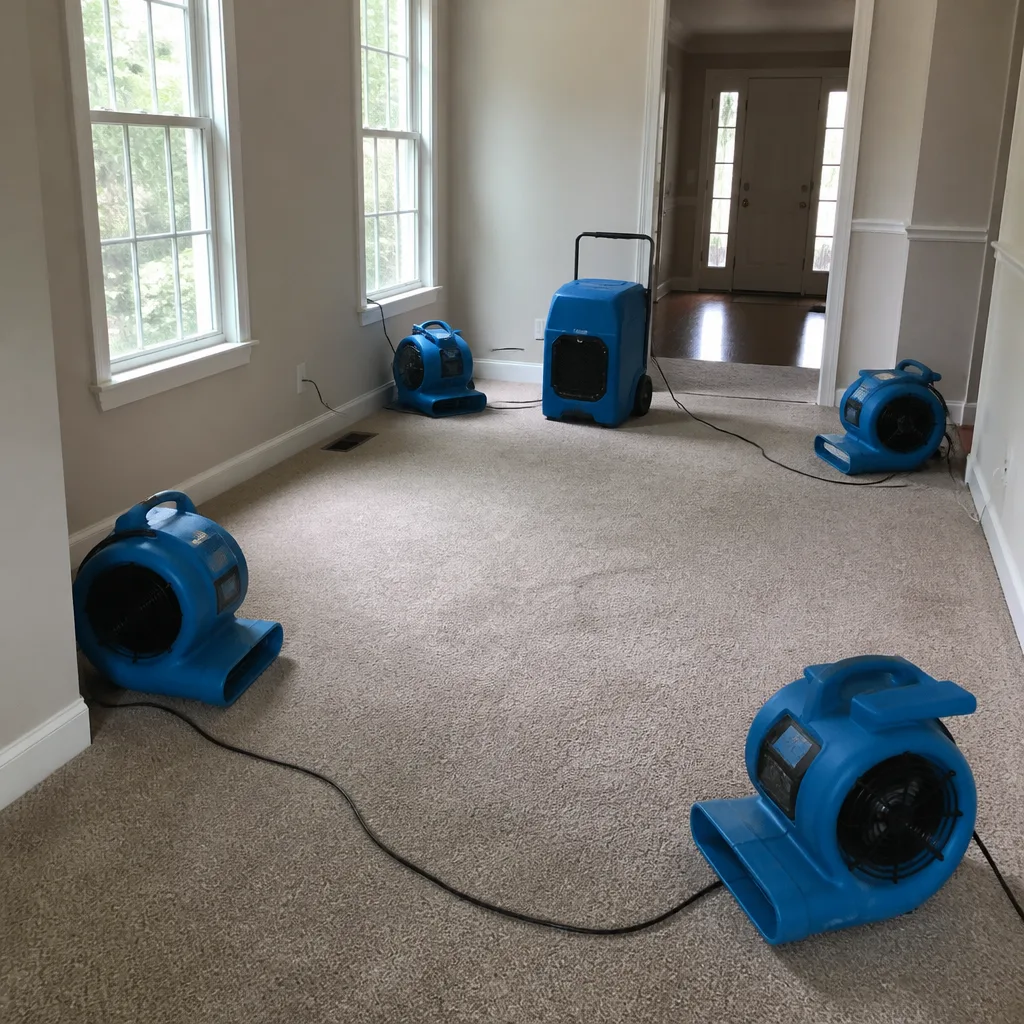 Water damage drying
 Fire & smoke cleanup
 Mold remediation
 Storm response
 Sewage cleanup
 Reconstruction
Free visual inspection and a written scope of work before any mitigation begins - photos, moisture readings, and drying logs go in your claim file
The scope we write is the scope we bill. Anything new gets shown to you, in writing, before we touch it.
Get your free estimateHow to Hire a Damage Restoration Contractor in Long Beach: A Step-by-Step Guide
California’s Contractors State License Board received more than 1,200 complaints about unlicensed disaster-repair contractors in the two months following the last major Southern California flooding event. Most victims said there was no time to check. This complete guide to damage restoration in Long Beach proves there is, and it takes four minutes. You’re about to learn a vetting script that works even at 2 a.m., when water is rising in your Long Beach living room and the first contractor picks up the phone.
Restoration work we handle
Quick Answer
Hire a damage restoration contractor in Long Beach by verifying their California license classification (C-33 for painting and decorating, C-20 for HVAC, or B-General for structural work), confirming the technician’s name and photo before they arrive, and demanding a written price and scope before any demolition starts. Skip anyone who pressures you to sign an Assignment of Benefits without reading it. The entire license check takes under four minutes and saves you from the most common restoration scams.
Table of Contents
- The 4-Minute License Check That Eliminates 80% of Bad Contractors
- Five Questions to Ask Before Anyone Crosses Your Threshold
- How to Read a Restoration Estimate Line by Line
- The Worker-Identification Standard Worth Demanding
- Assignment of Benefits: The Form That Can Cost You Your Claim
- Long Beach-Specific Risks: Storms, Salt, and Storm-Chasers
- Common Mistakes to Avoid
- When to Call a Professional
- Frequently Asked Questions
- The Bottom Line
The 4-Minute License Check That Eliminates 80% of Bad Contractors
Here is the thing most Long Beach homeowners learn too late: California requires different contractor license classifications for different types of restoration work, and an unlicensed crew is legally barred from doing most of it. The Contractors State License Board website is built for exactly this moment, and the lookup sequence is fast enough to do while standing in a flooded hallway.
The specific classifications that authorize restoration work in California are C-33 (painting and decorating, which includes most drywall and finish work after drying), C-20 (warm-air heating, ventilating, and air conditioning, which matters when HVAC ducts have been soaked), and B-General (the broad building classification that covers structural repairs, framing, and full reconstruction). A legitimate restoration company doing complete water damage repairs will typically hold a B-General license and may hold C-33 and C-20 as well. If a company only holds a C-33 and is offering to tear out soaked drywall and rebuild walls, that is a mismatch.
Here is the full sequence, which we have walked hundreds of homeowners through:
- Go to the CSLB website (cslb.ca.gov) and click “Check a License.”
- Search by company name or license number. If the company claims to be licensed but you cannot find them, hang up.
- Check the license classification. For water damage restoration in Long Beach that includes structural work, you want to see B-General. C-33 and C-20 are legitimate secondary classifications but do not cover structural repairs on their own.
- Check the license status. It must say “Active.” “Suspended” or “Expired” is a disqualifier. No second chances.
- Check the workers’ compensation insurance field. It must say “Yes.” If it says “No,” anyone injured on your property becomes your liability. In Long Beach, where slip-and-fall claims on wet floors are common, this matters more than you think.
- Check the bond status. It must say “Bonded” or “Insured.” An unbonded contractor leaves you with no recourse if they walk off the job.
This entire sequence takes under four minutes. The CSLB site works on a smartphone. We have seen homeowners do this from a water-damaged kitchen while a contractor waited on the phone. The contractors worth hiring will not rush you. The ones who object are the ones you should not hire.
One more Long Beach-specific note: after any major coastal storm, out-of-state crews roll in with hastily printed flyers and no California license. Animated, persuasive, and cheap. The CSLB specifically warns about this pattern in Los Angeles and Orange counties. Checking the license number takes four minutes. Recovering from an unlicensed contractor’s mistakes can take a year.
Five Questions to Ask Before Anyone Crosses Your Threshold
Talking to a restoration contractor under emergency pressure feels like a blur. Here is a script. Ask these five questions, in this order, before you let anyone into your Long Beach home. The answers that should disqualify a contractor are listed right alongside.
- “What is your California contractor license number?” A disqualifying answer is any hesitation, any “it’s in the truck,” any “we’re exempt.” They are not exempt. Licensed contractors know their number by heart. If they cannot produce one, end the call.
- “Who exactly will arrive at my door, and can you send me that person’s name and photo before they come?” This is the question that flushes out the most common problem in restoration: companies that send whoever is available, not a known, vetted technician. A disqualifying answer is “we’ll see who’s available” or “the crew will identify themselves when they arrive.” You have a right to know who is entering your home before they knock. The Marsh Water Damage Long Beach home is built around a standard where every technician is sent by name and photo before the visit, then shows a photo ID badge at the door. Every time, not just the first time.
- “Will you give me a written price before any work starts?” A disqualifying answer is “we’ll know more once we open the walls” or “just sign this authorization and we’ll work it out with your insurance.” Adjustments can happen after demolition, but the starting scope and price ceiling should be in writing before a single piece of drywall is cut. If there is anything the restoration industry in Long Beach has earned a bad reputation for, it is the estimate that balloons after demo begins. Demand a written price first.
- “What exactly does your guarantee cover, and for how long?” A disqualifying answer is “we don’t offer guarantees” or any vague “we back our work.” A real guarantee has a term, a covered scope, and a defined remedy. Ours is a 365-Day Done Right Promise: if the repair is not right within a full year, we make it right, and a second visit is free. If a contractor cannot state their guarantee in one clean sentence, they do not have one.
- “Are you IICRC-certified, and will the technicians on my job hold that credential?” The Institute of Inspection, Cleaning and Restoration Certification (IICRC) is the restoration industry’s recognized training body. A disqualifying answer is “we’ve been doing this for years, we don’t need certifications.” The technology behind Water Damage Restoration in Long Beach has changed dramatically since the days of wet-vacs and box fans. Credentials mean the technician understands psychrometric drying, the science of measuring and removing moisture from air and building materials, not just mopping and hoping.
Five questions. The entire script takes under three minutes. The contractors you want to hire will answer all five without a pause. The ones you do not want will stumble on at least two.
How to Read a Restoration Estimate Line by Line
A restoration estimate looks different from any other home improvement quote. Here is what legitimate line items look like, what padding looks like, and what should always appear in writing before work begins in Long Beach.
Legitimate line items you should expect to see on water and storm damage restoration estimates include:
- Water extraction: You will see a line for the number of extractors and the estimated hours or square footage. Most residential water extractions in Long Beach run between $1,200 and $2,800 before drying equipment is set, depending on the size of the affected area and the category of water.
- Drying equipment: A legitimate estimate lists specific equipment types and the number of days they will run. This includes air movers (high-velocity fans that drive moisture out of materials), dehumidifiers (machines that pull water vapor from the air), and injection drying systems for wall cavities and under cabinets. Equipment names matter. If you see “drying equipment” as a single line item with no detail, that is padding.
- Psychrometric monitoring: This is the line for daily moisture measurements that tell the technicians when the structure is genuinely dry, not just dry on the surface. Cheap estimates skip this. Skipping it means work stops when floors feel dry but are still wet underneath, and mold gets a head start.
- Antimicrobial application: This is a legitimate line item for the sanitizing treatment applied to affected surfaces after drying. It should specify coverage in square footage.
- Demolition and disposal: The removal of unsalvageable drywall, flooring, and insulation. This should be broken out by material type and square footage.
- Reconstruction: The rebuild. New drywall, paint, flooring, trim. This is where C-33 and B-General license classifications come into play.
Padding to watch for includes vague “miscellaneous” line items without descriptions, equipment charges that exceed the market rate by a wide margin, and daily monitoring fees that appear after drying has already been completed. The single most important rule is this: the scope, the equipment list, the price ceiling, and the guarantee terms must all be in writing before demolition begins. In our experience in Long Beach, the companies that resist this most loudly are the ones most likely to exceed it.
For Mold Remediation in Long Beach, the estimate structure is different: expect a containment plan (plastic sheeting and negative air pressure to keep mold spores from spreading), a remediation scope, and a clearance testing plan. The last one is non-negotiable. Any mold contractor who does not plan for third-party clearance testing after remediation is not finished, no matter what they say.
The Worker-Identification Standard Worth Demanding
Here is a truth most restoration companies will not tell you: the person who answers the phone is rarely the person who shows up at your door. In too many companies, the field crews are subcontractors, day labor, or whichever technician happened to be available. That is a problem for any homeowner, but it is a sharper problem for people who are often home alone, parents with young children, and older Long Beach residents who have been burned before by a stranger at the door.
There is a standard for this, and it is worth demanding by name. We call it the Threshold Verified standard, and it works like this: every technician is background-checked, identity-verified, uniformed, and photo-badged. Before any visit, the customer receives the name and photo of the exact person who will arrive. At the door, that person shows a photo ID badge that matches the name and face sent in advance. Every time.
The standard applies to every visit, not just first impressions. The technician who comes back for the second drying check is the same vetted, verified person. The crew who arrives for mold remediation has been through the same protocol. There is no point in the process where an unknown, unverified person shows up and asks to come inside.
Why does this matter in Long Beach specifically? Because the city’s older housing stock includes neighborhoods like Belmont Shore, Naples, and Bixby Knolls with single-family homes, and its coastal location draws storm-chasing crews from out of state after every major weather event. In the two months after a major Southern California flooding event, the CSLB documented over 1,200 complaints. Many of those homeowners never knew who was in their house. Ask any Long Beach restoration contractor whether they will send a named, photo-verified technician to your door. If they hesitate, you have your answer.
The equipment behind the technician matters too. Professional restoration companies use commercial drying equipment from manufacturers like Dri-Eaz and Phoenix, the same gear used in large commercial losses, applied to residential jobs. These are not the dehumidifiers you rent from a hardware store. They move more air, pull more water, and dry structures in days instead of weeks. Most residential water extraction jobs done right require this caliber of equipment. If a contractor shows up with a wet-vac and a box fan, they are not a restoration company. They are a janitorial service with a marketing budget.
Assignment of Benefits: The Form That Can Cost You Your Claim
There is one document in the restoration world that has caused more homeowner pain in California than any other: the Assignment of Benefits, or AOB. Understanding what it is, and what it does, is the difference between a smooth insurance claim and a legal nightmare.
An Assignment of Benefits is a legal form that transfers your insurance claim rights to the contractor. Sign it, and the contractor now has the authority to pursue your insurance company directly, negotiate the claim, and receive payment directly from the insurer. In some states, AOB abuse has become so widespread that insurers and state regulators have intervened. In California, AOBs are legal but heavily scrutinized, and signing one before reading it can legally transfer your insurance claim to the contractor in ways you did not intend.
Here is what to know before signing anything:
- Never sign an AOB under emergency pressure. A contractor who shoves an AOB in front of you while water is still pooling in your hallway is exploiting the moment. A legitimate restoration company in Long Beach can begin mitigation without an AOB. Insurance claims can be handled through the standard process, and you can coordinate with your adjuster yourself.
- Read the full terms. Understand what rights you are transferring, for how long, and what happens if you disagree with the contractor’s scope or price later. In many AOBs, you waive your right to dispute the contractor’s charges.
- Ask what happens if you do not sign. If the answer is “we will not start work,” that is a red flag. A company that conditions emergency mitigation on an AOB is not acting in your interest. Mitigation should begin because there is water where it should not be, not because you signed a claim transfer.
- Involve your insurer. Before signing any document that affects your insurance claim, call your adjuster. The insurance company can tell you whether the AOB is standard for your policy. Long Beach homeowners with flood and homeowners policies should understand how their coverage interacts with any assignment.
We tell every Long Beach homeowner the same thing: the AOB is a tool that can be legitimate in certain circumstances, but it is never something you should sign under pressure, on a tablet, while a technician stands in your living room. If a contractor will not explain every line of the form and answer every question, reconsider. The Storm Damage Restoration in Long Beach contractors you want are the ones who care more about doing the work than about transferring your claim rights.
Long Beach-Specific Risks: Storms, Salt, and Storm-Chasers
Long Beach has a set of restoration risks that differ meaningfully from inland cities. Understanding them changes how you evaluate a contractor, and our Seasonal Damage Restoration Care for Long Beach: Year-Round Homeowner’s Guide covers how to prepare for each season.
Storm-chasing crews are a real, documented problem here. After major coastal storms or heavy rain, out-of-state restoration crews arrive in Long Beach within days. They rent office space in industrial areas near the 710 and the Port of Long Beach, print flyers, and start knocking on doors in neighborhoods like Los Altos, El Dorado Park, and the Wrigley area. Many are legitimate. Many are not. The CSLB specifically tracks storm-chaser complaints after Southern California flooding events. The four-minute license lookup I described earlier is the single best defense.
Salt air accelerates corrosion and secondary damage. Long Beach’s marine layer and coastal moisture mean that building materials in water-damaged homes do not just dry slowly, they can corrode. Wire connections, metal studs, and fasteners exposed to salt air after water intrusion require closer inspection than the same materials would in Pasadena or Riverside. A good Long Beach restoration contractor knows this and documents it. A storm-chaser from Phoenix may not recognize the corrosion pattern until it is too late.
Older housing stock has its own quirks. Long Beach has thousands of homes built between the 1920s and 1970s. The construction materials in those homes respond to water differently than modern materials. Plaster walls, lath-and-plaster ceilings, and old-growth framing all absorb and release moisture differently than drywall and engineered lumber. A contractor with Long Beach experience understands the difference. One who just arrived from another state may apply inland techniques to coastal construction and get it wrong.
Long Beach building codes and permit requirements. Significant restoration work in Long Beach, particularly structural repairs, may require city permits. The City of Long Beach Development Services Department handles building permits, and the process for restoration work can involve plan review and inspections. A licensed contractor understands this. An unlicensed one will tell you permits are not necessary. They usually are. Ask any contractor whether your job will require a permit, and if they say no, ask why not. The answer should reference the specific scope of work, not a blanket dismissal of the permit process.
These are the things that separate a Long Beach restoration company from a national franchise that just happened to open a branch here. The local knowledge compounds. Salt air plus older housing stock plus coastal storm patterns plus city permit processes equals a restoration job that rewards experience. It is why we have been doing this in Long Beach since 2005 and why we still see details on every job that surprise crews from elsewhere.
Common Mistakes to Avoid
- Hiring the first contractor who picks up the phone. In the panic of a 2 a.m. water emergency, the first voice that says the right things feels like a lifeline. That is exactly when the four-minute license check matters most. Legitimate contractors will walk you through it. Storm-chasers will rush past it.
- Signing anything before reading it. Authorization forms, work orders, AOBs. The moment a contractor says “this is just standard paperwork, sign here,” slow down. The paperwork you sign during an emergency determines who gets paid, how much, and who controls your insurance claim.
- Accepting a verbal estimate. If the price is not written down before work starts, it does not exist. Restoration has a known reputation problem with verbal estimates that grow after demo begins. A written scope, written price ceiling, and written guarantee are not optional. They are the industry standard for companies worth hiring.
- Assuming insurance will cover everything. Long Beach homeowners discover too late that their policy has exclusions, deductibles, or sub-limits for water damage. Call your insurer early, even if it feels premature. The claim process works better when the insurer knows about the damage from the start.
- Ignoring the equipment list. A dehumidifier from a hardware store is not the same as commercial gear from Dri-Eaz or Phoenix. The equipment list on your estimate tells you whether the contractor plans to dry your home or just pretend to. Ask what equipment will be deployed and for how long.
- Not asking for a second opinion on mold. Mold remediation is the area where Long Beach homeowners get oversold most often. A contractor who wants $12,000 for a mold job that a second inspection suggests is a $3,000 cleaning is a known pattern in this trade. A second opinion costs a few hundred dollars and can save thousands.
- Skipping the final moisture check. When the floors feel dry and the dehumidifiers are pulled, the job is not necessarily done. Psychrometric readings, measuring the moisture in the air, tell you when the structure is genuinely dry, not just dry on the surface. A contractor who cannot show you final moisture readings has not verified the work.
When to Call a Professional
Some restoration situations are manageable as short-term DIY triage. Others are not. Call a professional immediately when water has penetrated walls, floors, or ceilings; when more than a few square feet of flooring is affected; when the water source is potentially contaminated, as with sewage backups or toilet overflows; or when mold is visible or suspected. Electrical systems near water are also a hard stop: any outlet, switch, or panel exposed to water requires a professional evaluation. Call when the damage covers multiple rooms, when there is any chance of structural saturation, or when the standing water has been present for more than 24 hours. Our Water Damage Restoration Maintenance Checklist for Long Beach Homeowners can help you spot warning signs early. Marsh Water Damage Long Beach offers free estimates in Long Beach, and a live person answers the phone 24 hours a day, including holidays. Call (562) 999-7643.
Frequently Asked Questions
Most restoration companies advertise timeframes, but a live-person answer on the first call is a stronger indicator. Marsh Water Damage Long Beach has a real person answer every call 24/7, including holidays, because water damage does not wait for business hours. Response time depends on the job volume at the time, but in Long Beach, a same-day assessment is typical for a water emergency during regular hours. Call (562) 999-7643 to speak with a person directly.
It depends on your policy’s cause-of-loss language. Sudden and accidental events like burst pipes are commonly covered; gradual leaks and neglect are commonly excluded. Flood damage from coastal or storm surge requires a separate flood policy. Call your insurer first, then coordinate with a restoration company that handles direct insurance billing and adjuster coordination.
That depends on the square footage of mold growth and whether the moisture source is still active. The industry standard is generally that small areas under about 10 square feet can be addressed with direct cleaning, while larger areas may require containment and professional remediation. A trustworthy contractor will give a written answer based on inspection, not fear. For Long Beach homes with the city’s characteristic humidity, mold can spread faster than inland; call (562) 999-7643 for an honest assessment.
Most residential water extractions in Long Beach run between $1,200 and $2,800 before drying equipment is set, depending on the affected square footage and the category of water. Drying equipment rental runs additional per day, and mold remediation varies widely based on the containment required. A full written estimate should be provided before work begins, with no charge for the estimate itself.
Visit cslb.ca.gov, click “Check a License,” and search by company name or license number. Verify the license classification is appropriate for the work, the status is “Active,” workers’ compensation is covered, and the bond is active. The entire check takes under four minutes. Any legitimate contractor will wait while you complete it.
Shut off the water source if possible, turn off electricity to affected areas if safe to do so, remove small items from the wet area, and call a restoration company and your insurance company. Do not use a shop vac on sewage. Do not wait until morning. The first 24 hours are the critical window for reducing permanent damage. Call (562) 999-7643 and a live person will answer.
If you have questions not covered here, call (562) 999-7643. A real person answers, day or night.
The Bottom Line
Hiring a damage restoration contractor in Long Beach does not require a construction background. For more guides & resources, visit our blog. It requires four minutes on the CSLB website, five pointed questions, a written estimate you can read line by line, and a refusal to sign anything under pressure. The stakes are high because restoration is one of the few purchases where normal consumer protections evaporate, and Long Beach’s coastal location attracts storm-chasing crews after every major weather event. The contractors worth hiring are the ones who welcome the license check, send a named and photo-verified technician to your door, and put a written price and a written guarantee in your hands before any work begins. Marsh Water Damage Long Beach has been serving Long Beach since 2005, and every job comes with a written price before work starts, a 365-Day Done Right Promise, and a named, background-checked technician at your door. Call (562) 999-7643 for a free estimate, any hour, any day.
Written by Tobias Reyner, Owner at Marsh Water Damage Long Beach, serving Long Beach since 2005.
See the difference
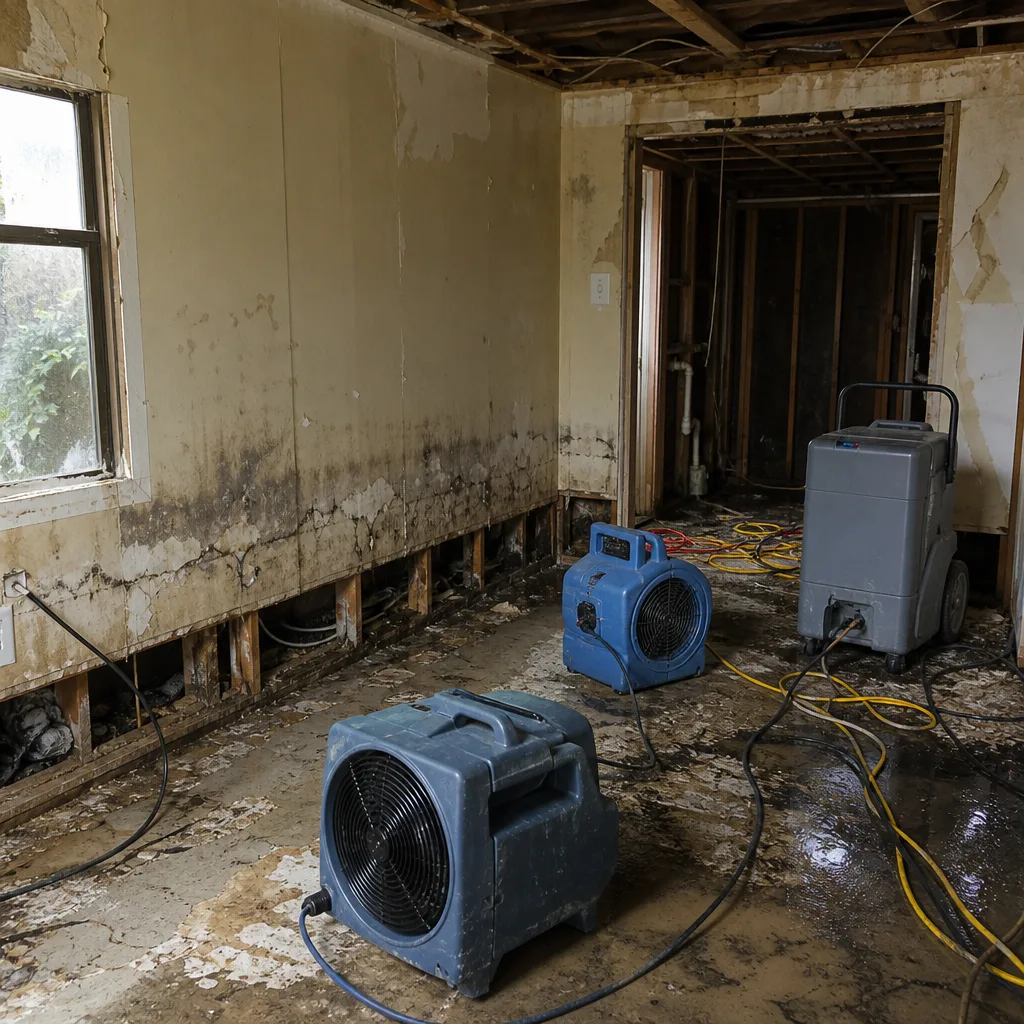 Before
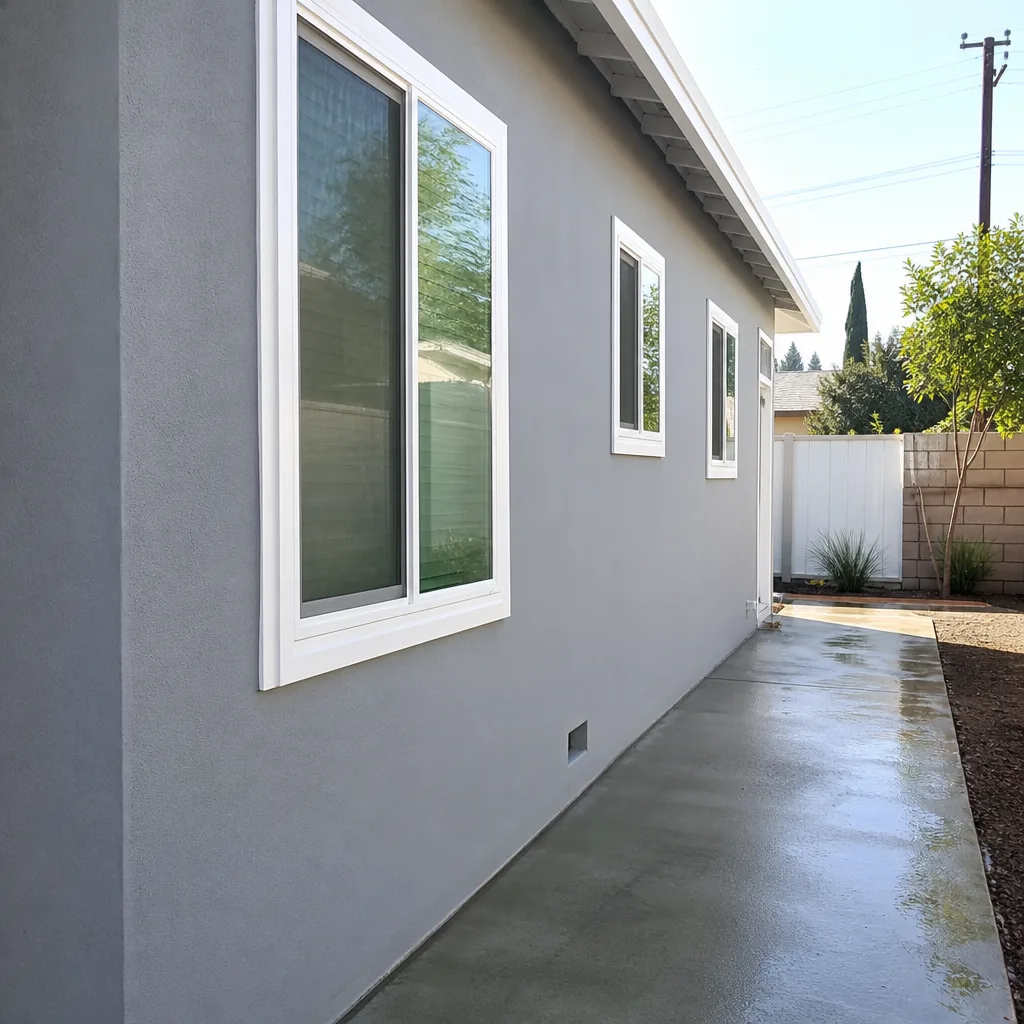 After
After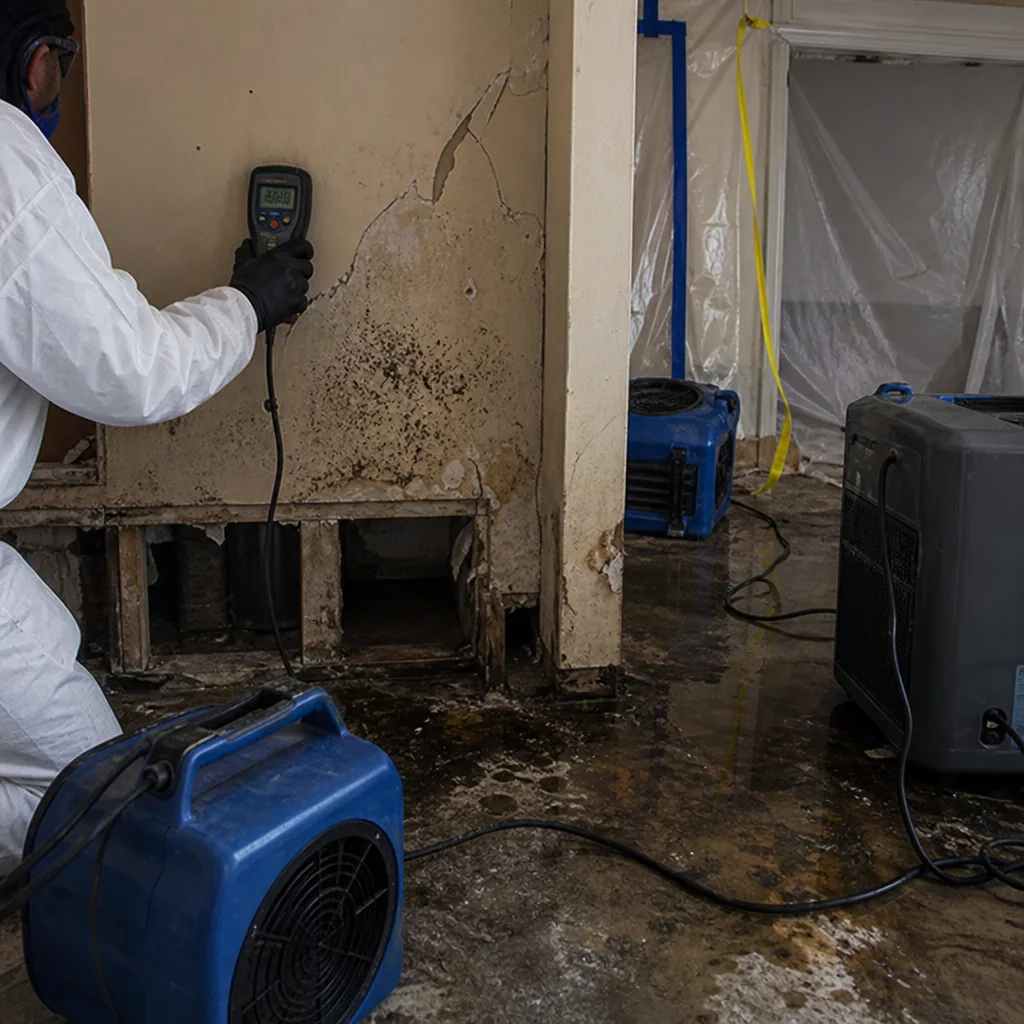 Before
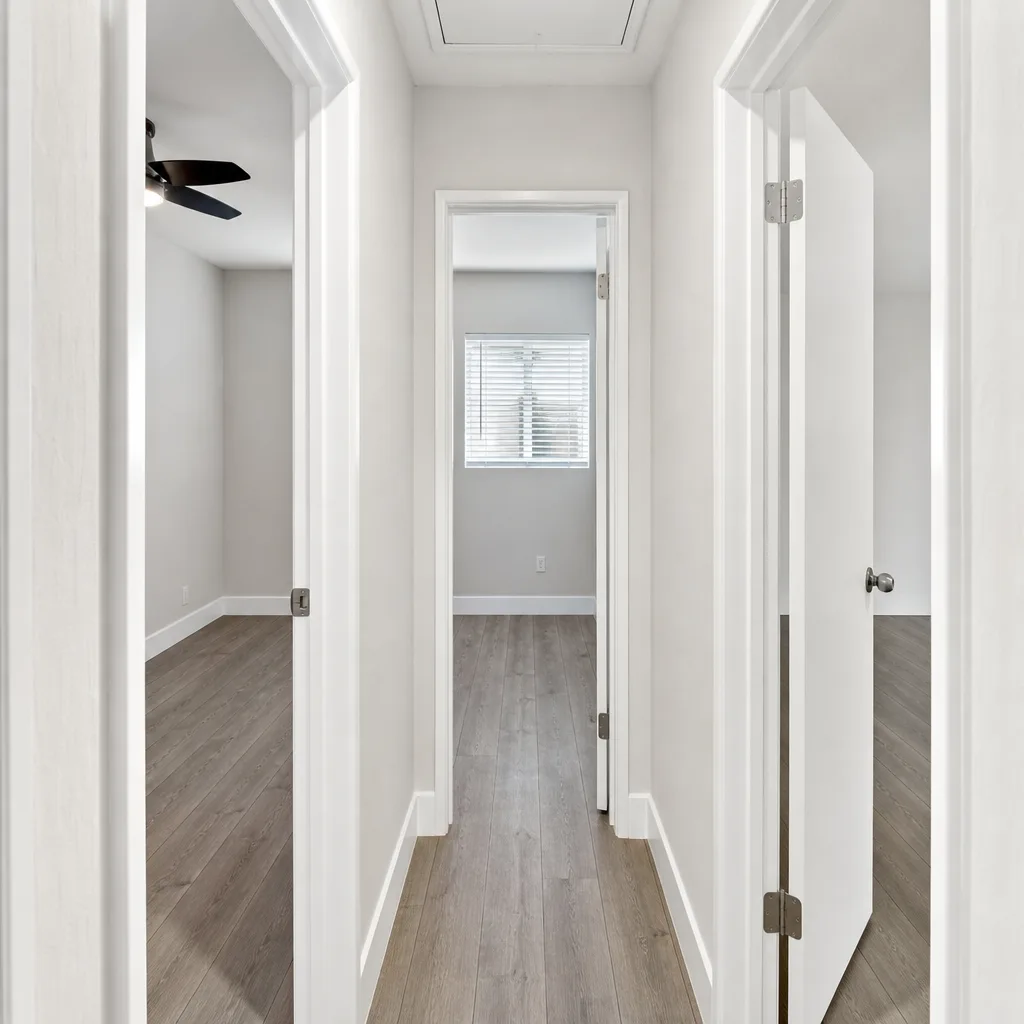 After
After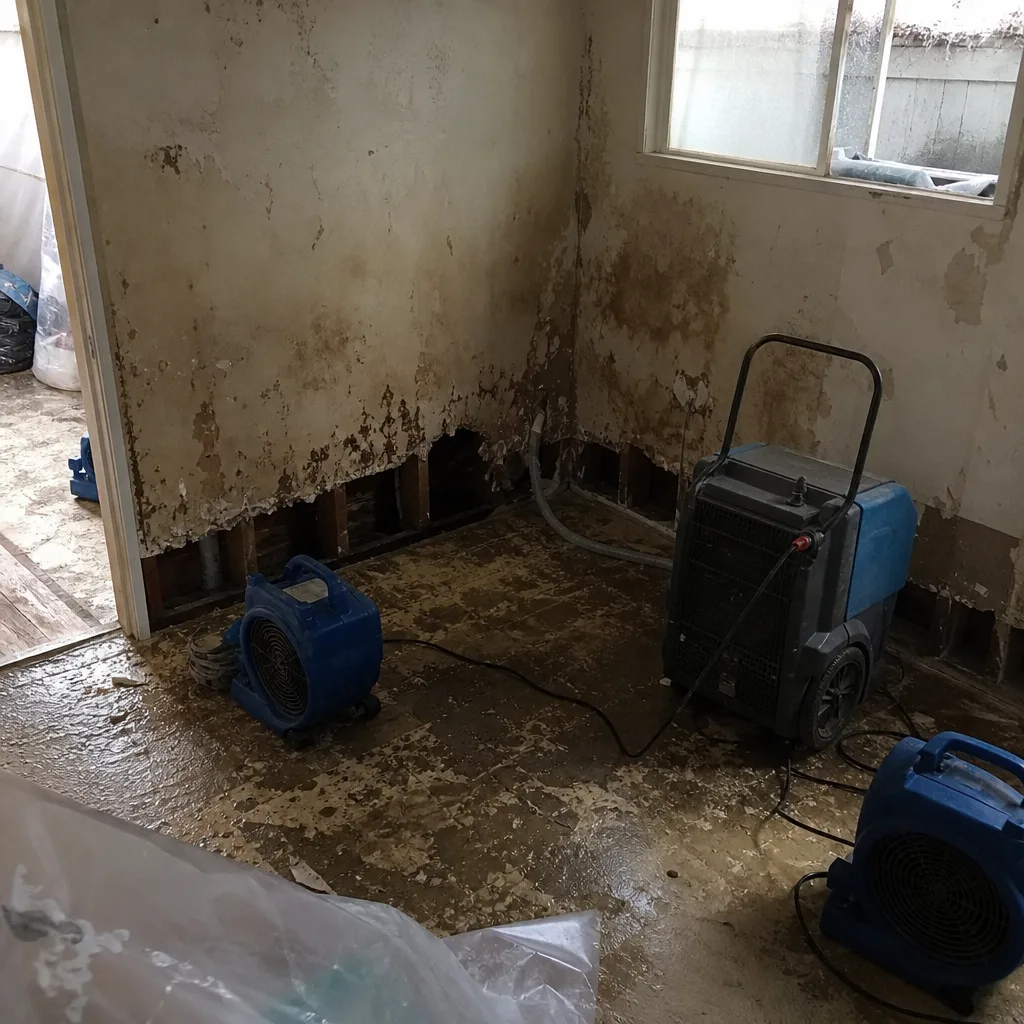 Before
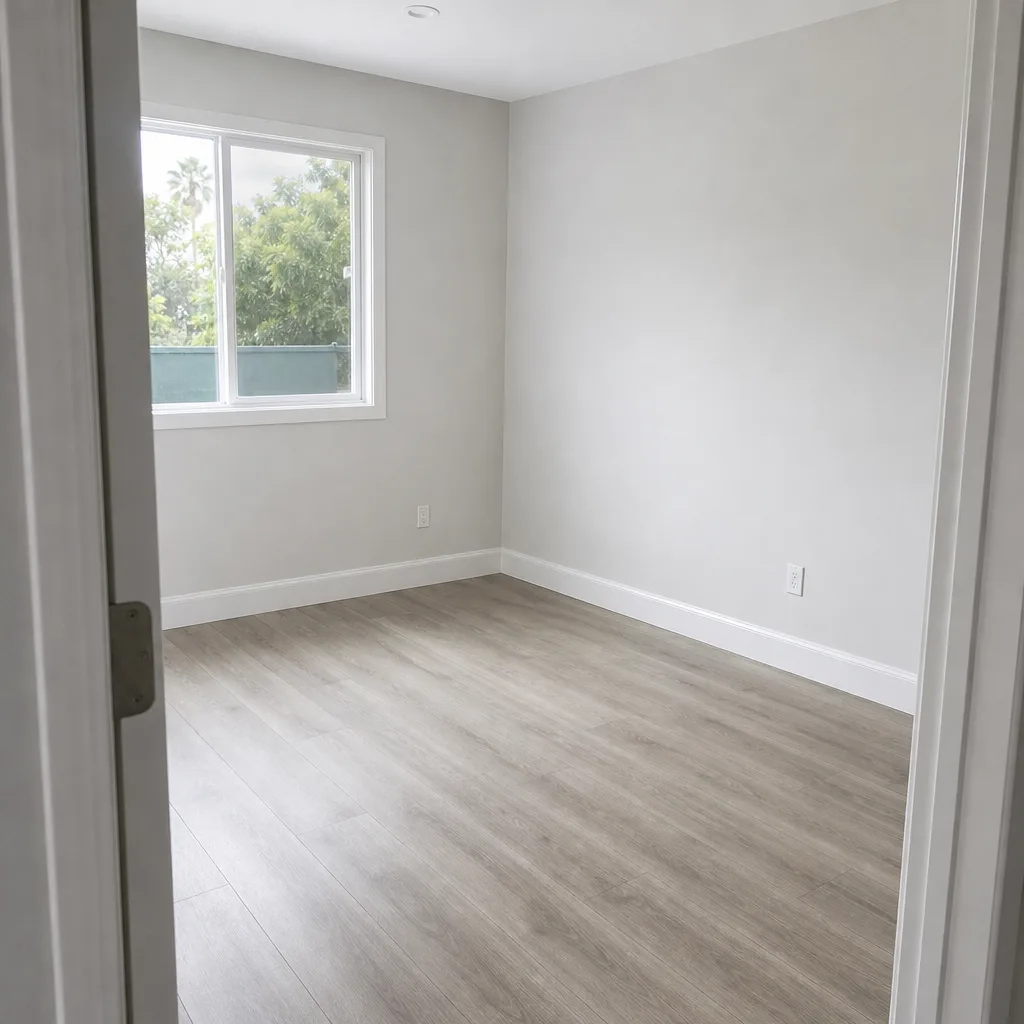 After
After