
Last updated October 16, 2026
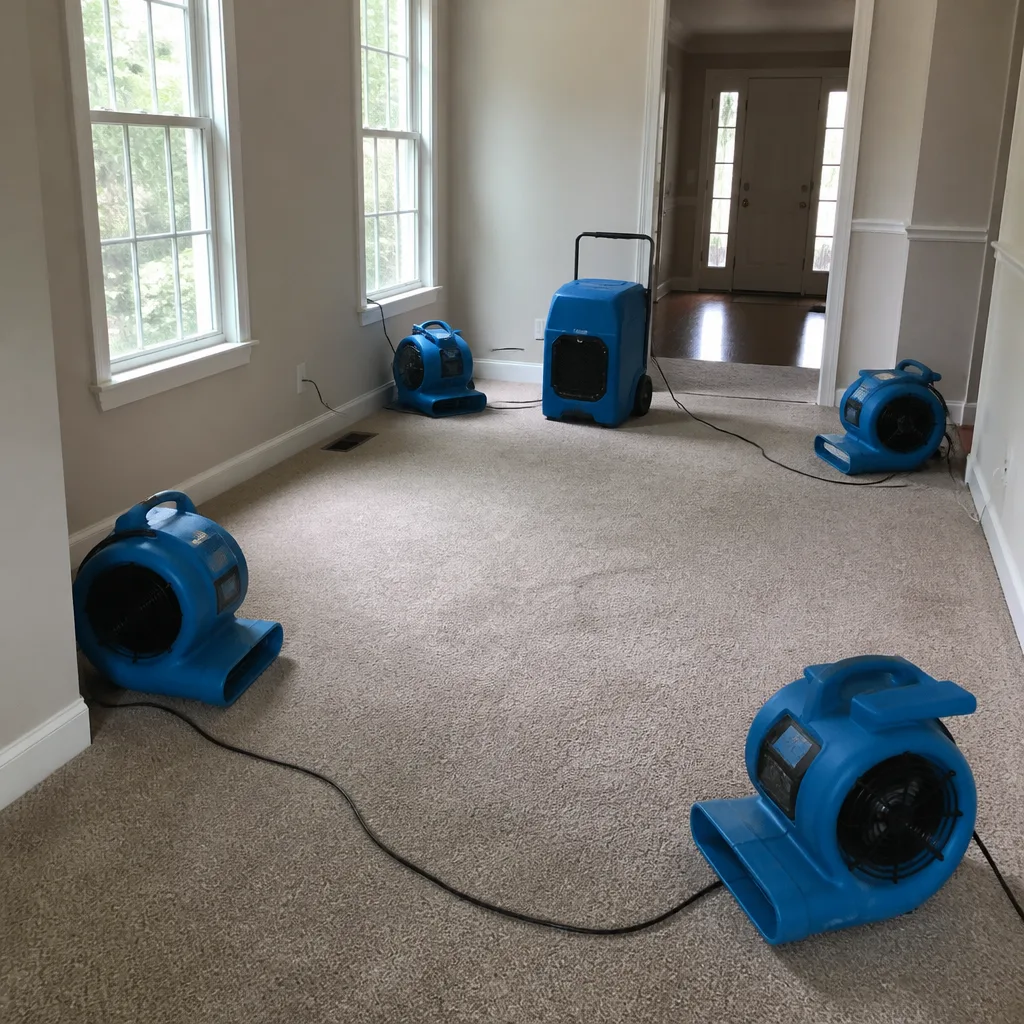 Water damage drying
 Fire & smoke cleanup
 Mold remediation
 Storm response
 Sewage cleanup
 Reconstruction
Free visual inspection and a written scope of work before any mitigation begins - photos, moisture readings, and drying logs go in your claim file
The scope we write is the scope we bill. Anything new gets shown to you, in writing, before we touch it.
Get your free estimateSeasonal Damage Restoration Care for Long Beach: Year-Round Homeowner’s Guide
In an average year, Long Beach receives 94% of its annual rainfall between November and April, yet the water damage calls that come in July and August are nearly as common. That’s because marine layer condensation and irrigation systems do quietly what rainstorms do loudly, and most homeowners never see it coming. This guide walks you through the actual damage calendar for Long Beach, month by month, so you know what to watch for, when to act, and what you can safely ignore. We’re going to explain why Santa Ana winds and June gloom matter as much to your walls as any winter storm, and what a realistic maintenance schedule looks like when you live three blocks from the Pacific.
Restoration work we handle
Quick Answer
Long Beach doesn’t have four seasons. It has a dry season, an atmospheric river window, a marine layer season, and a Santa Ana period, and each creates a different type of water damage risk. The smart approach is a month-by-month calendar: inspect irrigation and drainage in September, prepare for storm surge and saturated soil from December through February, monitor interior humidity and condensation from June through August, and treat Santa Ana wind events as a two-phase risk that dries materials out now and makes them crack-prone when the first rain arrives. Most residential water extractions in Long Beach run between $1,200 and $3,800 before drying equipment is set, and catching problems in the first 48 hours cuts total restoration cost by roughly half-see our Damage Restoration Cost Breakdown: The Long Beach Homeowner’s Reference for 2026 for a fuller picture.
Table of Contents
- The Real Climate Calendar of Long Beach
- January Through March: Atmospheric River Season in Long Beach
- April Through June: The Marine Layer’s Slow, Quiet Damage
- July Through September: Irrigation, Condensation, and the Santa Ana Precursor
- October Through December: Santa Ana Winds and First-Rain Vulnerability
- The Three Months That Pay Back the Most Inspection Time
- Clay Soil, Foundations, and the September Adjustment Long Beach Homeowners Skip
- Why the Marine Layer Reactivates Mold in Dried Walls
- Common Mistakes to Avoid
- When to Call a Professional
- Frequently Asked Questions
- The Bottom Line
The Real Climate Calendar of Long Beach
Anyone who has lived in Long Beach for more than a couple of years knows that “seasons” is the wrong word for what we experience. A generic spring/fall maintenance calendar, the kind published by national home improvement sites, tells you to clean gutters in October and check your roof in April. That advice is not wrong. It’s just incomplete, and what it misses is where the actual damage happens here.
Our climate breaks into four distinct periods. From November through April, we get the atmospheric river events: warm, moisture-heavy systems that drop more rain in 48 hours than we see in the preceding six months combined. From May through August, the marine layer sits over the coastal neighborhoods, and while it rarely produces actual rain, it keeps relative humidity above 70% for weeks at a time. September and October bring the Santa Anas, those hot, dry offshore winds that pull moisture out of everything, including wood framing, stucco, and the caulking around windows. And throughout the year, the city’s irrigation systems, pool splash zones, and clay-heavy soil keep working against you even on the sunniest days.
We’ve responded to water damage calls on every block from Belmont Shore to Bixby Knolls, and the pattern is consistent: homeowners wait for rain, but the damage doesn’t. A pinhole leak in a supply line under a Naples Island kitchen will flood a subfloor in August just as thoroughly as a storm surge in January. The calendar below is built from what we actually see, not from what a generic seasonal checklist assumes.
If you’re dealing with active water intrusion right now, start with our Water Damage Restoration in Long Beach page, then come back here for the prevention calendar.
January Through March: Atmospheric River Season in Long Beach
This is the period when Long Beach gets 94% of its annual rainfall, and the dominant damage type is storm water intrusion. But the way it enters a home here is different from what you’d see in, say, the Pacific Northwest. Long Beach homes, especially older ones in neighborhoods like Rose Park, Alamitos Beach, and the Craftsman-heavy districts around Retro Row, were built for a drier climate than the atmospheric river events now deliver. Roof overhangs are shorter, drainage systems are smaller, and foundations sit closer to grade.
What actually fails during heavy rain in Long Beach
- Flat and low-slope roofs on mid-century homes in Los Altos and Park Estates. When 3 inches of rain falls in 24 hours, these roofs hold water longer than they were designed to, and the seams eventually let go.
- Perimeter drainage around raised foundations. Clay-heavy soil absorbs water slowly, so rain pools against the foundation. Once the water level reaches floor joists, it wicks upward into subfloor and wall framing.
- Window flashing and door thresholds, especially on ocean-facing sides of homes in Belmont Shore and Peninsula. Wind-driven rain finds every gap that gravity-fed rain misses.
- French drains and area drains clogged with eucalyptus leaves. Long Beach has thousands of mature eucalyptus trees, and their leaves are small enough to slip through most drain grates but fibrous enough to bind into clogs.
What to do each January through March
- Walk the perimeter of your home during a heavy rain. This is the single most valuable hour you’ll spend all year. Look for water pooling within 3 feet of the foundation, and note where downspouts discharge. If water pools against the foundation for more than a few hours after rain stops, that’s a problem to fix before next winter.
- Check attic access for water stains after each major storm. A small stain today is a $400 patch job. A roof that fully fails in the next storm is a $6,000+ remediation project plus tear-off.
- Test your sump pump and French drain before the peak of the storm cycle. Pour a 5-gallon bucket of water into the drain or sump pit and watch how fast it clears. If you don’t know where your sump pump is or whether you have one, that’s an answer worth getting from a local inspection, not a national blog.
In our experience responding to storm damage calls across Long Beach, the homes that avoid the worst outcomes are not the ones with perfect roofs. They’re the ones where someone noticed water pooling early and routed it away before the ground became fully saturated. If you’re already seeing water inside, skip the prevention talk and call us for Storm Damage Restoration in Long Beach.
April Through June: The Marine Layer’s Slow, Quiet Damage
By late April, the rain has mostly stopped, but the marine layer moves in and stays. For coastal Long Beach neighborhoods like Belmont Heights, Alamitos Beach, and anywhere within a mile of the water, June is the cloudiest month of the year. Interior relative humidity in homes without active ventilation routinely climbs past 65%, and once it stays there for weeks, building materials start absorbing moisture.
What most homeowners don’t realize is that this is a mold activation window, not just a comfort issue. If your home had water damage at any point in the past and the drying was incomplete, or if a small leak was overlooked, the elevated humidity that arrives with the marine layer can be enough to wake up dormant mold spores. We’ve opened walls in Long Beach homes during June and found active mold growth in cavities that looked dry on the outside. The drywall felt dry. The baseboards were not swollen. But the moisture content inside the wall cavity, measured with a moisture meter, was 22% or higher, which is well into the range where mold grows.
This is why Mold Remediation in Long Beach calls spike in May and June, even though no rain has fallen in months. The marine layer supplies the missing ingredient.
What to monitor from April through June
- Interior relative humidity. A $15 hygrometer from a hardware store tells you more than a $300 consult. If indoor humidity stays above 60% for more than a week, run a dehumidifier. If it stays above 65% despite a dehumidifier, investigate.
- Window condensation on the inside of glass. This is not normal in Long Beach’s mild climate. It means interior humidity is high enough to condense on a surface only slightly cooler than the room.
- Musty odor in closets and wall cavities. The marine layer carries a distinct salty-air smell outdoors, but an interior musty odor is different. It’s microbial activity, and it’s worth investigating before it spreads.
- Bathroom and laundry exhaust fans. Make sure they actually vent to the exterior, not into an attic or crawl space. Homes built before the mid-1990s in Long Beach sometimes have bath fans that discharge into the attic, which is a slow-motion humidity problem.
July Through September: Irrigation, Condensation, and the Santa Ana Precursor
This is the driest period of the year in Long Beach, and yet it’s when we get a surprising number of water damage calls. The cause is almost never rain. It’s the systems homeowners themselves control: irrigation, plumbing, and air conditioning condensate lines.
Long Beach summers are warm but not extreme, with average highs in the low 80s. That’s warm enough to run air conditioning, and every AC system produces gallons of condensate water. The condensate drain line runs from the indoor air handler to the exterior, and if that line clogs, often with algae and dust built up over the previous months, the water backs up and overflows into the drain pan. From there it finds its way into the ceiling, the wall, or the floor.
Irrigation is the other quiet offender. Long Beach’s clay-heavy soil absorbs water slowly, and sprinkler systems are often programmed to run longer than the soil can accept. The excess water pools against foundations, seeps into crawl spaces, and in some cases infiltrates through stucco weep screeds. We’ve seen crawl spaces under homes in Bixby Knolls and Los Altos with standing water in July, three months after the last rain, because irrigation water was being pushed uphill toward the foundation every morning at 6 a.m.
July through September checklist for Long Beach homeowners
- Locate and flush your AC condensate drain line. If you don’t know where it is, look for a small PVC pipe near the air handler or on the exterior wall near the condenser. Pour a cup of white vinegar down it once a month during summer.
- Inspect your irrigation system. Run each zone and look for overspray onto the house, water running off the lawn onto hardscape, and sprinkler heads that have shifted and are spraying a wall or a foundation vent. Adjust the schedule so water soaks in, not runs off.
- Check crawl space moisture levels. If you have a raised foundation (common throughout Long Beach), go under the house in August and look at the soil. If it’s visibly damp or there’s standing water, your irrigation or a plumbing leak is the cause, and it needs to be corrected before the rains return.
- Inspect supply lines and appliance hoses. Washing machine hoses, water heater supply lines, and under-sink connections can fail at any time of year. July is a good time to replace aging rubber hoses with braided stainless steel.
October Through December: Santa Ana Winds and First-Rain Vulnerability
Santa Ana winds are the most misunderstood weather pattern in Southern California when it comes to water damage. Most people think of Santa Anas as a fire risk, which they are. But for homeowners in Long Beach, they create a two-phase water damage problem that almost no one connects until it’s too late.
The first phase happens during the wind event itself. Santa Ana winds are hot and extraordinarily dry, with relative humidity often dropping below 10%. Over the course of a multi-day event, these winds pull moisture out of everything: wood framing, stucco, window glazing, caulking, roof sealants, expansion joint materials. Wood framing that was at a healthy 8-10% moisture content can drop to 4% or less. The materials shrink. Caulk cracks. Paint films split. Roof flashings separate at the seams. None of this is visible during the wind event, and most homeowners see no damage at all.
The second phase happens 3 to 6 weeks later when the first real rain arrives. All those shrunken, cracked, separated materials that were fine during the dry period now have gaps. Water finds those gaps. The first atmospheric river of the season, typically in November or December, pushes water through cracks that did not exist the previous spring. That’s why we see a spike in leak calls after the first major rain every single year in Long Beach, even in homes that had no issues the previous winter.
How to prepare for this two-phase risk
- After a significant Santa Ana event, inspect all exterior caulking and sealants. Walk the perimeter and look at the joints around windows, doors, vents, and penetrations. If the caulk looks shrunken, cracked, or separated from the surface, re-caulk before the rain arrives.
- Check roof flashing and vent boots. Santa Anas stress these materials differently than rain does. A roof that was watertight in April may not be watertight in November without a single rainstorm in between.
- Clean gutters and downspouts after the first leaf drop, not before it. In Long Beach, the deciduous trees (crepe myrtles, sycamores, liquidambars) drop leaves right around the same time as the first Santa Anas. Clean gutters before the leaves fall, and you’ll be cleaning them again in a month.
- Inspect sprinkler heads one last time. As soil dries out during Santa Anas, it contracts and can shift sprinkler heads, changing their spray pattern. A head that now sprays a wall will cause damage once the rain season starts and the soil is already saturated.
The short version: after a Santa Ana event, your home is more vulnerable to water damage than it was before the winds, even though everything feels dry. The time to address it is before the first storm, not after water is already coming through the ceiling. That’s the core of what we cover on our Marsh Water Damage Long Beach home page.
The Three Months That Pay Back the Most Inspection Time
If we had to pick three months of the year where proactive inspection returns the highest value for a Long Beach homeowner, they would be September, November, and April. Each one sits just before a seasonal transition, and each one catches a specific damage type while it’s still small and inexpensive to fix.
September: The irrigation and drainage reset
September is the month to fix everything related to water movement around your property, before the rain season begins. The soil is at its driest, which makes it the easiest time to observe drainage patterns and identify irrigation problems. Walk the perimeter of your home and look for water staining on the foundation, efflorescence (white mineral deposits on stucco or masonry), and soil that has been eroded away from the foundation line. These are signs that water has been moving where it shouldn’t. Fix the irrigation schedule, adjust sprinkler heads, add soil where erosion has created channels, and make sure downspout extensions discharge at least 4 feet from the foundation. Our Water Damage Restoration Maintenance Checklist for Long Beach Homeowners covers each step in detail.
November: The pre-storm envelope check
November sits after the first Santa Anas and before the heaviest atmospheric river systems. This is the month to inspect the entire exterior envelope, meaning the roof, flashing, caulking, and window seals. Pay particular attention to the areas that faced the strongest Santa Ana winds. The goal here is simple: catch the small gaps before a storm pushes water through them. A tube of caulking costs $8. A water damage restoration project that follows a missed gap in a stucco wall runs into the thousands.
April: The post-rain and pre-marine-layer check
By April, Long Beach has accumulated four to five months of rain, and the marine layer is beginning its seasonal return. This is the month to verify that the winter did not leave behind hidden moisture. Check for water stains in attics and crawl spaces, and use a moisture meter on any wall area that was near a known leak. This is also the time to start running dehumidifiers if interior humidity begins climbing, before the marine layer establishes its full June pattern.
Clay Soil, Foundations, and the September Adjustment Long Beach Homeowners Skip
Long Beach sits on some of the most expansive clay soil in Los Angeles County. The city is built on ancient floodplain deposits from the Los Angeles and San Gabriel rivers, and the soil in many neighborhoods, particularly east of the 710 and around the Los Altos and Bixby Knolls areas, is heavy in clay content. Clay soil behaves differently from sandy soil in one critical way: it absorbs water very slowly and swells as it does. When clay soil around a foundation gets wet, it expands and presses against the foundation. When it dries, it contracts and pulls away. Over years of wet-dry cycles, this movement opens cracks in foundations, sidewalks, and the junction between foundation and stucco.
What this means for Long Beach homeowners is that water pooling near the foundation is never just a drainage nuisance. It’s a structural stressor. The September adjustment we recommend, one that most homeowners skip, is to inspect the grade of the soil around the foundation and correct any areas where the ground slopes toward the house. Over time, soil settles, and a slope that once carried water away can reverse. A 1-inch slope over 3 feet of horizontal distance is enough to move water away from the foundation. If your yard has less than that, or if the soil is actually angled toward the house, regrading is the single best pre-rain-season improvement you can make in Long Beach.
This is also why foundation drainage issues compound over time. A minor crack in a foundation wall that lets moisture in will get worse as the clay soil around it expands and contracts each year. We’ve seen homes in Long Beach that developed a small leak in a crawl space and ignored it for two or three years, and during that time, the expanding clay pushed on the foundation enough to widen the crack significantly. What started as a minor moisture issue became a structural repair. The September grade check is the cheapest structural insurance a Long Beach homeowner can buy.
Why the Marine Layer Reactivates Mold in Dried Walls
Here’s a scenario we see regularly in Long Beach, and it frustrates homeowners because everything was supposedly handled correctly. A home suffers water damage in December. A restoration company dries the structure. The walls test dry. The homeowner gets a clearance report. Everything is fine. Then, the following June, a musty odor returns, and a mold test shows elevated spore counts in a wall that was “fully dried.” The homeowner, understandably, assumes the restoration company did a bad job.
Sometimes that’s true. But more often, the original drying was adequate, and the problem is something else entirely: the marine layer’s effect on latent mold spores. Here’s the plain-English explanation. Mold spores are everywhere in the air, including inside your walls. When a wall cavity gets wet, mold grows. When the wall cavity is dried properly, using professional equipment like Dri-Eaz or Phoenix dehumidifiers and high-volume air movers, the active mold growth stops because there’s no longer enough moisture for it to continue. But the spores don’t disappear. They go dormant. They can remain dormant for years, waiting for moisture to return.
The marine layer, in a home with poor ventilation, raises the moisture content inside wall cavities enough to reactivate those dormant spores. The wall never gets visibly wet. There’s no leak. But the relative humidity inside the cavity climbs above the threshold where mold can grow, and the spores that have been sitting dormant for months start growing again. That’s why we tell Long Beach homeowners, especially those in coastal neighborhoods like Belmont Shore and Naples, that mold prevention after remediation is not a one-time event. It’s an ongoing ventilation and humidity management process, and it has as much to do with June gloom as it does with December storms.
The practical takeaway: if your home has had water damage and been dried, run a dehumidifier during May and June. Keep the indoor air moving. If you have a crawl space, check the moisture levels in June, not just after rain. And if you smell something musty returning, address it before the marine layer gets its grip.
Common Mistakes to Avoid
- Following a national seasonal maintenance calendar. A checklist written for Minnesota or New Jersey does not account for Santa Ana winds, the marine layer, or clay soil. In Long Beach, the wrong calendar means you’re inspecting for the wrong things at the wrong times.
- Assuming no rain means no water damage. Some of the most expensive restoration projects we handle in Long Beach happen in August, from irrigation lines, AC condensate leaks, and water heater failures. Summer dryness does not protect your home from the water systems inside it.
- Ignoring small window condensation. In Long Beach, interior window condensation is not a cosmetic issue. It signals that interior humidity is high enough to cause problems inside walls, and during marine layer season, that signal should be taken seriously.
- Waiting to fix drainage until you see standing water. By the time water is visibly pooling against a foundation in Long Beach’s clay soil, it has already been saturating the area around the foundation for months. The damage is underway. Fix drainage based on the grade and the downspout discharge points, not on visible puddles.
- Assuming a dried wall is permanently safe from mold. Dormant spores can reactivate with the marine layer’s humidity. A dehumidifier and good ventilation are ongoing requirements, not one-time fixes.
- Neglecting the post-Santa-Ana inspection. The cracks that let water into your home during the first winter storm probably formed during a Santa Ana event weeks earlier. That’s when they were small and cheap to fix.
When to Call a Professional
Some water issues are maintenance problems you can handle with a caulking gun and a $15 hygrometer. Others are restoration problems that require professional equipment and trained technicians. Call a professional when water has penetrated into wall cavities, flooring, or ceiling spaces, because these materials hold moisture in places you cannot see, and incomplete drying leads to mold growth that becomes a much bigger project. Call when you see water staining that is spreading, when a musty odor has developed in an area that was previously dry, or when a leak is coming from a source you cannot identify. Call when your electrical panel or any wiring has been exposed to water, and do not touch anything until an electrician has confirmed it’s safe. Marsh Water Damage Long Beach offers free estimates in Long Beach, and our team uses professional-grade equipment from Dri-Eaz, Phoenix, XPOWER. For more guides & resources, visit our blog. and B-Air to dry structures thoroughly. Call (562) 999-7643 if you’re not sure whether what you’re seeing is a maintenance item or a restoration project.
Frequently Asked Questions
Most residential water extractions in Long Beach run between $1,200 and $3,800 before drying equipment is set, with the final total depending on the size of the affected area, the category of water (clean, gray, or black), and whether mold is present. A structural drying project typically adds $1,500 to $4,000. Call (562) 999-7643 for an exact quote, estimates are free.
Most standard homeowners policies cover sudden and accidental water damage, such as a burst pipe or storm damage, but they exclude gradual damage like slow leaks, seepage, or flooding from rising water, which requires separate flood insurance. We work directly with adjusters and provide photo documentation for every step of the process. If you’re not sure whether your situation is covered, call us before you call your insurer and we’ll help you understand what you’re dealing with.
We have crews positioned throughout the Long Beach area, and a live person answers our phone 24 hours a day, 7 days a week, including holidays. In most cases, we can have a technician on site within a few hours of your call, which matters because water damage compounds every hour it’s left unaddressed.
That depends on where the water went and how long it’s been there. Surface water on concrete or tile can often be handled with a wet vac and fans. Water that has penetrated drywall, hardwood, or subfloor requires professional drying because the visible surface dries while the interior stays wet, and that hidden moisture is where mold grows. Our technicians use moisture meters and infrared cameras to see what’s actually wet before we recommend a scope of work.
You do, but we help. We document everything with photos, take moisture readings, and provide a written scope of work that your adjuster can review. We’ve been doing this in Long Beach since 2005 and know what insurance carriers need to see to process a claim efficiently. We don’t bill your insurance directly, but we make the paperwork as straightforward as possible for you.
The biggest mistake is waiting to see if the damage gets worse. In Long Beach’s clay soil, water that enters a crawl space or a wall cavity stays there for weeks, and during that time, it’s seeping into structural framing and feeding mold growth. The cost difference between a same-week response and a two-week response is often two to three times the total project cost. Call (562) 999-7643 as soon as you see water where it shouldn’t be.
The Bottom Line
Long Beach homeowners face a unique set of water damage risks that national maintenance guides simply don’t address, as we explain in The Complete Guide to Damage Restoration in Long Beach. The marine layer raises interior humidity enough to reactivate dormant mold. Santa Ana winds dry materials to the point of cracking, then the first rain exploits every new gap. Clay soil presses against foundations and turns minor moisture issues into structural ones over time. And irrigation systems do quietly what rainstorms do loudly, all summer long. The solution is not more maintenance, it’s the right maintenance at the right time: September for drainage and grade, November for the exterior envelope, and April for post-rain moisture checks. Stay ahead of the calendar Long Beach actually has, and you’ll avoid most of the damage it can deliver.
Written by Tobias Reyner, Owner at Marsh Water Damage Long Beach, serving Long Beach since 2005.
See the difference
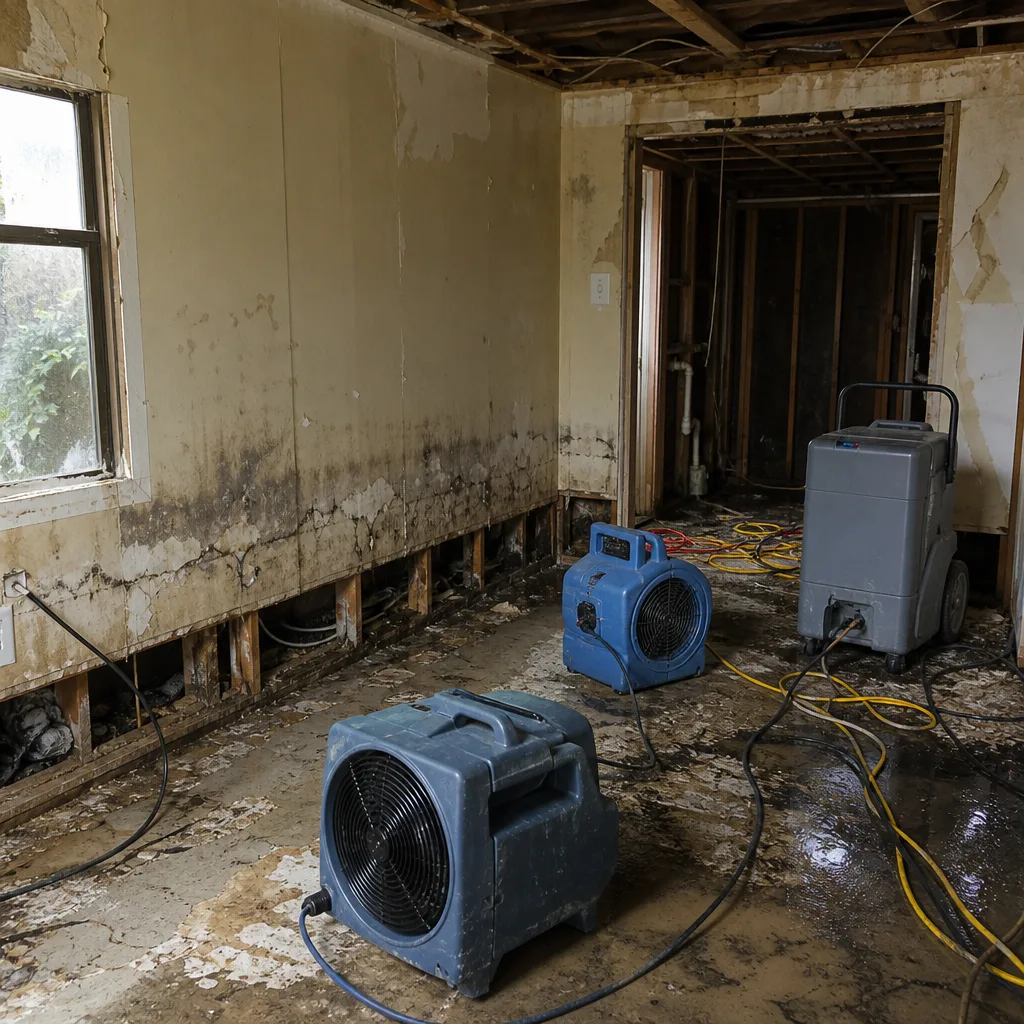 Before
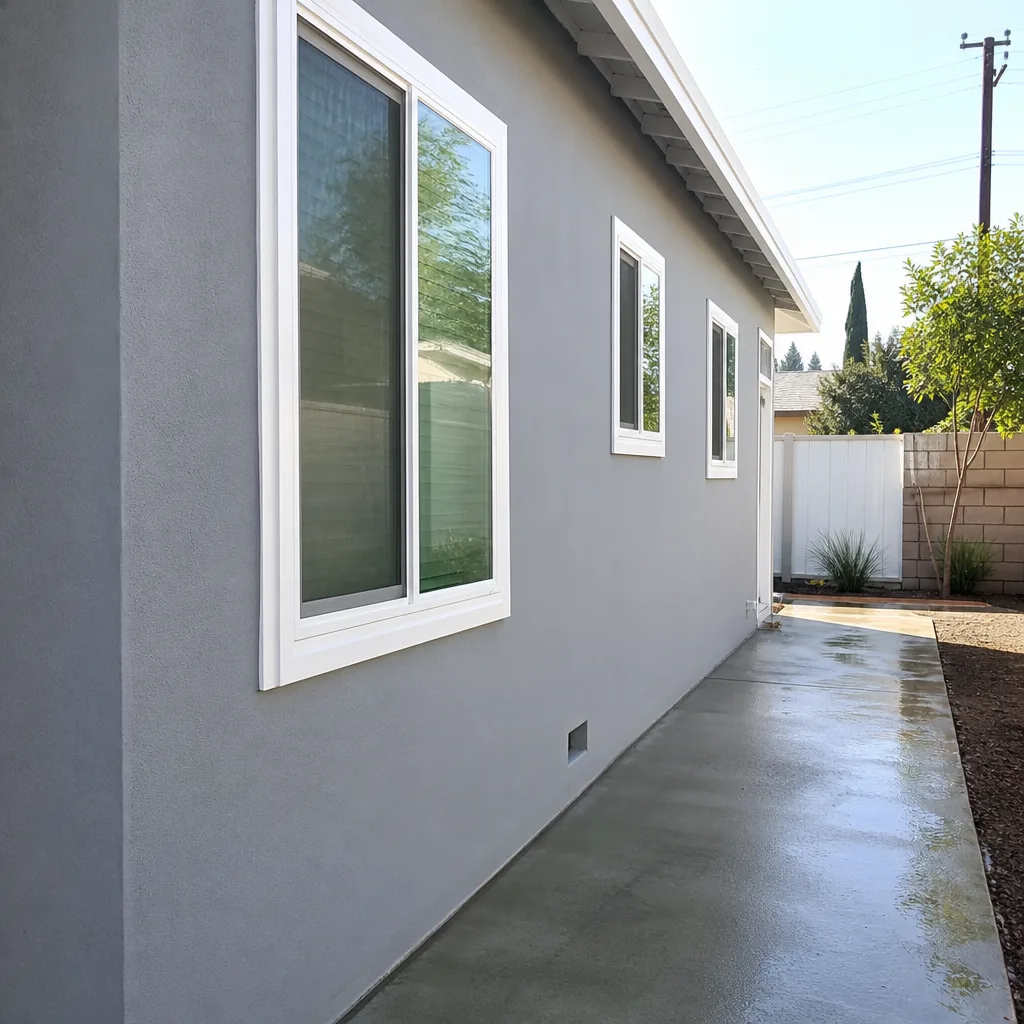 After
After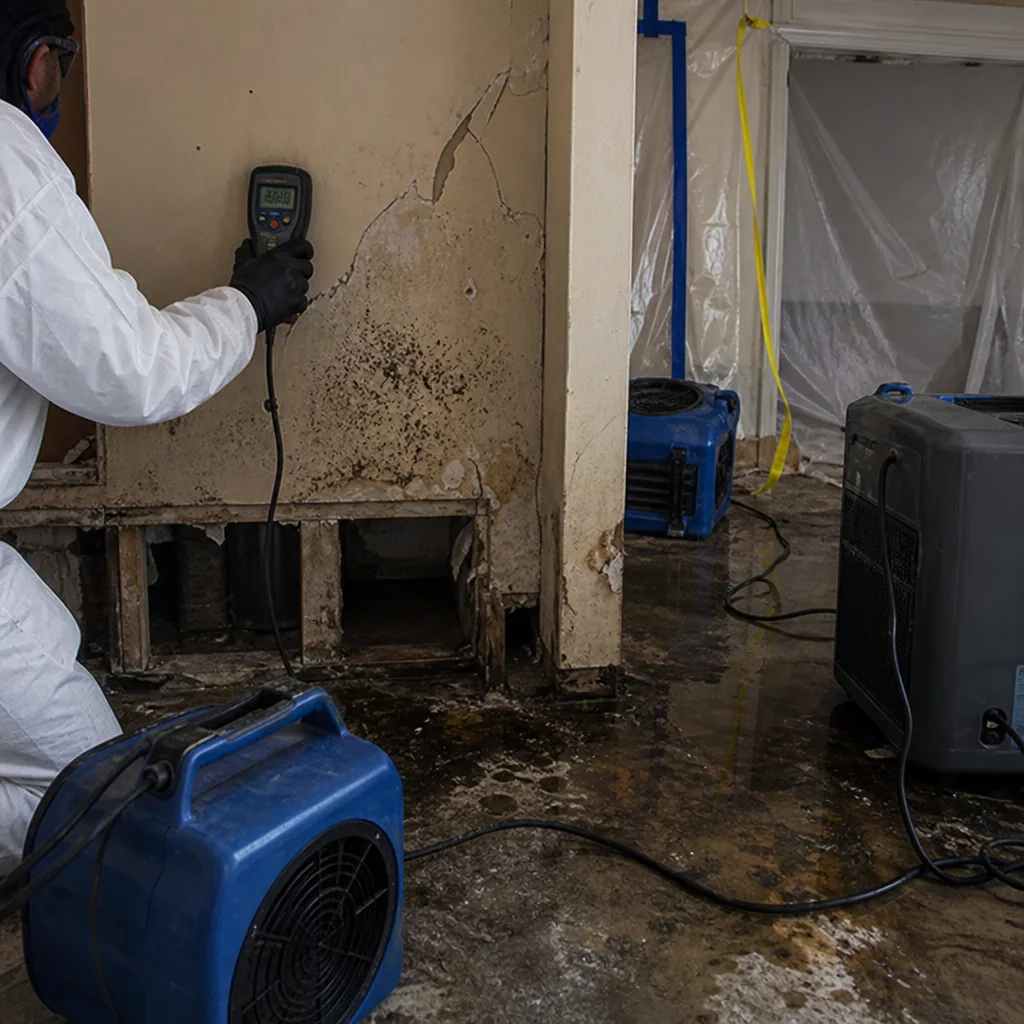 Before
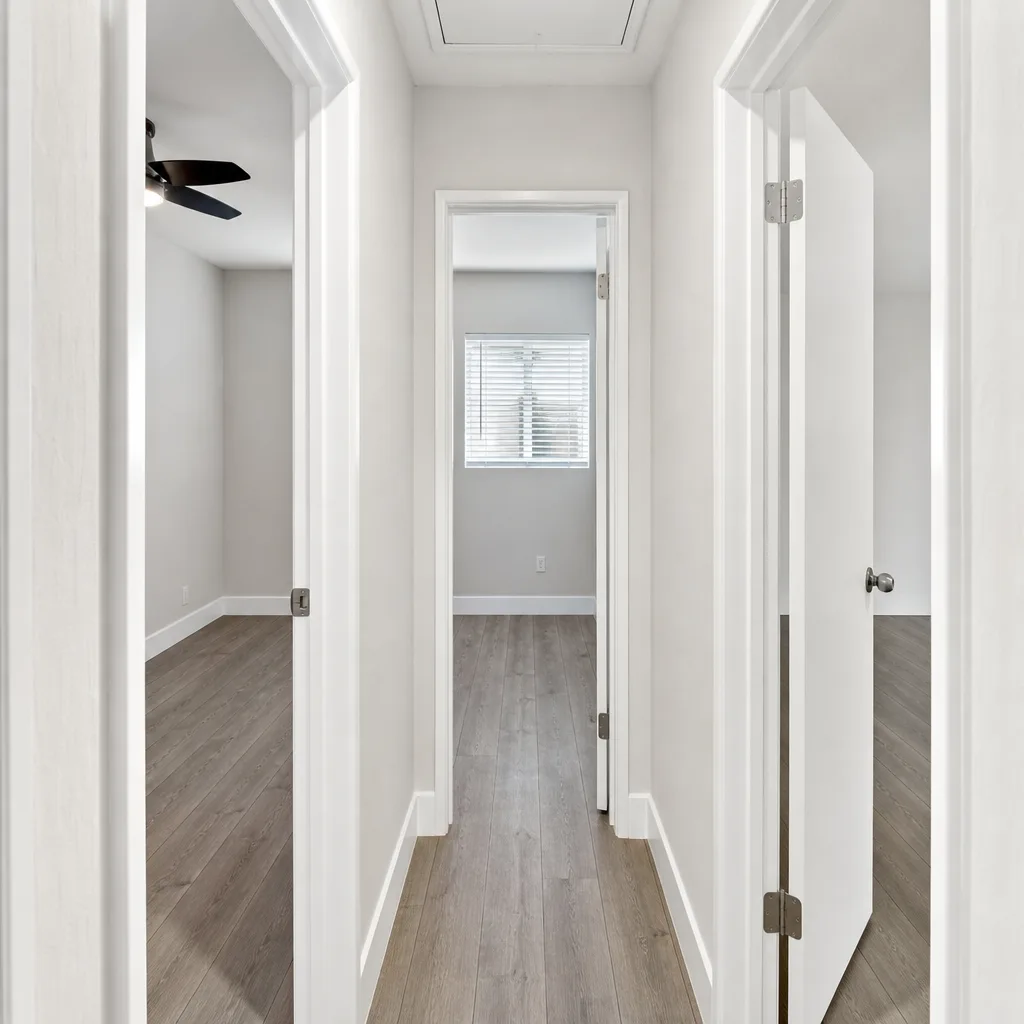 After
After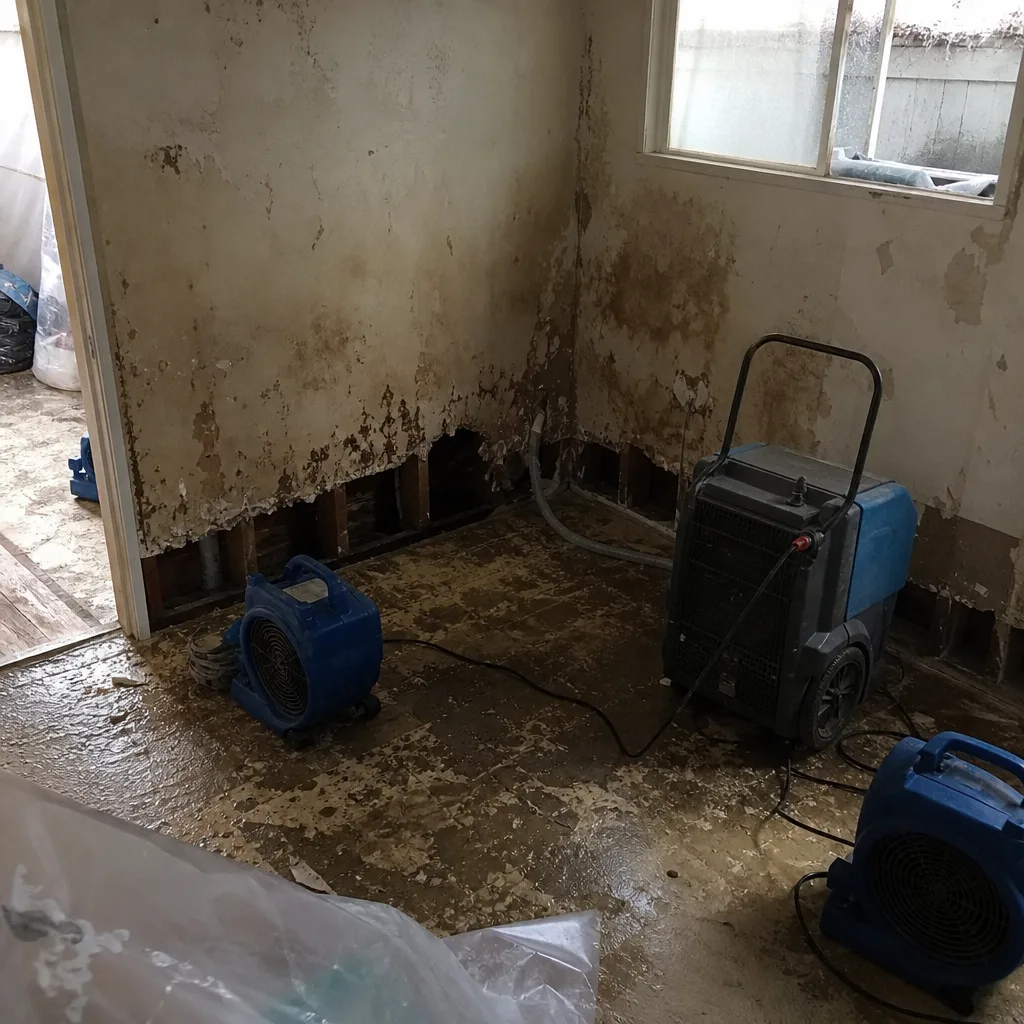 Before
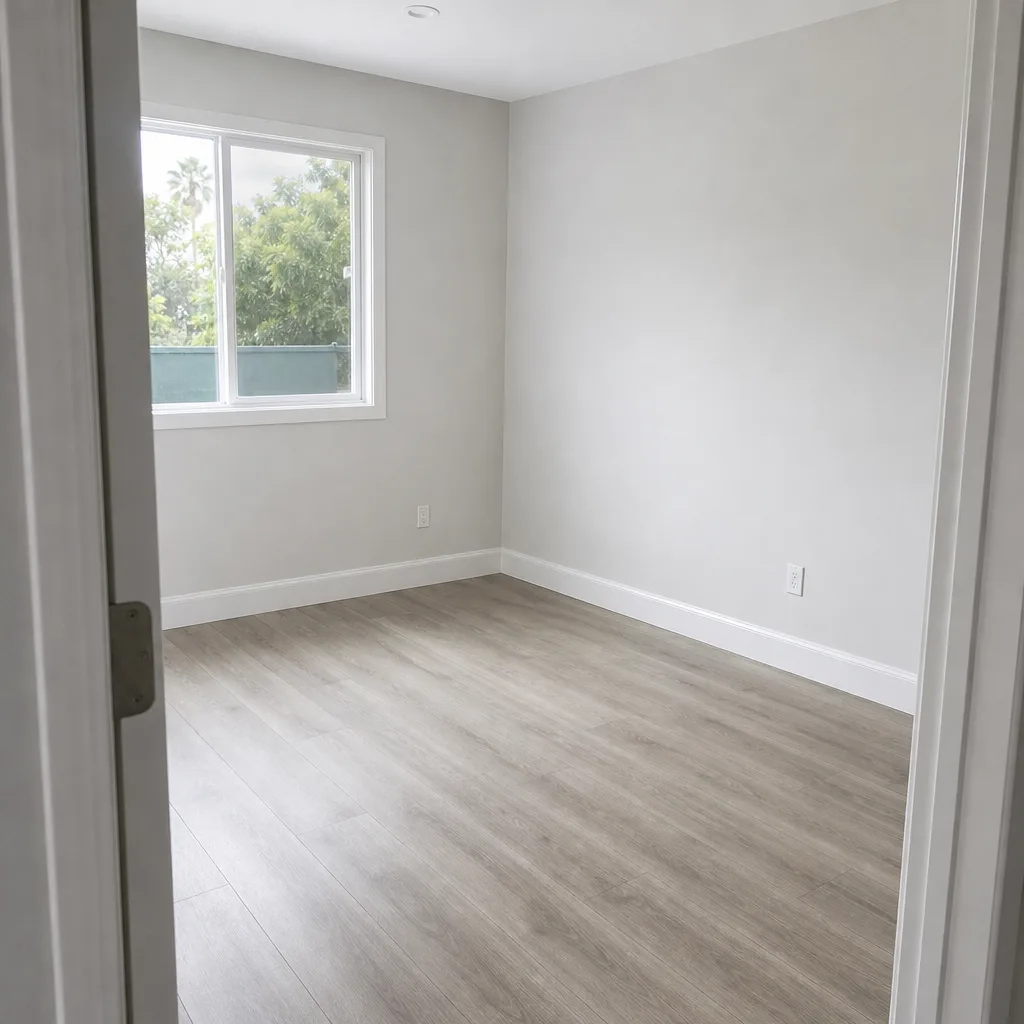 After
After