
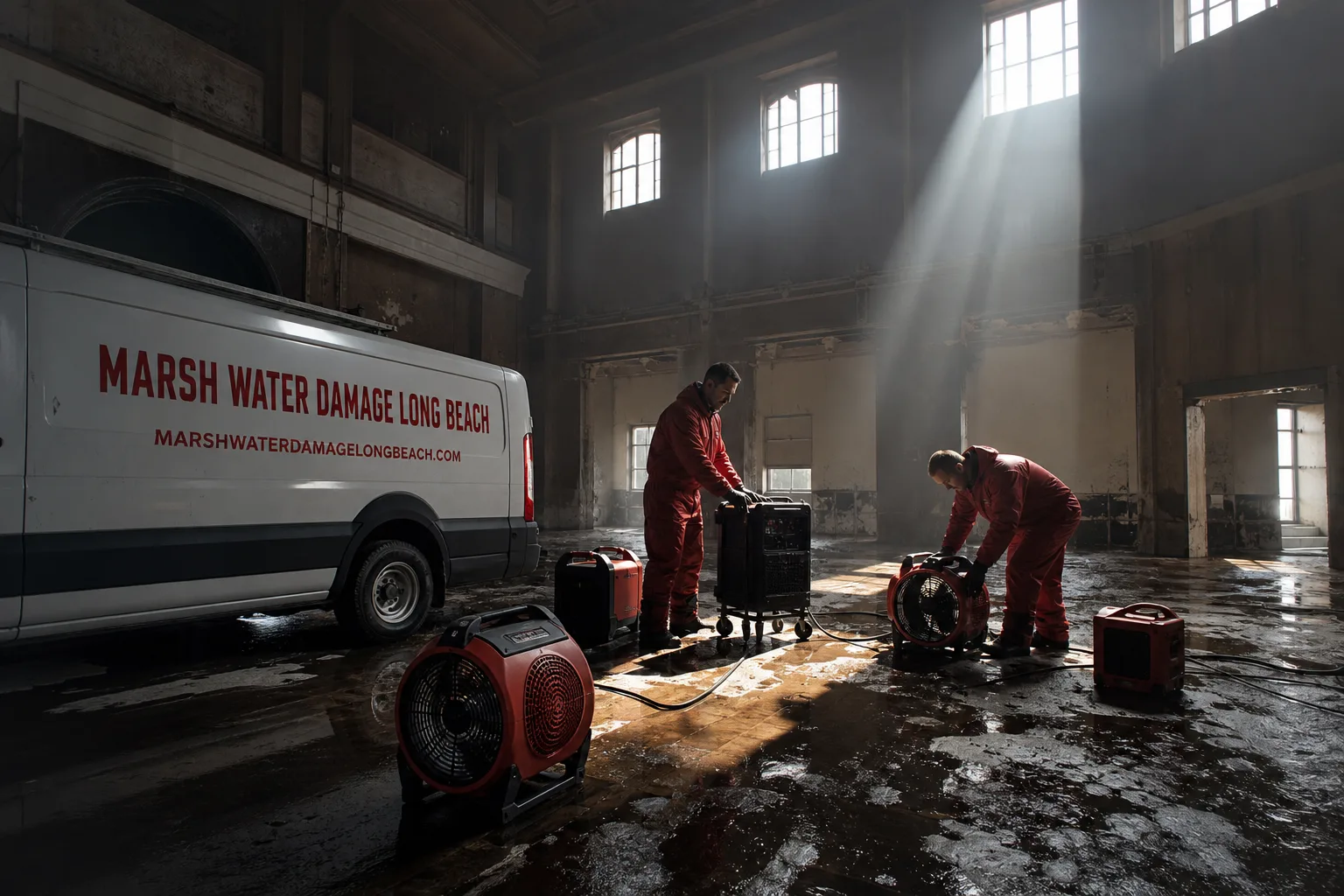
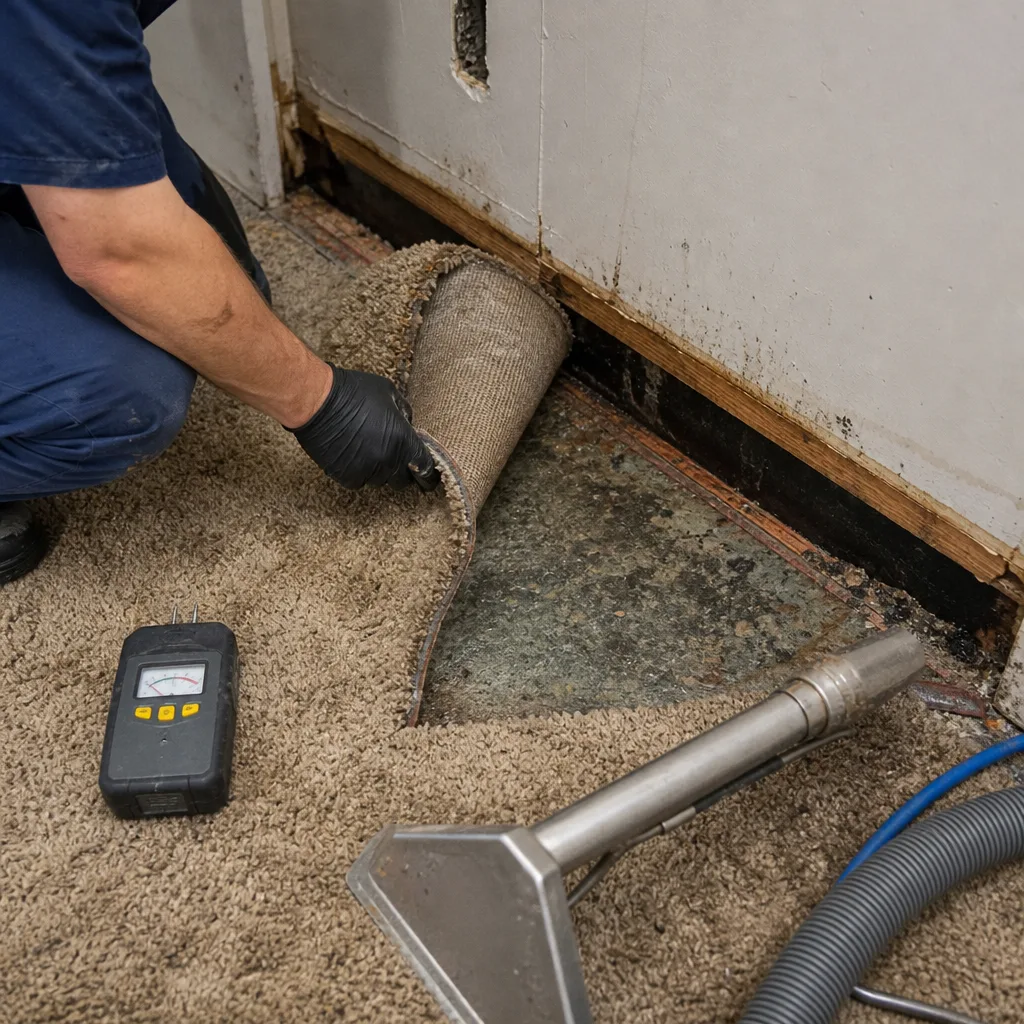
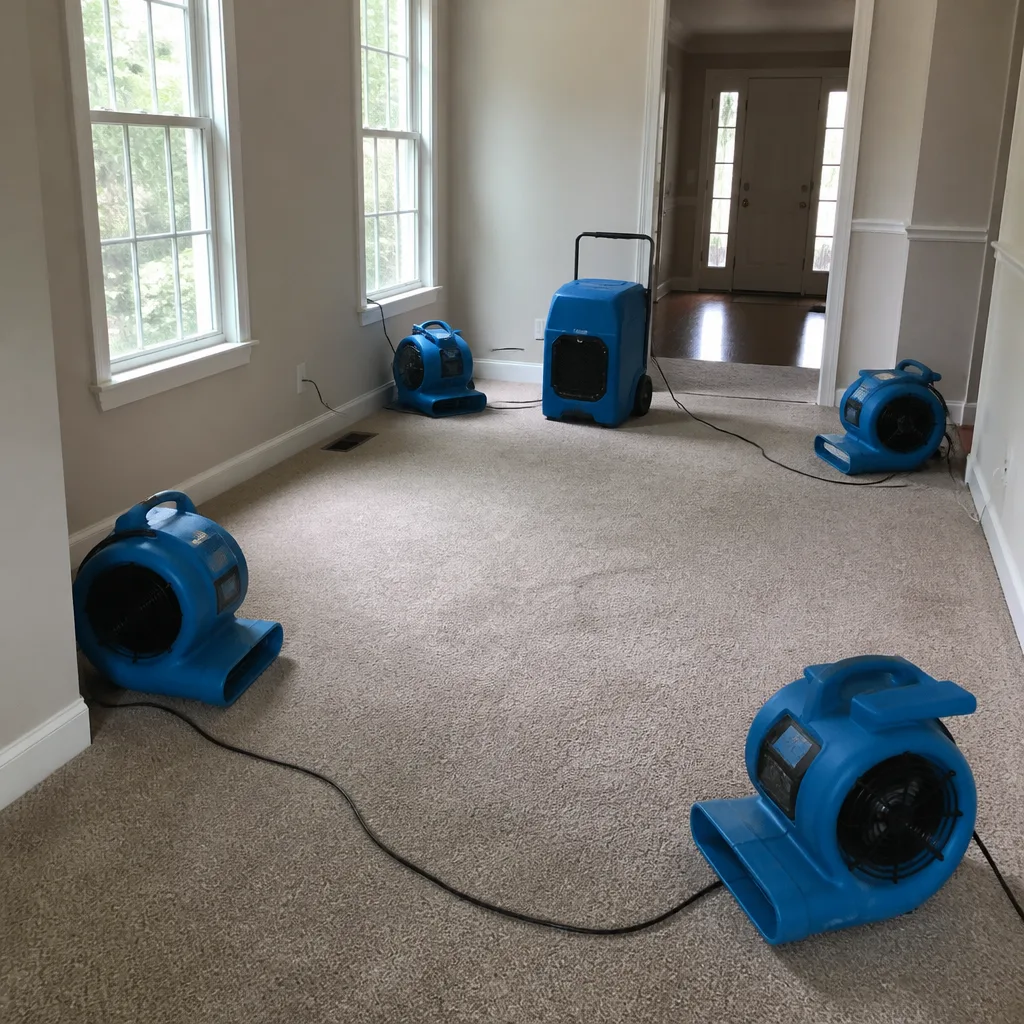
 Water damage drying
 Fire & smoke cleanup
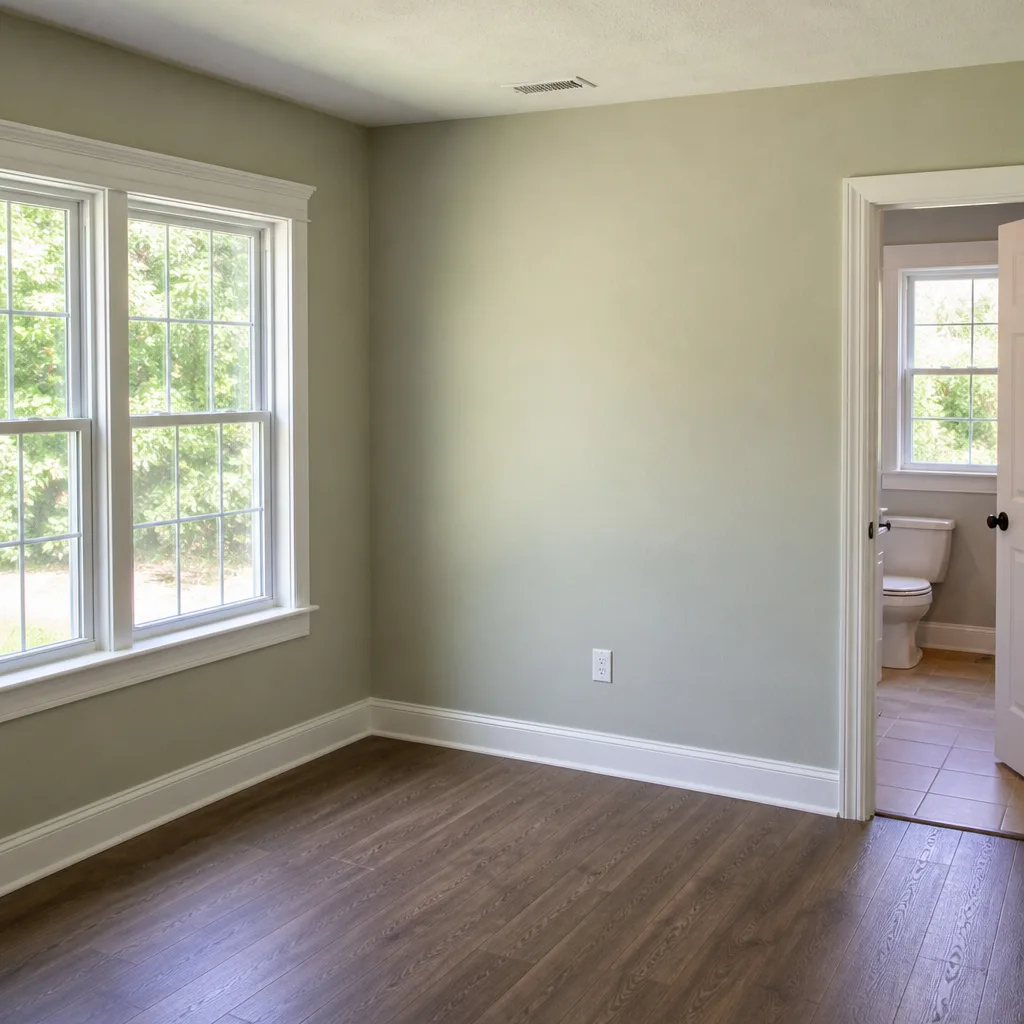 Mold remediation
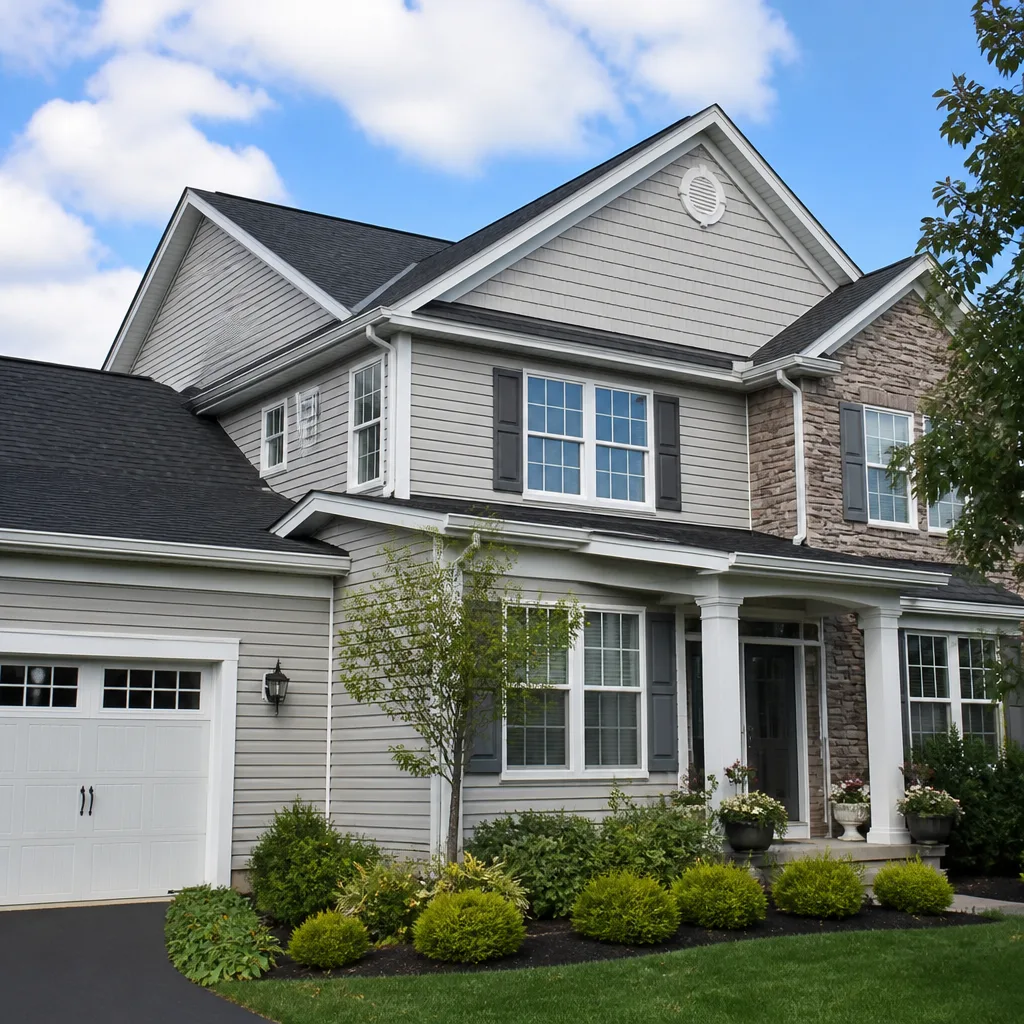 Storm response
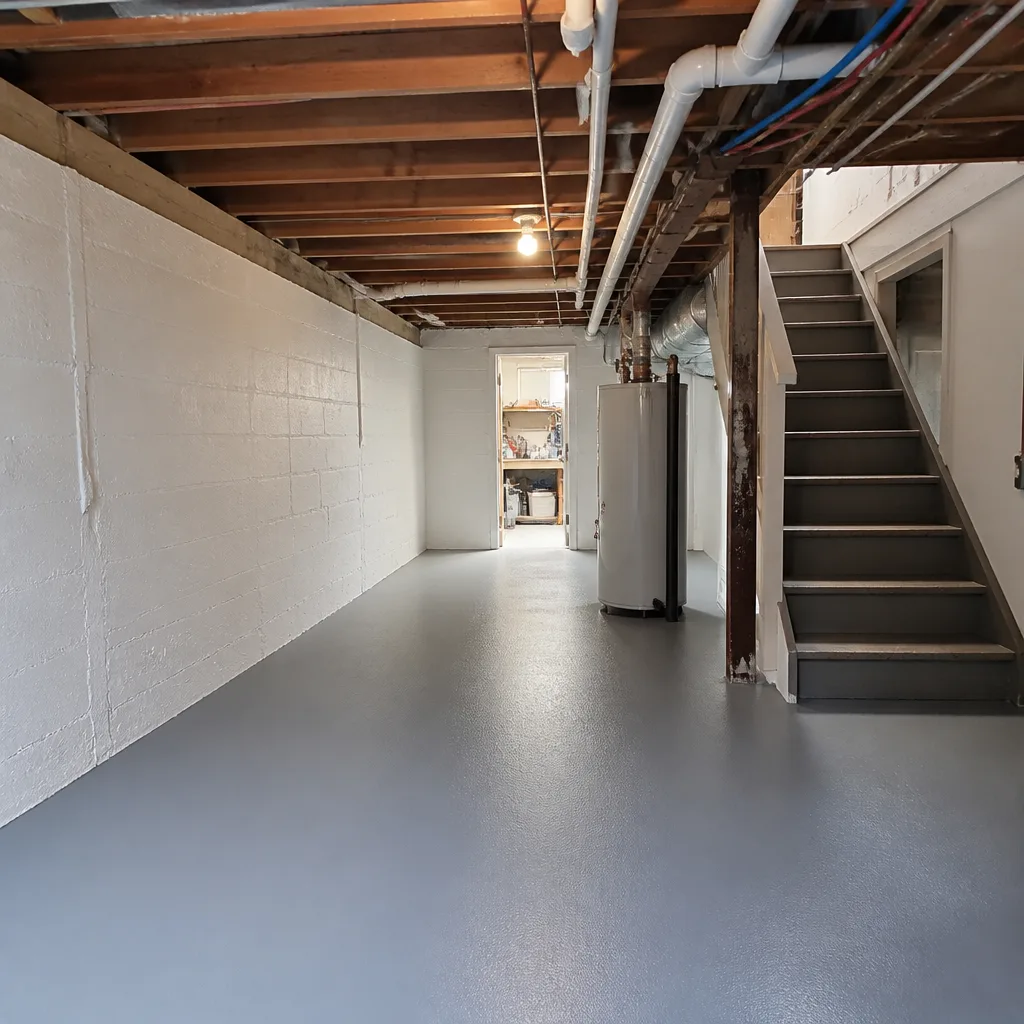 Sewage cleanup
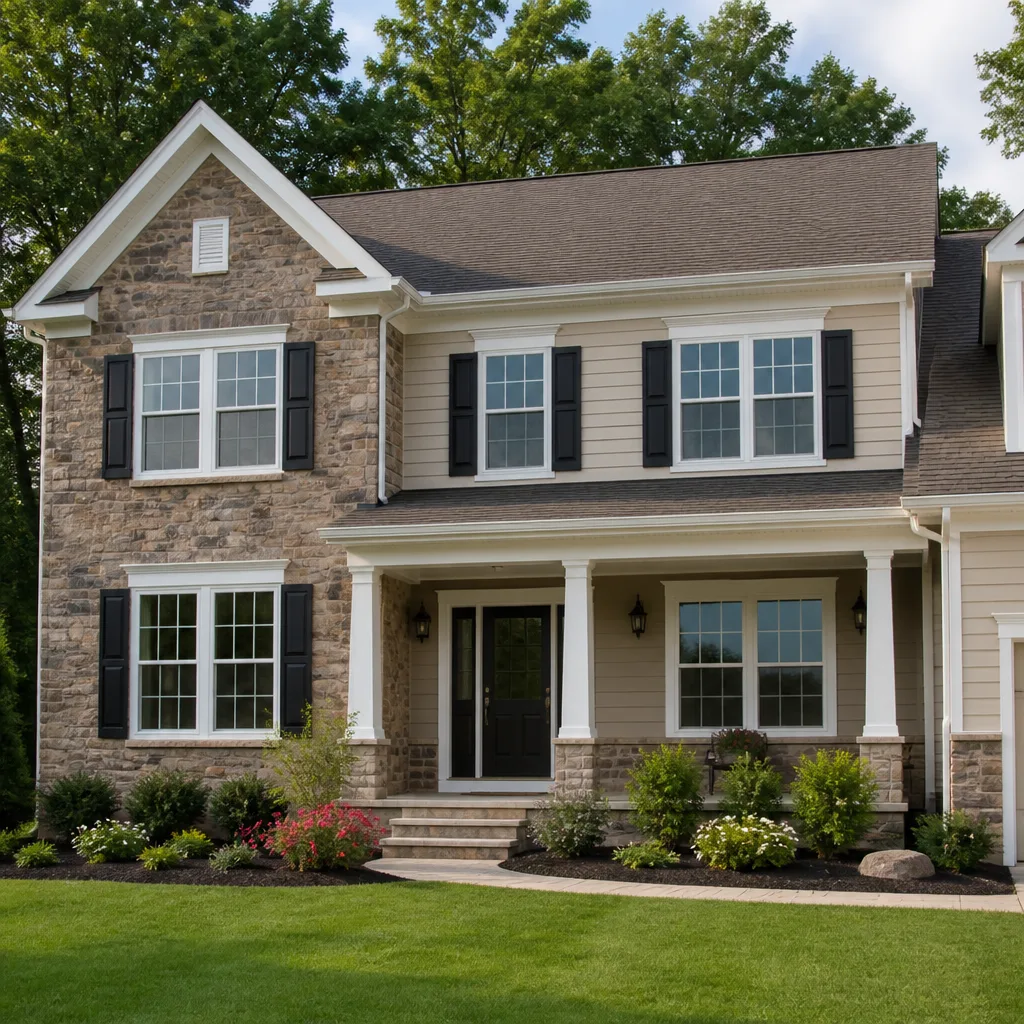 Reconstruction
Free visual inspection and a written scope of work before any mitigation begins - photos, moisture readings, and drying logs go in your claim file
The scope we write is the scope we bill. Anything new gets shown to you, in writing, before we touch it.
Get your free estimateRestoration work we handle
See the difference
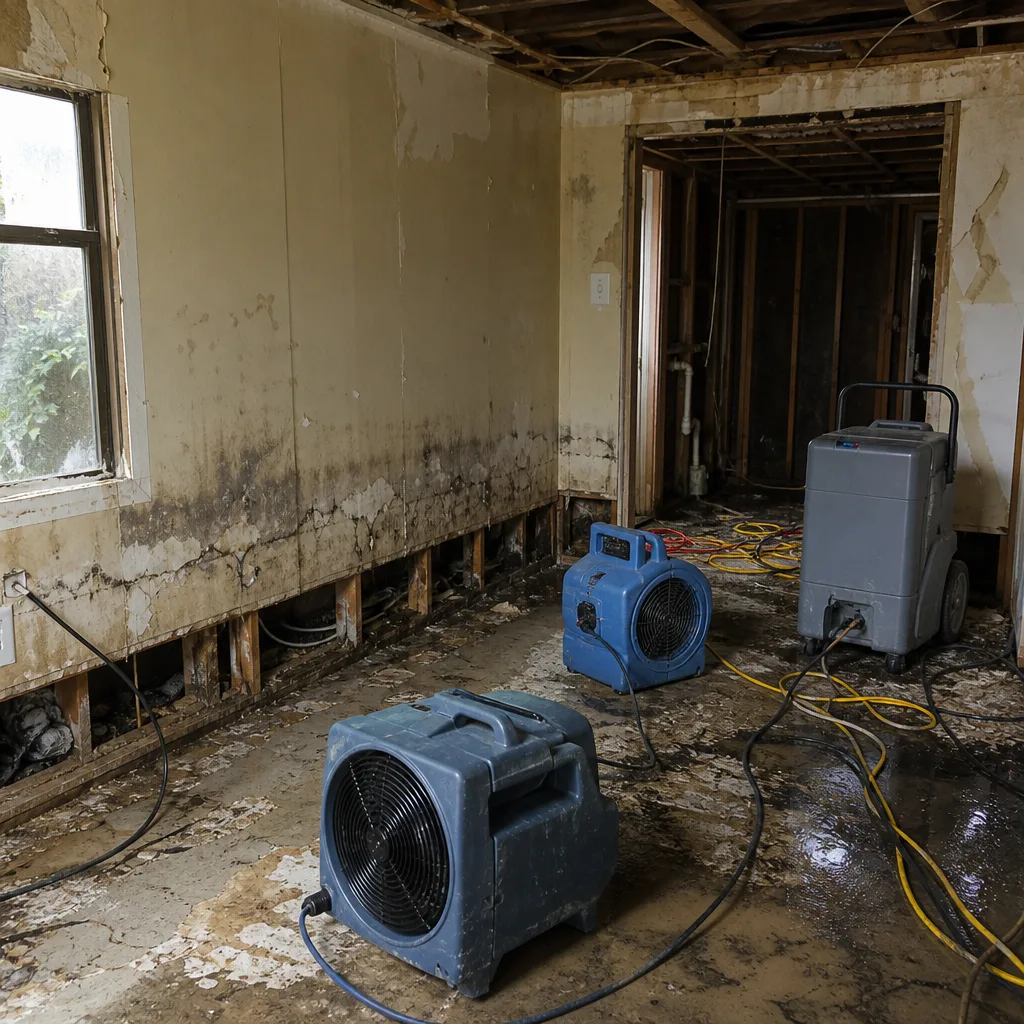 Before
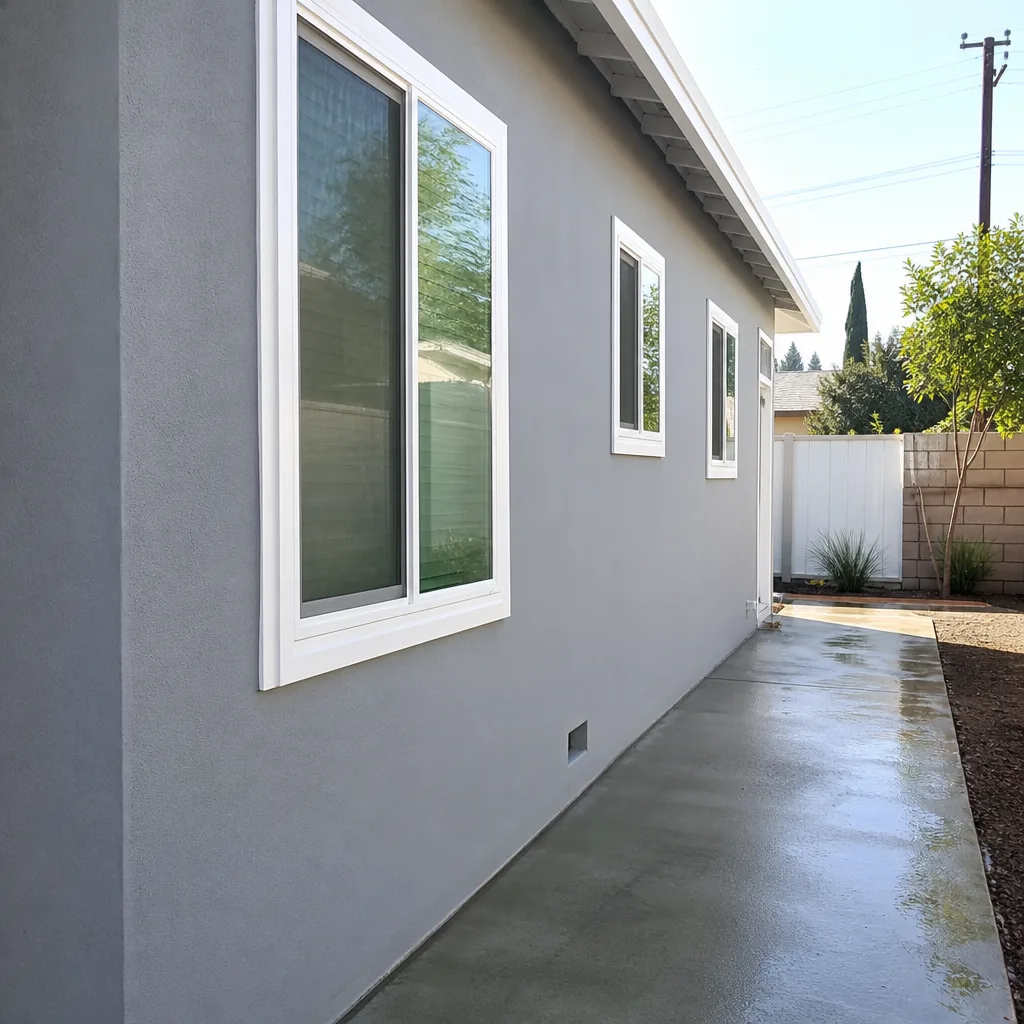 After
After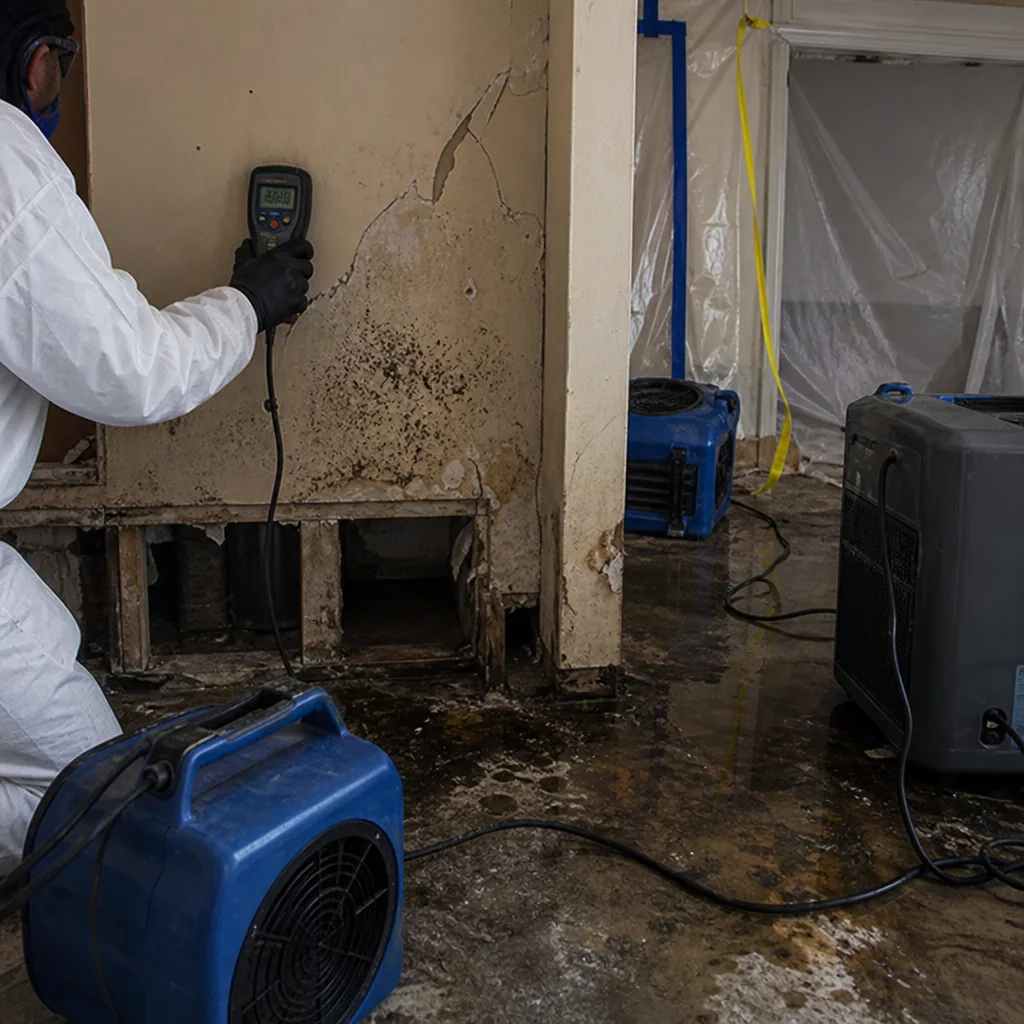 Before
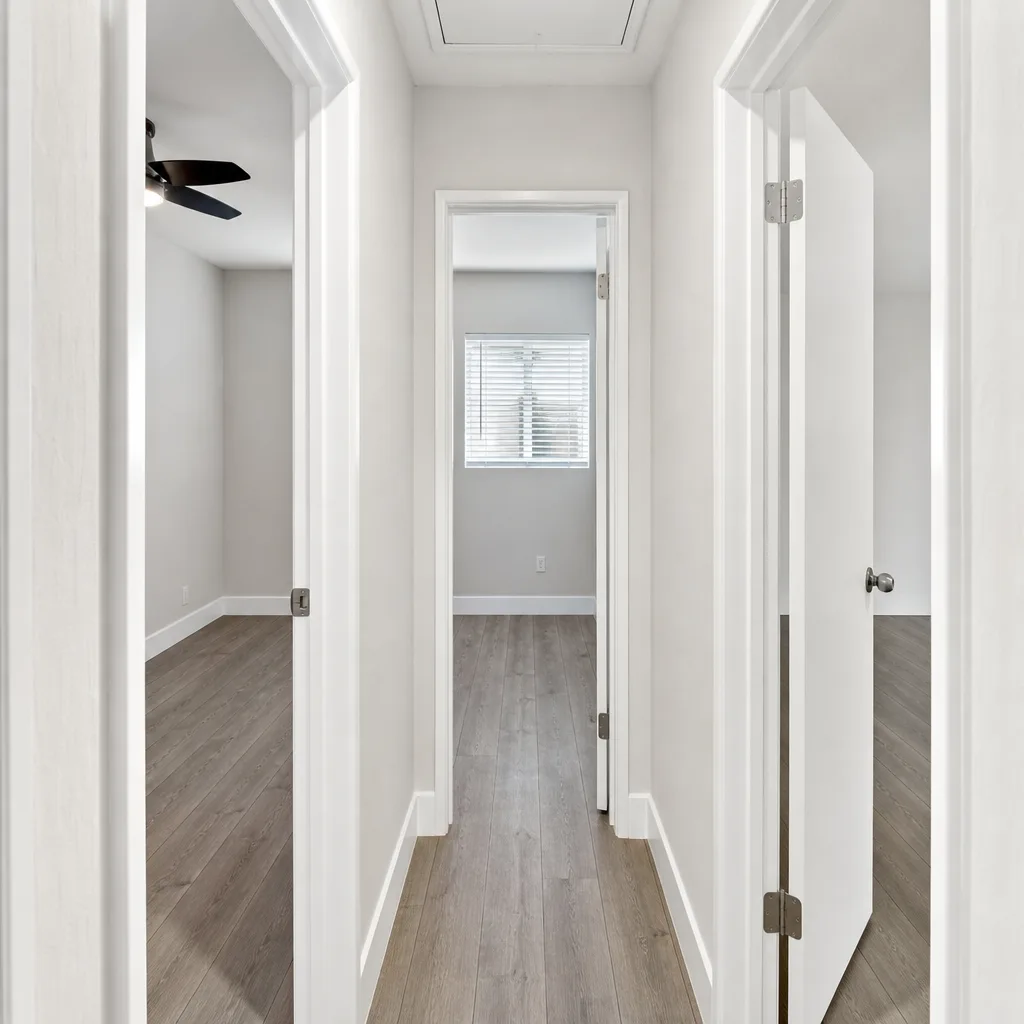 After
After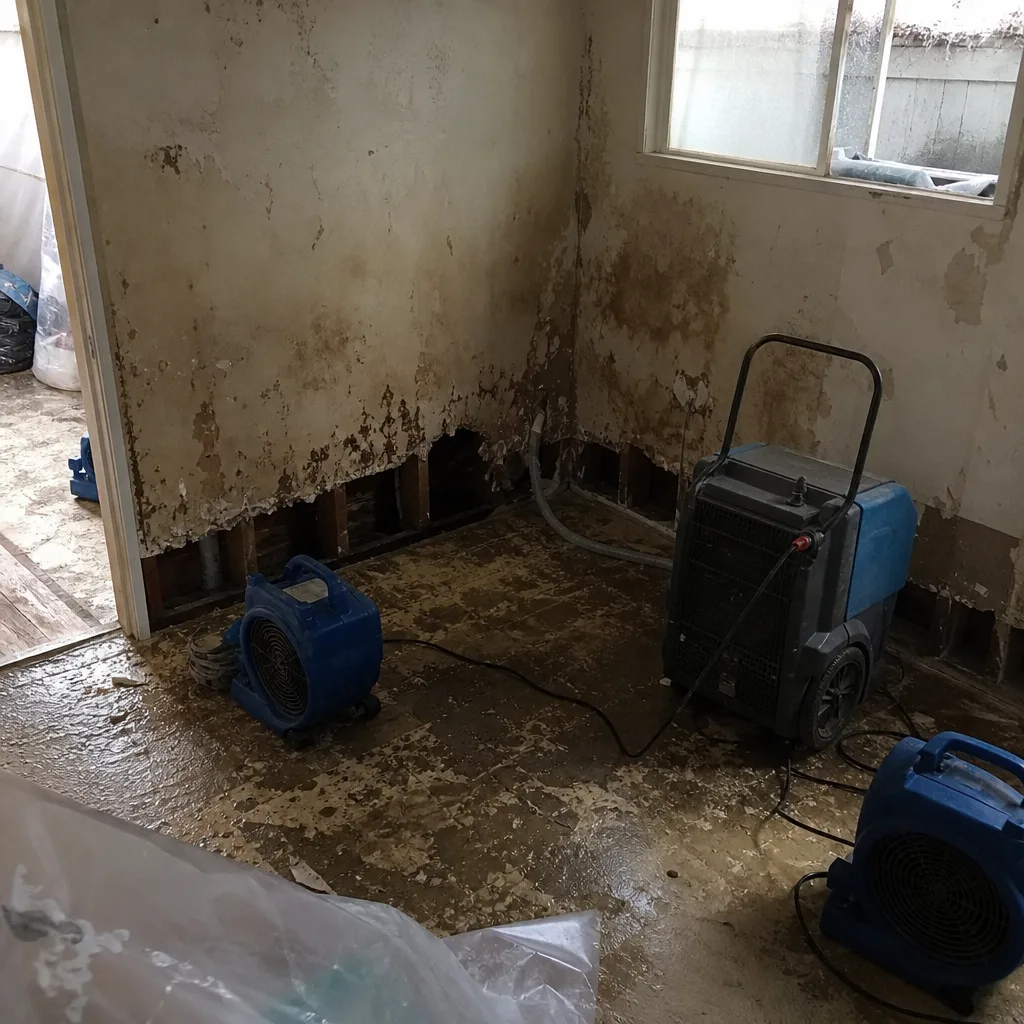 Before
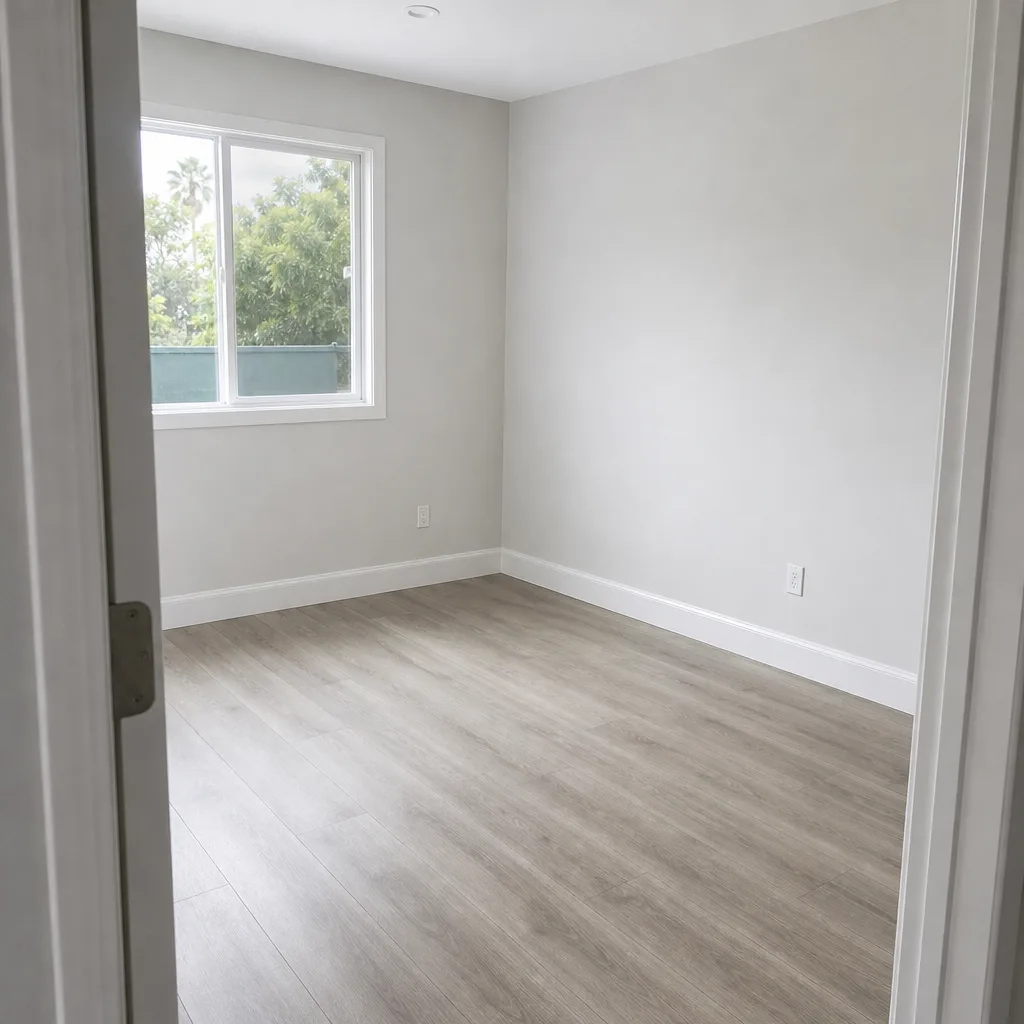 After
AfterHow Much Does Damage Restoration Cost in Long Beach?
Most Long Beach homeowners pay between $1,800 and $7,500 for water damage restoration, with the typical mid-range job landing around $3,400. Mold remediation in Long Beach runs $1,500 to $6,000 for the average single-room project, while full storm damage restoration after a heavy coastal rain event can reach $12,000 to $30,000 when roofing, drywall, and flooring all need work. These are real numbers from the Long Beach market in 2026, not national averages that ignore our humidity, our older housing stock, and our proximity to salt air.
If you’re standing in a flooded living room right now, here’s the short version: water extraction alone typically costs $500 to $1,200 before drying equipment even gets set up. Call (562) 999-7643 and a live person answers, day or night. We’ll give you a written price before any work starts.
Damage Restoration Cost Breakdown (2026)
Here’s what we’re actually quoting on jobs across Long Beach this year. These ranges reflect what our crews see in neighborhoods from Naples to Bixby Knolls, from Wrigley to El Dorado Park.
| Service | Typical Long Beach Cost Range | What’s Included |
|---|---|---|
| Water extraction (standing water removal) | $500 – $1,200 | Extraction pumps, truck-mounted or portable units, initial containment setup |
| Structural drying (3 – 5 days) | $1,200 – $3,500 | Air movers, dehumidifiers, daily moisture readings, equipment rental included |
| Minor water damage repair | $800 – $2,500 | Baseboard replacement, small drywall patches, paint touch-up |
| Full room restoration (Category 2 or 3 water) | $3,000 – $7,500 | Demo, drying, antimicrobial application, rebuild of flooring and lower drywall |
| Mold remediation (single room) | $1,500 – $6,000 | Containment, HEPA filtration, removal of affected materials, treatment, clearance testing |
| Sewage backup cleanup | $4,000 – $12,000 | Category 3 water handling, full sanitization, often includes flooring replacement |
| Storm damage restoration | $5,000 – $30,000 | Roof tarping, water extraction, structural drying, interior rebuild as needed |
These numbers move up or down based on a handful of things we measure on every job. A one-story home in Lakewood Village with tile floors and a slab foundation dries faster and costs less than a two-story craftsman in Rose Park with hardwood floors, plaster walls, and a raised foundation where water pooled underneath. Category 1 water from a supply line is cheaper to handle than Category 3 water from the San Gabriel River backing up through a floor drain in Los Altos during a winter storm.
What Drives Cost Up or Down
Square footage matters, but not as much as people assume. A 400-square-foot bathroom with water trapped under the tub costs more to dry than a 1,200-square-foot living room where the water stood on concrete and evaporated quickly. Moisture meter readings (we call these psychrometric readings, which just mean we measure the actual moisture in the air and materials, not what the surface looks like) tell us when the structure is genuinely dry, not just dry to the touch. Homes near the coast in Belmont Shore or along the Peninsula deal with ambient humidity that slows drying, which adds a day or two of equipment time.
What Affects Damage Restoration Pricing in Long Beach
- Water category. Category 1 (clean water from a burst supply line) is the cheapest and quickest to handle. Category 2 (gray water with some contaminants, like washing machine overflow) needs sanitizing. Category 3 (black water from sewage or outside flooding) requires full PPE, material removal, and antimicrobial treatment. Each step up adds cost.
- How long the water sat. Water that sits for more than 48 hours in Long Beach’s humid climate starts growing mold regardless of how clean it started. A same-day call often prevents a $3,000 drying job from becoming an $8,000 remediation and rebuild.
- Where in the home the damage is. Crawlspace flooding under a raised foundation in California Heights takes different equipment and more labor than a slab leak under a kitchen in Signal Hill. Attic damage from a roof leak hits different materials than a slab-level pipe burst.
- Age and construction of the home. Long Beach has thousands of pre-1940s houses with plaster walls, original hardwood, and framing that was never designed to get wet. Plaster dries slower than drywall. Original hardwood floors in an Alamitos Beach bungalow respond differently than engineered flooring in a new build near the Traffic Circle.
- Mold presence on arrival. If we arrive and mold is already visible, the job moves into remediation territory. That means containment chambers, negative air pressure, HEPA scrubbing, and disposal of affected materials under California waste regulations. It’s the difference between a drying call and a full remediation project.
- Contents and personal property. Packing out and storing furniture, rugs, and personal items while floors and walls are worked on adds labor and usually storage costs. Homes with minimal furniture or easy-to-move pieces cost less to restore.
How to Save on Damage Restoration
The single biggest money-saver in Long Beach is speed. Calling within the first hour of discovering standing water keeps the damage in Category 1 territory and usually prevents mold from taking hold. Every day you wait adds cost, not just in drying time but in materials that need replacing instead of drying.
Here’s what actually reduces your bill:
- Call before the water spreads. Water travels fast through Long Beach’s older raised foundations and shared walls in multi-unit buildings. Containing it early limits the square footage we have to dry.
- Move what you can, carefully. If it’s safe to move small furniture, electronics, and rugs out of the wet zone, do it. You’re not expected to handle soaked drywall or damaged flooring, but relocating a couch keeps it out of the demolition list.
- Keep the water category clean. If the source is your washing machine line, shut it off and keep contaminants away from the water. The moment it mixes with sewage or outside runoff, the remediation protocol and pricing change.
- Ask for the written price up front. Every Marsh Water Damage Long Beach job gets a written price before any work begins. That’s not a marketing line, it’s printed on every work order. You’ll know the drying estimate, the rebuild estimate, and what the equipment rental includes before we open a wall.
- Don’t skip the moisture readings. Surface-dry is not dry. Homes in Naples and the Peninsula sit in salt-laden air that keeps subflooring damp even after the visible water is gone. We use Dri-Eaz dehumidifiers and Phoenix air movers paired with daily moisture meter readings to confirm the structure is actually dry, which prevents a second call five months later when the mold blooms.
Free estimates are standard for us. Call (562) 999-7643 and we’ll walk you through what your specific situation likely costs. No obligation, no pressure, just real numbers from someone who’s been doing this in Long Beach since 2005.
What Does the Marsh Water Damage Restoration Process Look Like?
Here’s the step-by-step of what happens when you call us, so you know exactly what to expect and when costs get confirmed.
- You call, a live person answers. Not a voicemail, not a callback queue. At 2 a.m. on a Sunday or noon on a holiday, a real person picks up at (562) 999-7643. We get your address, ask what happened, and start triage over the phone.
- You’re told who’s coming. Before the technician arrives, you receive their name and photo via text or email. That’s the Threshold Verified standard, and it applies to every single visit, not just the first one. When they knock, they show a photo ID badge that matches the person you were told to expect.
- On-site assessment. The tech arrives in a marked vehicle, in uniform, with identification. They inspect the damage, take moisture readings, identify the water category, and map the affected areas. This is when you get the scope of work.
- Written price before any work begins. You receive a line-item estimate covering extraction, drying equipment, materials, and any rebuild needed. No estimate that balloons after demo starts. If the scope changes because we find something hidden, we stop and tell you before moving forward.
- Extraction and drying. We remove standing water with extraction equipment, then set up air movers and dehumidifiers (Dri-Eaz, Phoenix, XPOWER, B-Air, and Injectidry depending on the job). We return daily to check moisture levels and adjust equipment.
- Rebuild and finishing. Once the structure reads dry on our meters, we handle the rebuild: drywall, baseboards, flooring, paint. Every repair is covered by a written guarantee.
- The 365-Day Done Right Promise. If the repair isn’t right within a full year, we make it right. That includes a free second visit. It’s not a vague pledge; it’s printed on every work order with the date and time documented.
Water Damage Restoration Costs in Long Beach by Neighborhood
Long Beach isn’t one market. The restoration cost differences between neighborhoods come down to housing stock, proximity to water, and foundation type. Here’s what we see in different parts of the city:
- Naples Island and Belmont Shore. These are the highest-cost restoration zones in Long Beach. Homes sit at or near sea level, many with basements or below-grade garages that flood during king tides and heavy winter swells. Salt water intrusion means more aggressive drying protocols and more material replacement. Expect costs at the top of every range, especially for storm-related work.
- Alamitos Beach and Bluff Heights. Older 1920s and 1930s buildings, many now multi-unit, with plaster walls and original hardwood. Plaster dries slower and often needs section replacement. Shared walls mean water travels between units, which expands the scope quickly.
- Wrigley, Bixby Knolls, and California Heights. Mix of 1920s through 1950s houses, many with raised foundations. Crawlspace flooding after heavy rain is common, especially in Wrigley where storm drains struggle during atmospheric rivers. Crawlspace drying adds labor but often saves flooring above.
- Lakewood Village and El Dorado Park. Newer construction (1950s through 1980s), more slab foundations, more drywall, fewer plaster walls. Restoration here trends toward the middle of the pricing range. Slab leaks are the common culprit, and they usually mean breaking into concrete to access the pipe, which adds plumbing costs to restoration.
- Downtown Long Beach and the East Village. High-rise and mid-rise condos bring a different restoration challenge: water travels down through multiple units. Flooding on the 5th floor of a Pine Avenue building affects the ceiling of the 4th floor and the walls of the 5th. Multi-unit restoration requires more coordination and often moves slower due to HOA involvement.
- Naples canal-adjacent properties. Homes directly on the canals deal with groundwater pressure, not just surface water. During heavy rain, groundwater pushes up through slab cracks and lower walls. This requires dewatering and extended drying, which increases cost beyond typical slab-foundation work.
Storm Damage Restoration in Long Beach: What the 2026 Season Looks Like
Long Beach catches every El Niño and atmospheric river that hits Southern California, often harder than inland cities because of our specific geography. The Los Angeles River and San Gabriel River drain through the city on their way to the ocean, and when those systems overload, neighborhoods from Los Altos to the Wrigley area see temporary flooding.
Storm damage restoration differs from standard water damage because you’re usually dealing with multiple problems at once: roof damage letting water into the attic, standing water at the slab level, and wind-driven rain pushing moisture through window seals and stucco. A storm job in Long Beach in 2026 typically involves:
- Roof tarping and temporary sealing to stop active water intrusion: $400 – $1,000
- Water extraction from floors and below-grade spaces: $500 – $1,500
- Structural drying including crawlspaces and wall cavities: $1,500 – $4,000
- Mold prevention treatment and antimicrobial application: $300 – $800 per affected area
- Interior rebuild (drywall, insulation, flooring, paint): $3,000 – $20,000 depending on scope
A full storm restoration on a single-family home near the Los Cerritos Wetlands cost a client about $14,500 last winter: the wind peeled back part of the roof membrane, water ran down the interior of a south-facing wall, and by the time we arrived, the drywall had wicked moisture more than four feet up. The rebuild involved new insulation, new drywall on two walls, baseboard replacement, and a full drying cycle that took six days because the ambient humidity refused to budge. That’s a realistic Long Beach storm number.
Mold Remediation Cost in Long Beach
Mold is a different pricing conversation than water extraction. Because Long Beach sits in a coastal humidity zone, mold grows faster here than in the Inland Empire or the High Desert. A wall cavity that stays damp for 72 hours in our climate will almost always show microbial growth, even if the water source was clean.
Here’s what mold remediation costs in Long Beach in 2026:
- Small isolated patch (under a sink, behind a toilet): $500 – $1,200
- Single room (bathroom, small bedroom, hallway): $1,500 – $4,000
- Multiple rooms or whole-floor remediation: $4,000 – $12,000
- Attic or crawlspace remediation: $2,500 – $8,000 depending on access difficulty
- Post-remediation clearance testing: $300 – $800 (third-party industrial hygienist; we coordinate but don’t self-test, which keeps the results legitimate)
Mold remediation requires containment chambers with negative air pressure, HEPA air scrubbing, physical removal of affected materials (you can’t “clean” mold out of drywall; the material has to come out), and treatment of the underlying framing. We use the term microbial remediation, which simply means we’re not just wiping surface mold; we’re addressing the entire affected environment, including airborne spores that have spread to other parts of the home.
What Does Insurance Cover for Restoration in Long Beach?
Most homeowners policies in California cover sudden and accidental water damage: a burst pipe, a supply line failure, a roof leak from wind damage. They do not cover gradual leaks, neglect, or flooding from outside sources unless you carry a separate flood policy through the National Flood Insurance Program.
Insurance-covered jobs still cost you your deductible, which in Long Beach typically ranges from $500 to $2,500 depending on your policy. What insurance doesn’t always cover is the full cost of mold remediation if the mold grew because a leak went unreported for weeks or months. This is why the speed of your call matters: a same-day response keeps the claim in “water damage” territory instead of “mold damage” territory, which changes what your adjuster will approve.
Marsh Water Damage Long Beach works directly with insurance adjusters. We document everything with photos, moisture readings, and written scope reports that adjusters can process without back-and-forth. The written price you get from us is the same documentation your insurer sees.
Why Restoration Costs Are Higher in Long Beach Than Inland Cities
If you’re comparing quotes from a Long Beach company against an inland company that works in Downey or Norwalk, you’ll notice a Long Beach premium. It’s not arbitrary. Here’s what drives it:
- Humidity. Our coastal air means dehumidifiers run longer, drying takes more days, and more of our margin goes to equipment runtime. A drying job in Corona might take three days; the same job in Belmont Shore takes five or six.
- Older housing stock. Long Beach has one of the densest concentrations of pre-1940s housing in Southern California. Plaster, lathe, original hardwood, lead paint considerations, and quirky framing all add labor hours.
- Permit costs and local code requirements. Long Beach Development Services has specific requirements for reconstruction after water damage, especially in historic districts like Bluff Park and Rose Park. Permits for structural work add $200 to $1,500 depending on scope.
- Salt air exposure. Homes near the coast have years of salt air exposure. Metal components corrode faster, wood swells and splits, and materials behave differently when they get wet. A door frame in Naples doesn’t come out the same way a door frame in Lakewood does.
- Labor rates. Restoration technicians in coastal Los Angeles County cost more per hour than inland crews, and that shows up in your estimate. You’re paying for credentialed people who stay current with IICRC standards, not day laborers with a Shop-Vac.
DIY vs. Professional Restoration: What You Can Actually Do Yourself
For a small, clean water spill on a tile floor where water never touched drywall, you can handle drying yourself with fans and open windows. For anything involving soaked drywall, flooded carpet, wall cavities, or water that sat for more than a few hours, professional equipment is the difference between a $3,000 drying job and a $12,000 mold and rebuild job.
Here’s the honest boundary line from someone who’s done this for two decades:
- Safe to DIY: Small spills on non-porous flooring (tile, sealed concrete), minor leaks you catch immediately, drying a single rug you can hang outside, wiping down a bathroom after condensation.
- Not safe or practical to DIY: Any water that touched drywall, any water that sat overnight, any water from a sewage source, any flooding that entered through exterior walls or roofing, any situation where you already smell must or see discoloration. These need extraction equipment, structural drying, and moisture meters to confirm the job is actually done.
And for mold: never attempt DIY mold removal on porous surfaces. Drywall, insulation, and carpet padding with mold growth need containment and removal. You cannot “kill” mold on drywall, no matter what the hardware store shelf claims. The material has to come out, and that requires proper containment so you don’t spread spores through the rest of the house.
FAQs – Damage Restoration Cost in Long Beach
How much does it cost to dry out a flooded room in Long Beach?
Drying a single flooded room in Long Beach typically costs $1,200 to $3,500, including extraction, equipment, and daily monitoring for three to five days. If the flooding was from a clean source like a supply line and you caught it within hours, you’ll land near the bottom of that range. If the room is in a coastal neighborhood with high ambient humidity or the water sat overnight, expect the top end. Call (562) 999-7643 for an exact quote on your specific situation.
Is it cheaper to repair or replace water-damaged drywall?
It’s usually cheaper to replace water-damaged drywall than to attempt repair. Lower-section drywall replacement in Long Beach runs $3 to $6 per square foot including materials and labor, while trying to dry and salvage waterlogged drywall often fails because the material loses structural integrity. In our experience, a 10-foot wall section that got wet above the baseboard costs $400 to $800 to replace properly, which is less than the long-term cost of a failed drying attempt that turns into mold six months later.
How much does mold removal cost in Long Beach?
Mold removal in Long Beach runs $1,500 to $6,000 for a single room, with smaller isolated patches costing as little as $500 and whole-floor remediation reaching $12,000 or more. The price depends on how far the mold has spread, whether it’s in wall cavities, and whether containment of multiple rooms is needed. Long Beach’s coastal humidity means mold grows quickly, which is why we recommend calling as soon as you smell must or see discoloration.
Does homeowners insurance cover water damage restoration in Long Beach?
Most California homeowners policies cover sudden and accidental water damage, like a burst pipe or supply line failure, minus your deductible of typically $500 to $2,500. They generally do not cover gradual leaks, flooding from outside sources without a separate flood policy, or mold that developed because a leak went unreported. We document every job with photos and moisture readings that make claims processing straightforward.
Can you come today for water damage in Long Beach?
Yes. We answer calls 24 hours a day, 7 days a week, including holidays, and a live person picks up, not a voicemail system. Same-day emergency response is standard for us in Long Beach because delaying even 24 hours in our climate turns a drying job into a mold job. Call (562) 999-7643 and we’ll have someone on the way within hours.
How long does water damage restoration take in a Long Beach home?
Most water damage restoration in Long Beach takes 3 to 7 days for the drying phase, followed by rebuild work that can run from 2 days to 3 weeks depending on scope. Coastal humidity in neighborhoods like Naples and Belmont Shore tends to extend drying times by a day or two compared to inland areas of the city. We give you a written timeline with your written price, and the 365-Day Done Right Promise means if something isn’t right within a year, we come back and make it right at no charge.
Why Long Beach Homeowners Choose Marsh Water Damage Restoration
Marsh Water Damage Restoration has been answering calls in Long Beach since 2005, and we’re part of the Threshold Group family of restoration companies. Our technicians carry IICRC, RIA, and IFA credentials, and they operate Dri-Eaz, Phoenix, XPOWER, B-Air, and Injectidry equipment: the same gear used on large commercial losses, applied to residential jobs with the same care.
The Threshold Verified standard is what sets our visits apart. Every technician is background-checked, identity-verified, uniformed, and photo-badged. Before anyone arrives at your door, you receive their name and photo, so you know exactly who’s showing up. When they knock, they show a photo ID badge that matches that person. Every time. For homeowners who are often home alone, parents with young children, and older residents who are wary of letting strangers into their home, that’s not a nice extra; it’s the reason they call us.
The name Marsh isn’t random. A marsh is low, wet ground, water where it shouldn’t be. That’s what we deal with every day, and we named the company after the thing we fight.
Tobias Reyner leads our Long Beach team, and the commitments we make are his commitments, printed on every work order: a written price before any work begins, a written guarantee on every repair, and the 365-Day Done Right Promise. If the repair isn’t right within a full year, we make it right. That includes a free second visit, automatically. You never have to argue for it.
When water has taken over your home, you want two things: it gone, and someone you can trust walking through the door. We deliver both. Call (562) 999-7643 for a free estimate. A live person will answer, and we’ll tell you exactly what comes next.
Written by Tobias Reyner, Owner at Marsh Water Damage Long Beach, serving Long Beach since 2005.
Pricing reflects the Long Beach market as of 2026. Costs vary by scope, water category, and neighborhood. Marsh Water Damage Long Beach offers free estimates, call (562) 999-7643. Learn more on our home page.
What Our Customers Say
"Good job overall. Equipment noise was loud at night, but they explained why it was needed. Dried out fully and passed the final reading."
- Carla J."Clear communication about what insurance would cover and what wouldn't. Never felt pushed."
- Oscar P."Quick response and the team was polite. Floor looks as good as before."
- Ross T.