
 Water damage drying
 Fire & smoke cleanup
 Mold remediation
 Storm response
 Sewage cleanup
 Reconstruction
Free visual inspection and a written scope of work before any mitigation begins - photos, moisture readings, and drying logs go in your claim file
The scope we write is the scope we bill. Anything new gets shown to you, in writing, before we touch it.
Get your free estimateRestoration work we handle
See the difference
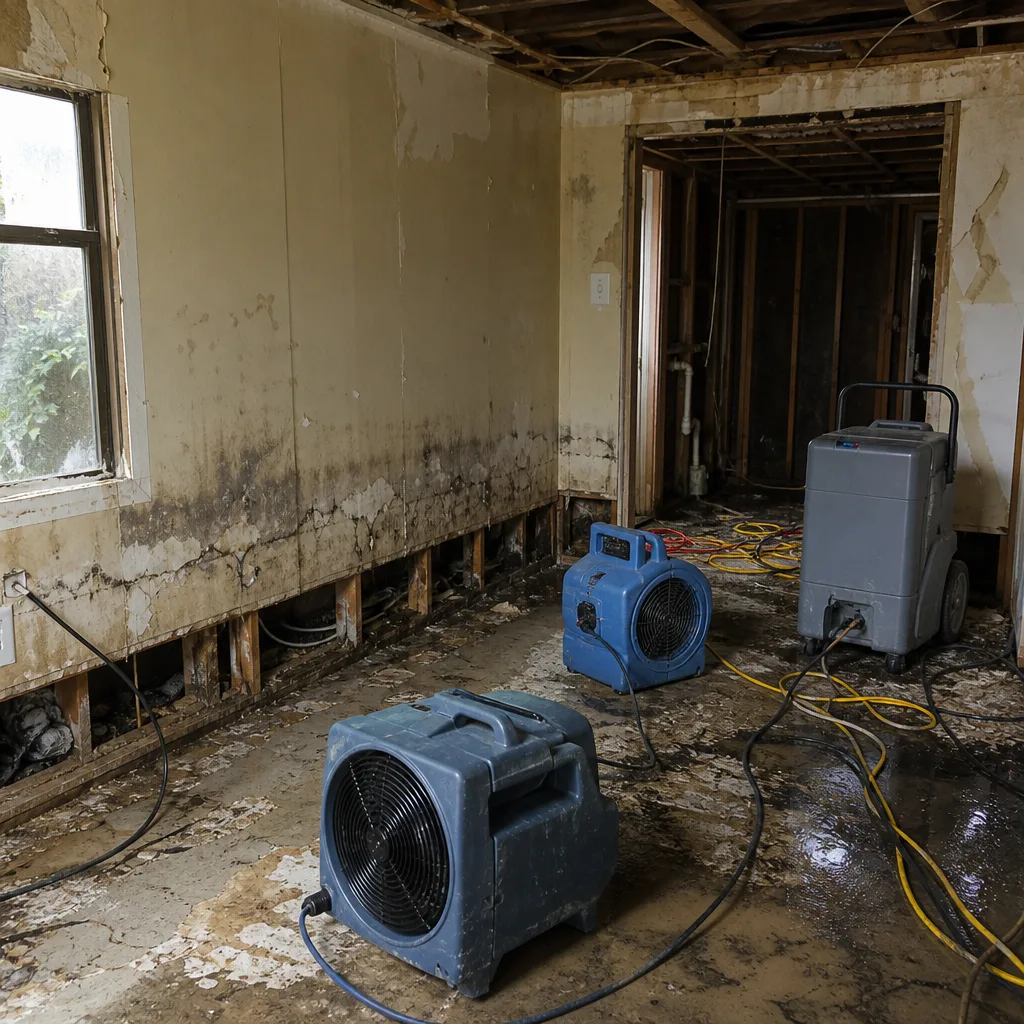 Before
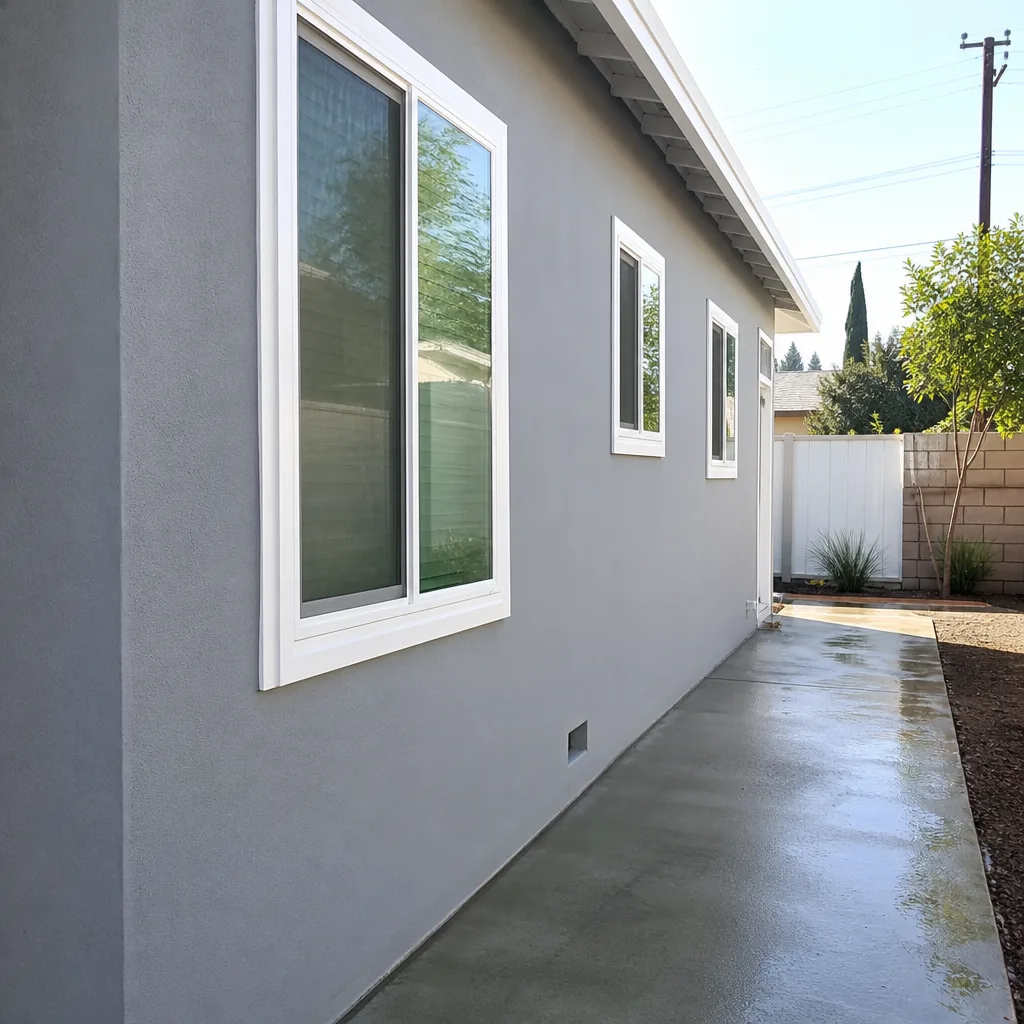 After
After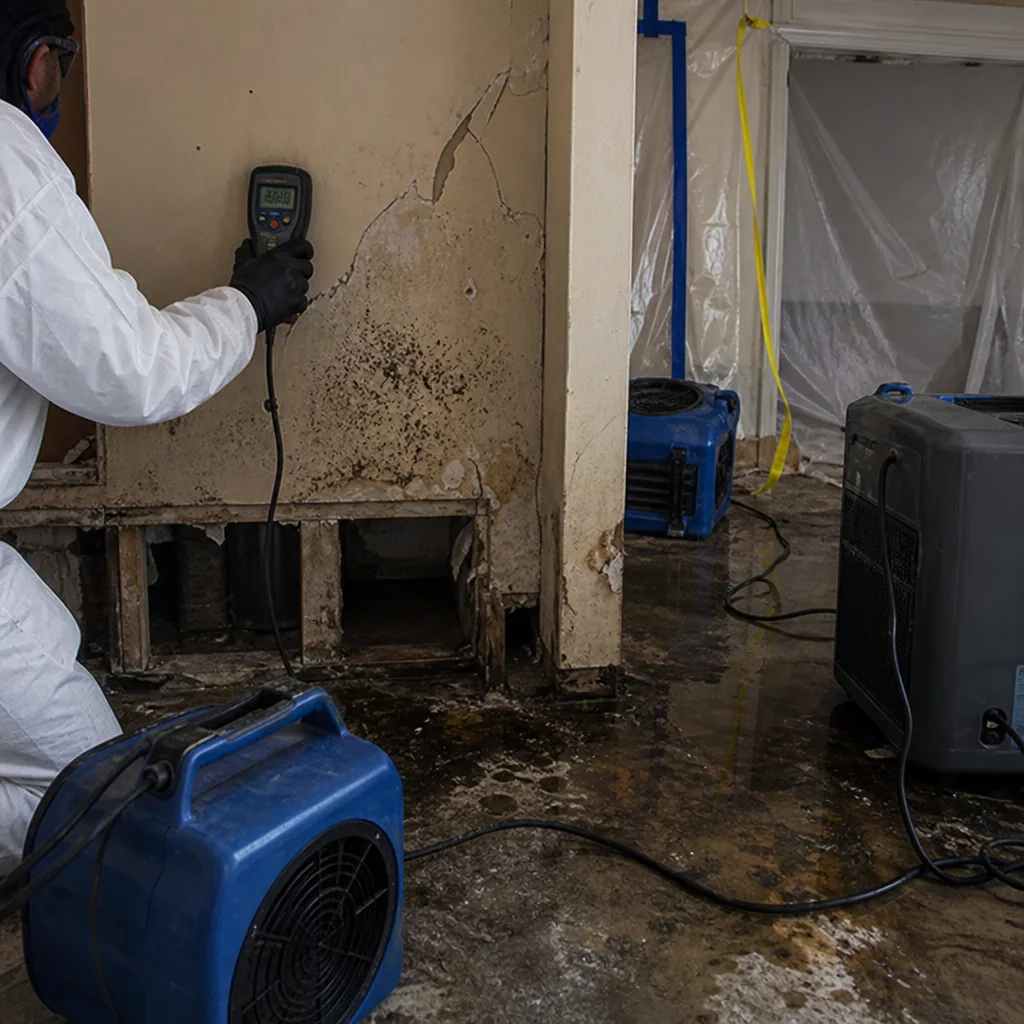 Before
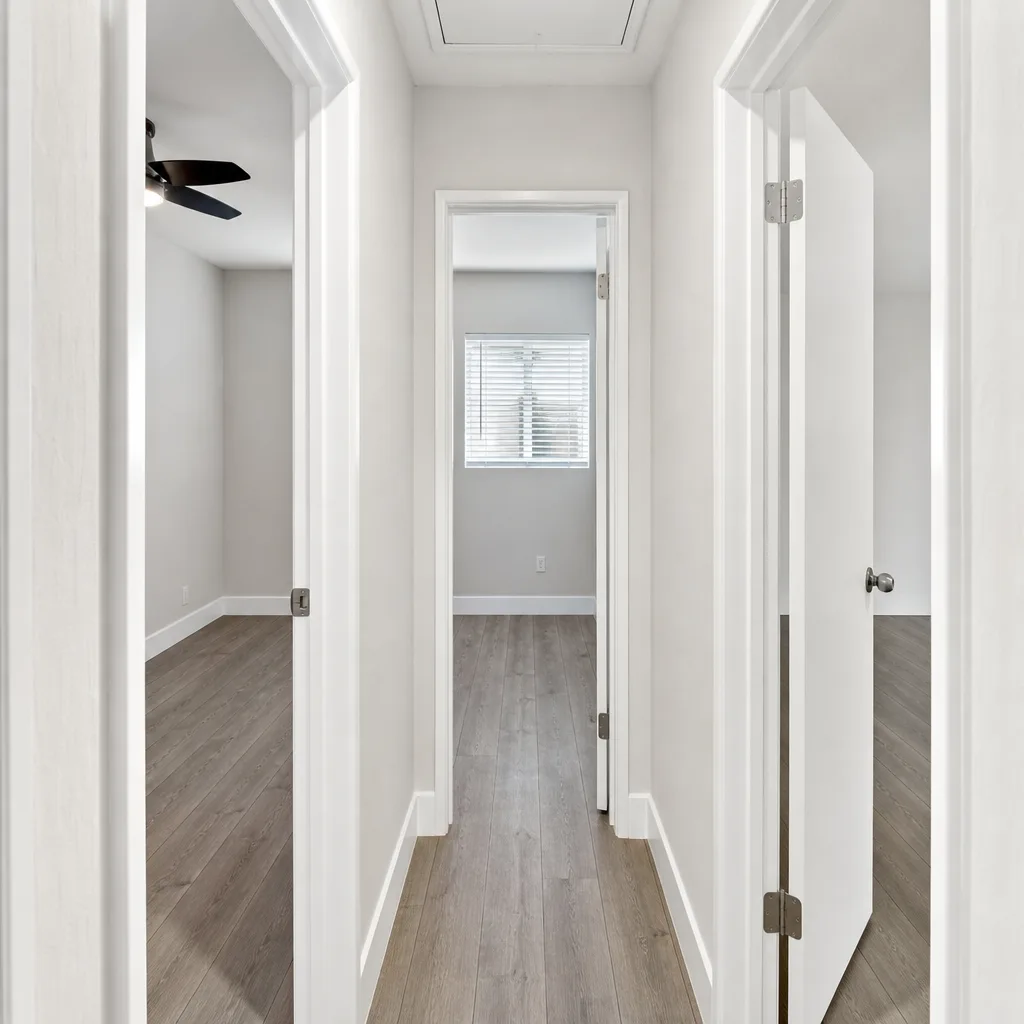 After
After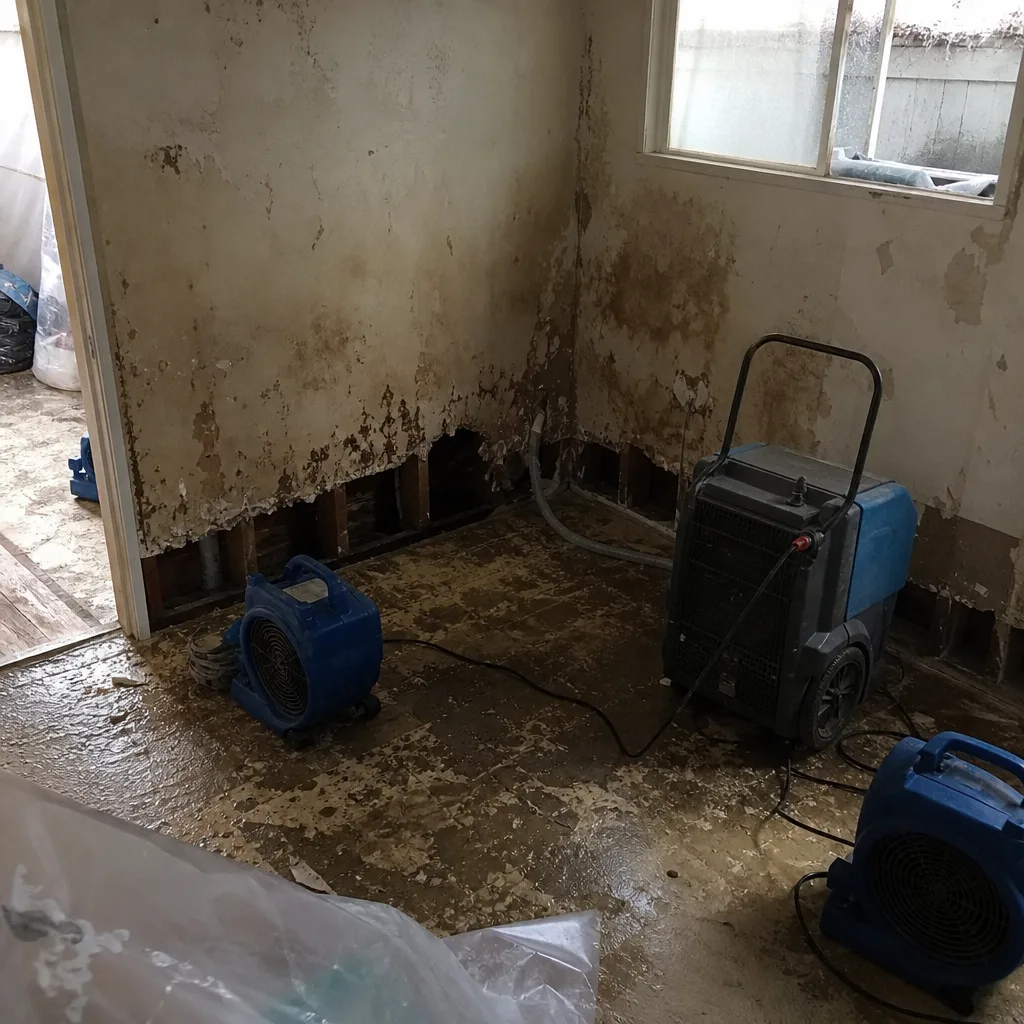 Before
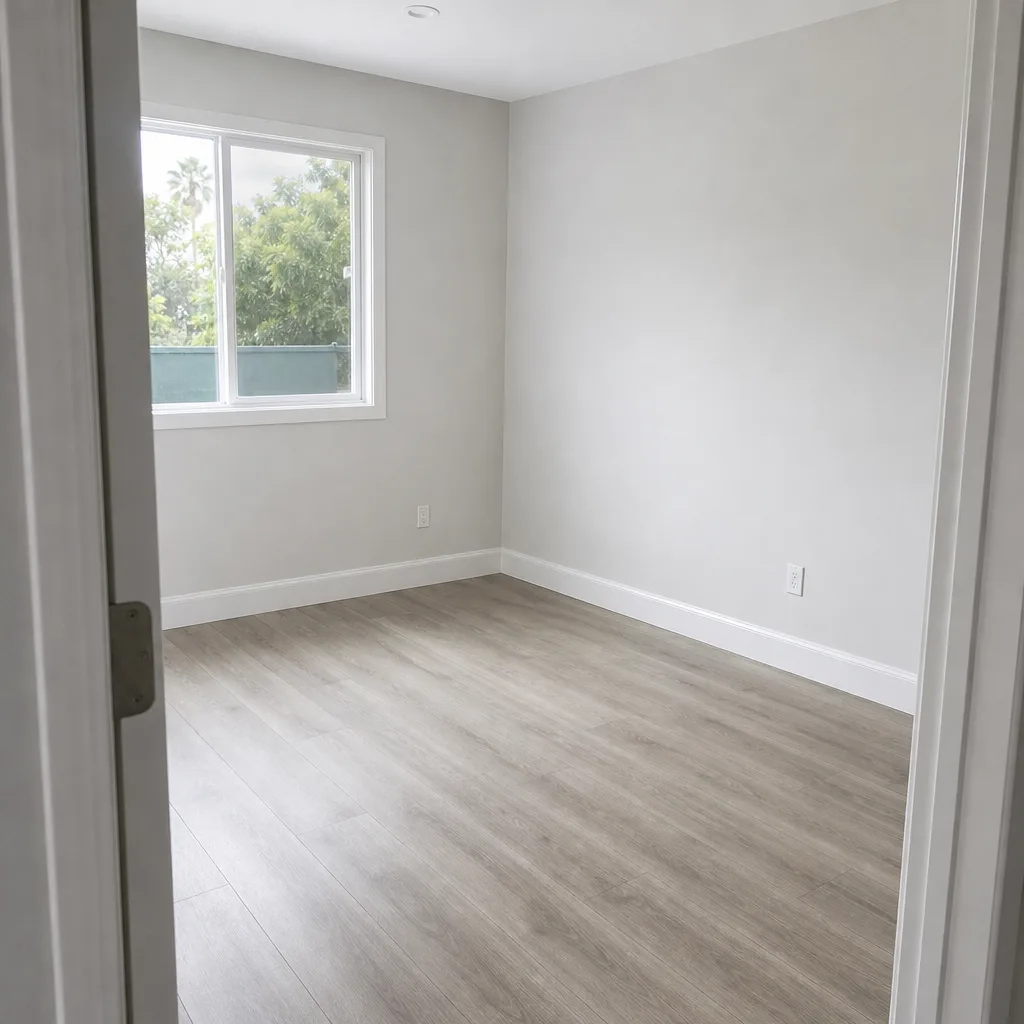 After
AfterEmergency Water Extraction in Long Beach, CA
Emergency water extraction in Long Beach typically costs between $450 and $1,200 for a single flooded room, and a crew can usually be on-site within 60 to 90 minutes of your call. That’s the direct answer. The longer explanation is that extraction is the first and most urgent step of any Water Damage Restoration in Long Beach job: pulling standing water out of your home before it soaks through drywall, under baseboards, and into subflooring where the real damage begins. Marsh Water Damage Long Beach runs extraction crews 24 hours a day, seven days a week, because a pipe that bursts at 2 a.m. in Belmont Shore does the same damage as one that bursts at noon.
If you’re standing in water right now, call (562) 999-7643. A live person answers. Not a voicemail, not a call center script, not a callback request. We’ll tell you who’s coming, when they’ll arrive, and what it will cost before a truck rolls.
Most homeowners in Long Beach don’t think about water extraction until they need it. Then they need it immediately. The neighborhoods matter here: older homes in home to Belmont Shore, Alamitos Heights, and Bixby Knolls sit on slabs or raised foundations where water behaves differently depending on construction era. A 1950s raised foundation in Los Altos lets water drain into crawlspace where it quietly rots floor joists. A 1980s slab home in El Dorado Park holds water at the surface, soaking drywall and carpet pad. Our crews know which is which before they arrive, because we work this city every day.
Since 2005, Marsh Water Damage Long Beach has been part of the Threshold Group family of restoration companies. That’s relevant for one reason: it means every technician who walks through your door has already passed a background check, had their identity verified, and been sent to you by name and photo before the visit. You’ll know exactly who is knocking. They’ll show a photo ID badge at the door. This is the Threshold Verified standard, and it applies to every visit we make, not just the first one.
Key Takeaways
- Cost: Most single-room extractions run $450 – $1,200 before drying equipment is set.
- Speed: We’re typically on-site within 60 – 90 minutes anywhere in Long Beach.
- Threshold Verified: Every tech is background-checked, identity-verified, and sent to you by name and photo before arrival.
- Written price: You get a written estimate before any work begins. No surprises after demo starts.
- 365-Day Done Right Promise: If the repair isn’t right within a full year, we return and make it right. In writing.
When You Need Emergency Water Extraction
Extraction is not the same as drying. Our Structural Drying & Dehumidification handles moisture that has already soaked into materials. Extraction removes standing water before it becomes soaked material. If there’s water you can see and it’s deep enough to splash, you need extraction first. In Long Beach, the most common calls we get are:
- Supply line failures: The braided steel hose behind a washing machine or under a sink gives out. These fail suddenly, and an open half-inch supply line can dump 6 to 10 gallons per minute. By the time you hear it, your laundry room floor is a pond.
- Water heater ruptures: Long Beach has hard water, and it shortens tank life. A 40-gallon water heater in a hallway closet on the second floor of a Naples Island home doesn’t just wet the floor. It sends water through the ceiling below, and gravity does the spreading for you.
- Dishwasher and refrigerator line breaks: Plastic fittings get brittle with age, especially in older kitchens where original supply lines were never upgraded. A slow leak behind the dishwasher saturates the cabinet base and floor before you ever see a puddle.
- Toilet overflows from backups: Long Beach’s flat terrain and aging sewer laterals in neighborhoods like Wrigley and Zaferia mean backups happen. When a toilet overflows, it’s not clean water. That’s category 2 or 3 water, and it needs extraction plus sanitization, not just a mop.
- Storm and flooding events: When a winter storm pushes water over the curbs in the lower-lying streets near the Los Cerritos Channel or along Ocean Boulevard, surface water finds its way into garages and sunken living rooms.
- AC condensate pan overflows: On humid Long Beach summer days, a clogged condensate line in an attic air handler can drip for days before the ceiling shows it. By the time you see the stain, the insulation above it is saturated.
If you’re dealing with any of these, the first move is to stop the source if you safely can. The second is to call us. The third is to resist the urge to rent a shop vac from a big-box store. Shop vacs leave water behind in padding, under baseboards, and trapped in subfloor layers. That’s where mold starts within 48 to 72 hours, and mold in a coastal climate like Long Beach’s is not a slow process. The marine layer keeps indoor humidity high even in summer, and wet materials stay wet longer here than they would in a dry inland climate.
Our Emergency Water Extraction Process
Here’s exactly what happens when you call us for emergency water extraction in Long Beach, step by step. This is the same process our crews follow on every job, whether it’s a 200-square-foot condo bathroom or a 2,000-square-foot single-family home.
- You call, a person answers. We mean this literally. When you dial (562) 999-7643 at any hour, a live person picks up. We ask where the water is, what the source was, and what you’re seeing. Then we give you an estimated arrival window and the name of the technician who is coming. That’s the Threshold Verified standard in action: you’ll get their name and photo sent to your phone before they leave our facility.
- The truck arrives. Our extraction van carries truck-mounted extraction units and portable extractors from Dri-Eaz, the same equipment used on large commercial losses. The tech arrives in uniform, introduces themselves by name, and shows a photo ID badge at the door before stepping inside. You check the badge against the photo you were sent. If it doesn’t match, they don’t enter. That has never happened, but the policy exists for a reason.
- Assessment and source check. The tech locates the source and confirms it’s stopped. If a shutoff valve is still open, they’ll close it. They’ll identify what category of water we’re dealing with: category 1 is clean water from a supply line, category 2 is gray water with some contamination, category 3 is black water from sewage or outside flooding. The category determines what gets extracted, what gets discarded, and what gets sanitized.
- Standing water extraction. Using truck-mounted or portable extractors, we remove the water. This is loud, fast, and thorough. In a typical 200-square-foot flooded room with an inch of standing water, extraction takes 30 to 45 minutes. We extract from carpet, hard flooring, and the layers beneath. For hard floors, we check the subfloor and know whether the water reached it, because wood subfloor in a beach climate doesn’t forgive hidden moisture.
- Moisture mapping. Before we leave, or while extraction proceeds, we take psychrometric readings (measuring the moisture in the air) and use moisture meters to map exactly how far water traveled through walls, baseboards, and flooring. You can’t dry what you haven’t found. In Long Beach homes with stucco exteriors, water often wicks up inside walls where you’d never see it from the outside.
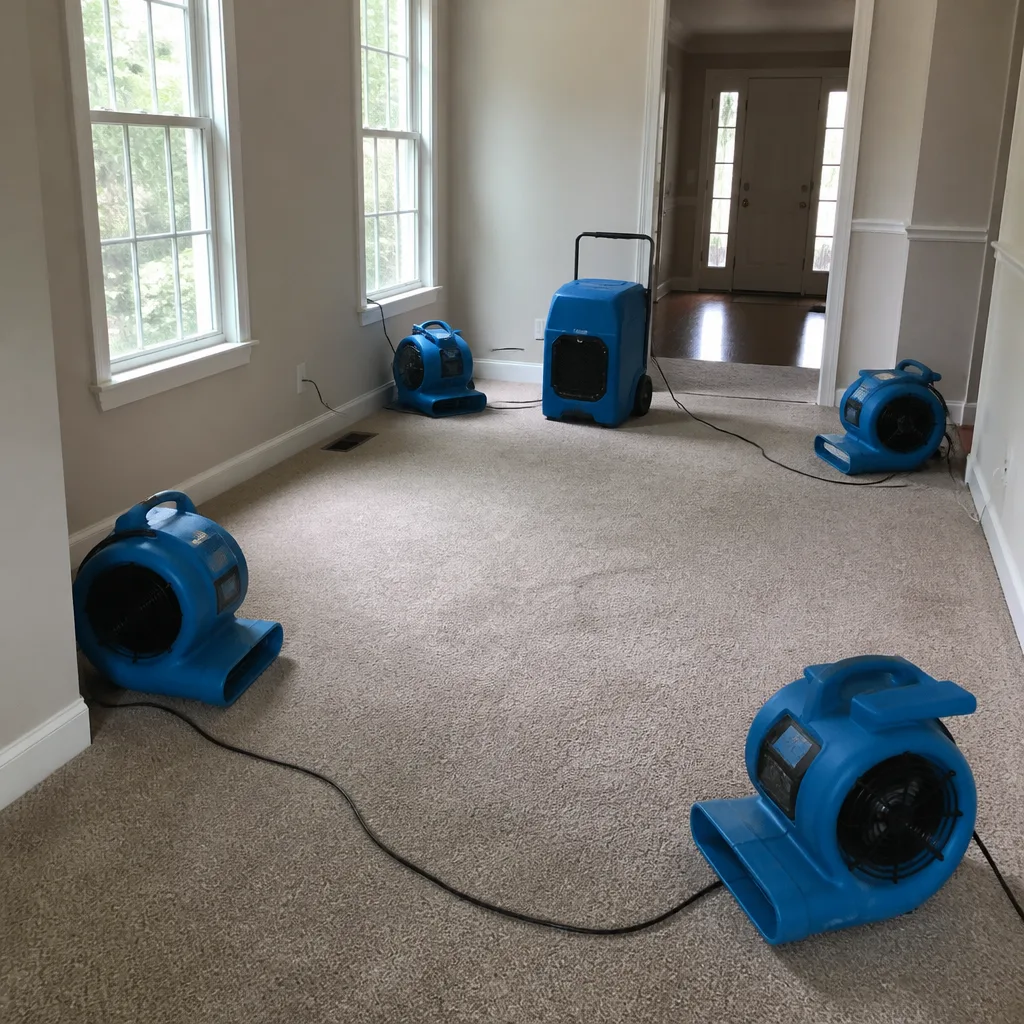
- Drying equipment goes in. Extraction is not the end. After the standing water is gone, the materials are still wet. We deploy air movers and dehumidifiers, and we give you a written plan for how long drying will take, typically three to five days. We don’t leave equipment without explaining what it does, what it costs, and when we’ll be back to check progress.
One note on safety: if the water has contacted electrical outlets, appliances, or your breaker panel, do not enter the room. Shut off power at the breaker if you can reach it without stepping into water. Otherwise, wait for us. A flooded room with live circuits is a genuine hazard, and no amount of urgency is worth an electrocution. We will shut off what needs to be shut off when we arrive.
The equipment we run isn’t rented from a hardware store. We use extractors and air movers from Dri-Eaz and Phoenix, and our technicians hold credentials through the IICRC, RIA, and IFA, the restoration industry’s recognized training bodies. The reason that matters: extraction is not just removing water. It’s knowing how much water is left in materials that look dry on the surface, and that knowledge is what keeps a small leak from becoming a mold claim six months later.
Emergency Water Extraction Pricing in Long Beach
Here’s How Much Does Water Damage Restoration Cost? (2026 Price Guide) - Long Beach, CA, in plain numbers. Not a bait range designed to get us in the door. These are the actual numbers our Long Beach customers see.
- Single room, clean water, accessible: $450 – $700. This covers a supply line break in a bathroom, laundry room, or kitchen with standing water confined to one room and no sewage contamination.
- Two to three rooms or a larger area: $700 – $1,200. This covers water that has spread through a hallway, into a closet, or under multiple rooms of continuous flooring.
- Category 2 or 3 water (gray or black water): $800 – $1,500. Contaminated water requires additional safety protocols, sanitization, and often more aggressive extraction because everything the water touched must be either properly cleaned or removed and discarded.
These ranges do not include Flood Cleanup drying equipment, which is billed as a separate line item, or any repairs to flooring, drywall, or cabinetry. What affects the final price? The square footage of standing water, the water category, how long the water has been sitting, and whether the water reached walls or soaked into hardwood. A water heater rupture on the second floor with water running through ceiling joists costs more than a first-floor supply line break caught within 10 minutes.
Before any extraction begins, you get a written price. Not a verbal estimate, not a range that mysteriously grows once demo starts. A written price, printed on the work order we hand you. If the scope changes because we find hidden damage, we stop, show you what we found, and get your sign-off on a written change order before proceeding. We don’t do “surprise” additions.
Most homeowner’s insurance policies cover water extraction from a sudden and accidental event, like a burst pipe or a failed supply line. We can help you document everything for your claim: photos, moisture readings, and a line-item breakdown of what was done and why. If you’re paying out of pocket, the written price still applies. The number we quote is the number you pay for the work quoted.
Call (562) 999-7643 for a free estimate. We’ll talk through what you’re seeing, give you a realistic price range over the phone, and tell you exactly who’s coming out.
FAQs – Emergency Water Extraction
Can you come today?
Yes. We run emergency response crews 24/7 and typically arrive within 60 to 90 minutes anywhere in Long Beach, from Downtown to Naples Island to Bixby Knolls. A live person answers the phone at all hours, and we’ll give you an arrival window and the technician’s name and photo before they leave our door. Call (562) 999-7643 now if you need us.
How much does emergency water extraction cost in Long Beach?
Most single-room extractions in Long Beach run between $450 and $700 for clean water, and between $800 and $1,500 if the water is contaminated. The final price depends on the square footage, the water category, and how far the water has traveled. You’ll receive a written price before any work begins, and we don’t start anything without your signature on that number. Call (562) 999-7643 for a free phone estimate.
How long does water extraction take?
For a typical 200-square-foot room with standing water, extraction itself takes 30 to 45 minutes. The full job, including moisture mapping and drying equipment setup, usually takes two to three hours on-site. Drying continues for three to five days after we leave, with the equipment running and us returning to check your moisture readings. We don’t call the job done until the materials are actually dry, not just dry on the surface.
Is water extraction covered by homeowners insurance?
In most cases, yes, if the water came from a sudden and accidental event like a burst pipe, a failed supply line, or a storm that damaged your roof. Gradual leaks, like a slow drip under a sink that’s been running for months, are often not covered because insurers view that as a maintenance issue. We’ll document everything for your claim and give you the paperwork your adjuster needs. Call (562) 999-7643 and we’ll walk you through what to ask your insurer.
Marsh Water Damage Long Beach serves all of Long Beach, including Belmont Shore, Naples Island, Alamitos Heights, Bixby Knolls, Wrigley, El Dorado Park, and Downtown. We answer every call with a live person, 24 hours a day, 7 days a week. Call (562) 999-7643 for emergency water extraction or a free estimate.
Written by Tobias Reyner, Owner at Marsh Water Damage Long Beach, serving Long Beach.