
Last updated October 16, 2026
 Water damage drying
 Fire & smoke cleanup
 Mold remediation
 Storm response
 Sewage cleanup
 Reconstruction
Free visual inspection and a written scope of work before any mitigation begins - photos, moisture readings, and drying logs go in your claim file
The scope we write is the scope we bill. Anything new gets shown to you, in writing, before we touch it.
Get your free estimateDIY vs Professional Damage Restoration: The Long Beach Homeowner’s Decision Guide
Here’s a number that surprises most Long Beach homeowners: a consumer-grade dehumidifier rented from a big-box store pulls about 30 pints of moisture from the air per day. A single industrial low-grain refrigerant (LGR) dehumidifier pulls 130 pints. In a typical Long Beach living room with water damage, you need 90-plus pints removed daily just to stay ahead of mold activation. That math doesn’t work with rental gear, and it’s the quiet reason most DIY dry-outs fail within 72 hours. This guide will show you exactly where the DIY line is, what happens when you cross it, and how to make the call without regret; for more guides & resources, see our blog.
Quick Answer
For most Long Beach water damage beyond a small spill on tile, professional restoration is the safer financial decision, as covered in our step-by-step guide to hiring a damage restoration contractor in Long Beach. DIY is genuinely appropriate only when you’re dealing with under 10 square feet of clean water on non-porous surfaces, no wall or subfloor penetration, and indoor humidity below 60%. Everything else involves moisture physics that consumer equipment cannot overcome, and in Long Beach’s coastal humidity, the mold clock starts within 24 to 48 hours.
Restoration work we handle
Table of Contents
- The Three Water Categories: Why What Soaked Matters More Than How Much
- Long Beach Humidity and the Mold Clock: Why Your Timeline Is Shorter Here
- The One Narrow Scenario Where DIY Genuinely Works
- The Equipment Gap: What You Can Rent vs. What Professionals Deploy
- What to Do in the First Two Hours Before Help Arrives
- The Hidden Cost of a Failed DIY Attempt
- Insurance and DIY: What Your Carrier Expects, and What Voids Coverage
- The Legal Liability Question When Selling a Home After DIY Remediation
The Three Water Categories: Why What Soaked Matters More Than How Much
Before you grab a towel or call anyone, you need to know what kind of water you’re dealing with. The restoration industry uses three classifications, and they determine whether DIY is legal, safe, or a serious mistake. In our experience in Long Beach, many homeowners don’t learn these categories until a claim is already open, and by then the wrong response has already been set in motion.
Category 1: Clean water. This comes from a broken supply line, a failed water heater, or an overflowing sink with no contaminants. It’s safe to handle. If the affected area is small, the surfaces are non-porous, and you catch it within hours, this is the only category where DIY extraction has a legitimate place.
Category 2: Gray water. This is water with significant contamination: washing machine overflow, dishwasher discharge, toilet overflow with urine but no feces, aquarium leaks. It carries bacteria and nutrients that accelerate microbial growth. DIY cleanup of Category 2 water without proper disinfection and drying leaves behind a biological time bomb. You can mop it up, but you cannot make it safe without professional antimicrobial treatment and drying verification.
Category 3: Black water. This is sewage, floodwater from outside, rising groundwater, or any water that has sat long enough to be colonized by pathogens. Category 3 water carries bacteria, viruses, parasites, and fungi. In California, the cleanup of Category 3 water in a residence is regulated. Porous materials that contact black water (carpet, drywall, insulation, upholstery) must be removed and disposed of. DIY attempts at black water cleanup create a health and legal problem that compounds with every passing hour.
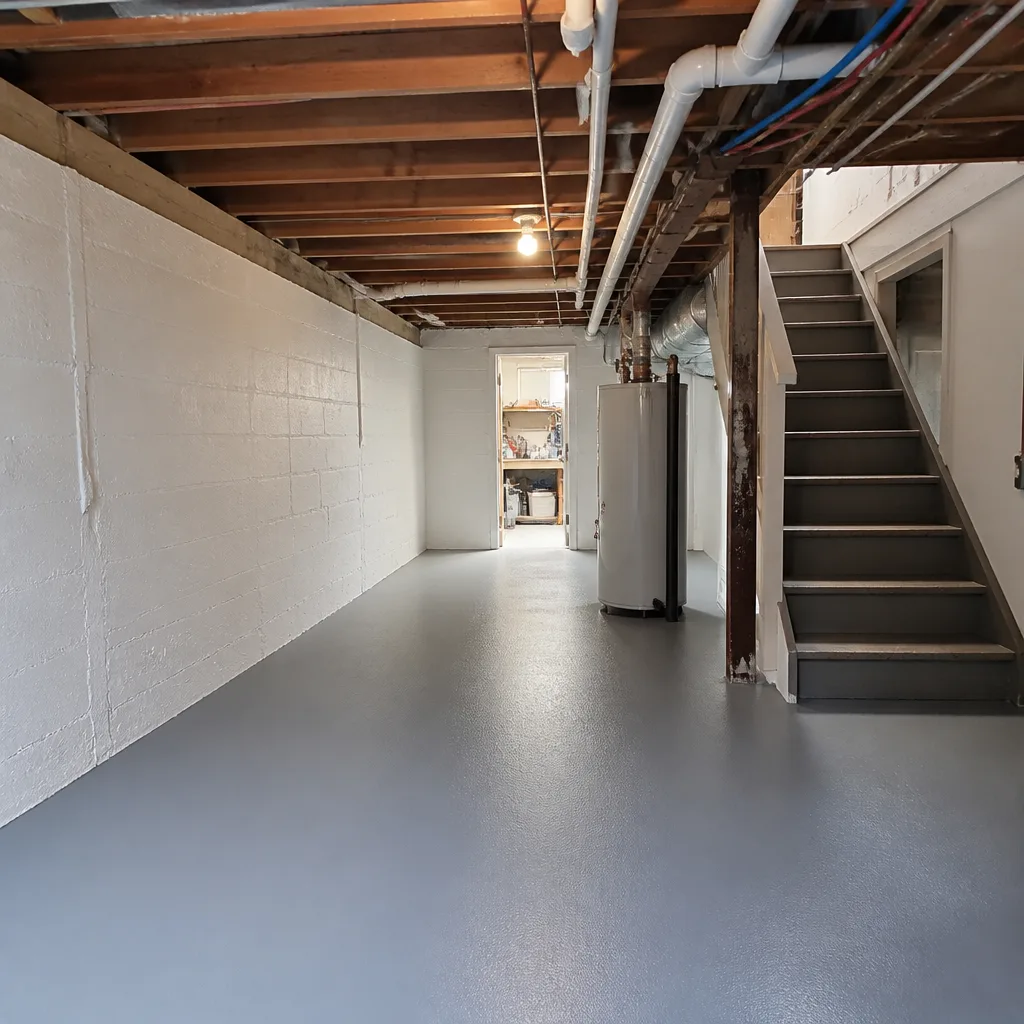
A basement that took on storm surge in Long Beach isn’t a wet floor. It’s a Category 3 loss, and the right response is containment, extraction with appropriate PPE, and removal of affected porous materials, not a rented carpet cleaner and a fan.
Long Beach Humidity and the Mold Clock: Why Your Timeline Is Shorter Here
Long Beach sits in a marine layer zone, which is why seasonal damage restoration care matters year-round. Average relative humidity runs between 60% and 75% most mornings, even in summer. Mold spores begin to activate and colonize at around 60% relative humidity on wet organic surfaces. That means the air in your home, before any water damage occurs, is already hovering near the threshold where mold wakes up.
Now add water. A soaked carpet on a slab floor in a Long Beach home built in the 1950s or 1960s is sitting in an environment where the ambient air itself is a secondary moisture source. Even after surface extraction, the air keeps feeding moisture back into the materials. Professional drying uses low-grain refrigerant dehumidifiers and high-velocity axial air movers to force moisture out of materials and capture it before the room’s ambient air can re-deposit it. That’s called psychrometric drying, which is a technical way of saying we measure the moisture in the air and in the materials, then engineer the room’s environment so water moves from the structure into the air, then out of the building, as fast as physics allows.
The mold colonization window in a normal inland city is about 48 hours. In Long Beach, with our morning marine layer and high ambient humidity, we’ve seen visible mold on wet drywall in under 36 hours. That’s not a harsh warning. It’s a measured observation from thousands of local losses. The margin for error on a DIY dry-out is narrower here than in Anaheim or Riverside. If your DIY attempt runs long by even one day, you may have added a mold remediation project to a water extraction project, and the cost difference is not small.
The One Narrow Scenario Where DIY Genuinely Works
We want to be direct about this: there is a scenario where we tell clients not to call us. Not many, but one specific set of circumstances where a homeowner with a mop, a few towels, and a box fan is the right response.
That scenario is: under 10 square feet of surface moisture, from clean water only, on non-porous materials like tile, vinyl plank, or sealed concrete, with no wall penetration, no subfloor access, and no standing water. The room’s relative humidity is under 60%. You caught it within an hour. The floor has no seams that let water reach the underlayment.
If all of those conditions are true, here is the correct DIY protocol:
- Turn off the water source. If it’s a supply line, close the shutoff valve at that fixture. If you don’t have a local shutoff, close the main.
- Extract with a wet-dry vacuum, not towels. Towels push water into grout lines and seams.
- Run a household dehumidifier and a box fan pointed at the floor for 24 hours.
- Check the affected area with a moisture meter from a rental counter. Materials should read below 16% moisture content.
- If after 24 hours the area reads above 16% or you smell any mustiness, stop. Call a professional immediately. You are now out of DIY territory.
Any scenario larger than this, any scenario involving carpet, drywall, or wood, and any scenario involving Category 2 or 3 water sits outside the DIY envelope. The reasons are physical, not commercial. Water on porous materials migrates horizontally by capillary action in all directions, not just the visible patch. A carpet that looks wet in a 4-foot circle is typically wet in a 6-to-8-foot circle beneath the surface, plus an invisible ring of moisture in the pad and subfloor. You cannot dry what you cannot see without the measurement tools professionals use, and you cannot know it’s dry without verifying it, not guessing.
The Equipment Gap: What You Can Rent vs. What Professionals Deploy
The equipment gap isn’t about having better tools. It’s about having tools that can do the job at all. Here is an honest comparison between what a typical Long Beach rental counter offers and what a water damage restoration crew in Long Beach brings to a job.
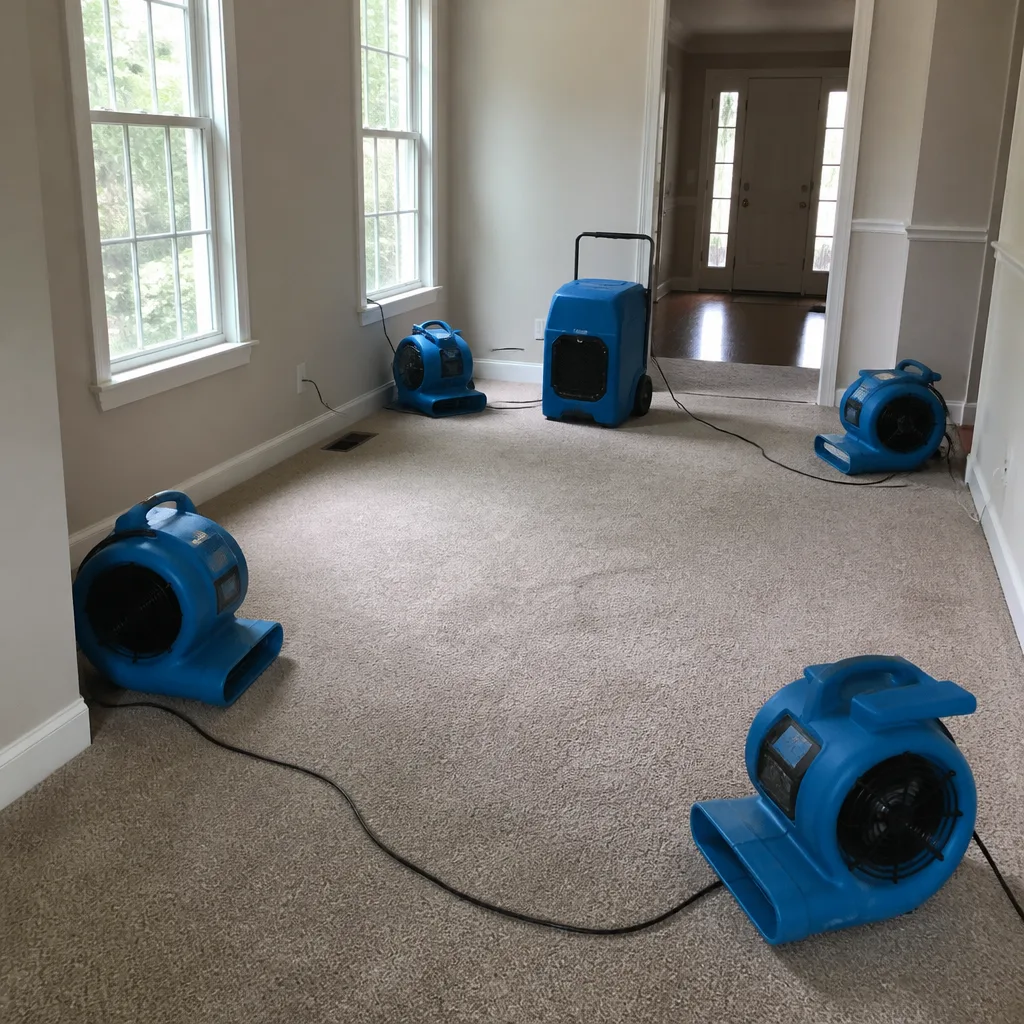
Dehumidifiers. The standard rental dehumidifier is a residential-grade refrigerant unit pulling 30 to 50 pints per day under ideal conditions. In a cool room, that number drops sharply. A professional LGR dehumidifier from Dri-Eaz or Phoenix pulls 130 to 150 pints per day, even in temperatures below 70 degrees and humidity below 50%. A single professional unit can remove the moisture load of three rental units working in parallel. A two-bedroom Long Beach apartment with a flooded bedroom may require three or four LGR units and a half-dozen air movers. The rental counter math collapses quickly.
Air movers. A box fan moves air in one direction at about 1,500 to 2,000 cubic feet per minute (CFM). A professional axial air mover from XPOWER or B-Air moves 3,000 to 4,000 CFM and is designed to direct air across a floor at the precise angle that lifts moisture out of material. The difference is not fancier branding. It’s the velocity at the material surface, which is what drives evaporation.
Extraction. A rented wet-dry vacuum extracts maybe 60% of the water from carpet. A professional truck-mounted or portable extraction system from Injectidry removes 90% or more before drying systems are even placed. Every gallon of water left behind is a gallon the dehumidifier has to pull from the air, which is slower and less effective than extracting it in liquid form.
Moisture measurement. This is the invisible gap. A professional restoration tech carries a non-invasive moisture meter, a thermo-hygrometer, and in many cases a penetrating meter. These tools verify that the structure is dry, not just that the surface feels dry. Without them, a homeowner is guessing, and the guess that fails means mold behind baseboards or under flooring that you won’t see for weeks. The Marsh Water Damage Long Beach home team uses these tools on every job, and they’re the same tools we use to verify our work before we call it done.
What to Do in the First Two Hours Before Help Arrives
If you call us for water damage in Long Beach, a live person answers the phone. We will give you the same first-two-hours instructions while a crew is on the way. Here they are, so you can start immediately.
- Stop the water source. If you can safely reach a shutoff, do it. If the water is from a burst supply line, the shutoff is usually behind the toilet or under the sink. If it’s from a storm, close doors and windows on the windward side of the house.
- Kill the power to the affected area only if the water is near outlets or electrical appliances. Don’t touch your breaker panel if you have to stand in water. Call an electrician or wait for the restoration crew, who will do a safety check before extraction begins.
- Move small items to higher ground. Furniture legs, books, rugs, electronics. If you can lift it without hurting yourself, move it. Don’t move a soaked carpet or pad. That’s a professional job, and pulling it wrong can tear seams or spread contaminated water.
- Take photos. Wide shots of each room, close-ups of the source, video if possible. This is your insurance documentation regardless of whether you proceed with a professional mitigation or a DIY effort. Carriers look for documentation showing the condition before anything was moved or extracted.
- Do NOT run your HVAC system. This is counterintuitive and important. Your furnace or AC blower will pull moisture from the affected area and distribute it through your ductwork. That spreads spores and humidity to rooms that were dry. It’s one of the most common actions we see that actively makes the job harder and more expensive.
- Do NOT apply bleach to visible mold. Bleach on porous materials (drywall, wood, grout) does not kill the root structures, it bleaches the surface and leaves water behind, which feeds the colony. It also makes professional treatment less effective because the surface inflammation is masked.
The Hidden Cost of a Failed DIY Attempt
The most expensive words we hear in Long Beach are “we tried to dry it ourselves for a few days.” Not because the effort was lazy, but because the delay triggered a second, larger loss. Here’s the math, based on what we see locally.
If a professional extraction begins within 12 hours of a clean-water event in a typical Long Beach one-story home, the scope is usually: extraction, equipment placement, 3 to 4 days of drying, final verification, and departure. The cost for the mitigation portion of the project sits between $2,500 and $5,000 before any rebuild, depending on square footage and the number of rooms. Insurance typically covers this under standard dwelling policies.
If that same event is left to DIY drying for 72 hours and then professional help is called, the scope typically expands to include: all of the above, plus mold assessment, antimicrobial treatment, removal of any mold-colonized materials, extended drying, and possible rebuild of affected drywall and baseboards. The cost now sits between $8,000 and $15,000. Two things happened in that 72-hour window: the water migrated deeper into the structure, and mold activated in the dark, humid cavities where you couldn’t see it.
At 96 hours, the cost shifts again. The affected materials are now likely colonized, the air in the room contains elevated spore counts, and containment is required during remediation. Containment itself (poly sheeting, negative air machines, HEPA filtration) adds $2,000 to $4,000 before any actual remediation work begins. A 48-hour delay in calling a professional can triple the final bill, and in a coastal environment like Long Beach’s, the mold clock moves faster than the national average.
The DIY attempt that “almost worked” doesn’t save money. It transfers cost from the mitigation line item to the remediation line item, and remediation is always more expensive and more invasive. Every time we say this to a homeowner, we sound like we’re selling urgency. We’re not. We’re selling physics, and physics is not open to negotiation.
Insurance and DIY: What Your Carrier Expects, and What Voids Coverage
Standard California homeowner policies cover sudden and accidental water damage, including mitigation and drying, subject to the deductible. What many policyholders don’t know is that the carrier’s obligation is contingent on the policyholder’s duty to mitigate further damage. That duty means you must take reasonable steps to prevent the loss from getting worse. You do not have to perform the drying yourself, and in fact, carriers expect professional mitigation for any loss beyond a small spill.
If you choose to do significant DIY mitigation work and the loss worsens, the carrier may ask hard questions. Specifically: what equipment did you use, what documentation do you have, who recommended the approach, and why was professional mitigation deferred? If the answer is “we rented a dehumidifier from Home Depot and ran it for a weekend,” and the subsequent repair estimate includes mold remediation, the carrier may take the position that the additional damage occurred due to inadequate mitigation, not the original covered event. That is a claim denial or partial denial in the making.
If you insist on doing any self-remediation, create documentation that would survive a claim review:
- Time-stamped photos and video of the affected area before any work begins
- A written log of what you did, when, with what equipment, and the readings from any moisture meter you used
- Retain receipts for any equipment rental, and the model numbers of those machines
- Record temperature and humidity readings from a digital hygrometer (under $30 at any big-box store) every 8 hours
- If you call a professional after attempting DIY, say so immediately and show the documentation. Hiding the DIY attempt makes the situation worse, because the professional’s scope and the carrier’s questions will both be clouded by the gap in the timeline
Certain actions void restoration coverage outright under most California policies: intentional acts, neglect, failure to maintain the property, and long-term leaks that were known and ignored. A slow leak under a bathroom sink that you noticed six months ago and did not address is a maintenance issue, not a covered loss. A supply line that bursts suddenly is covered. The distinction matters, and it’s one of the first questions a storm damage restoration service in Long Beach will ask because it determines whether you should even involve the carrier at all.
The Legal Liability Question When Selling a Home After DIY Remediation
California Civil Code requires sellers to disclose known material facts that affect the value or desirability of the property. That includes water damage and mold, and the standard disclosure forms ask specifically about past leaks, flooding, and moisture issues. If you do a DIY mold remediation or a DIY water dry-out that appears successful but leaves hidden moisture, and you later sell the home, you may be signing a disclosure form that either reveals the issue and reduces the sale price, or conceals it and exposes you to a post-sale lawsuit.
In our experience in Long Beach, home sales fall into two categories on this front: the owners who kept receipts and a professional report showing the mitigation was performed to industry standard, and the owners who have no paper trail and have to disclose a “previous water issue” with no supporting documentation. The first group sells at market value. The second group discounts the sale, sometimes significantly, because the buyer’s inspector finds moisture where it wasn’t disclosed and the deal stalls.
Professional restoration provides a defensible, documented record: extraction notes, drying logs, moisture readings, equipment placement diagrams, and a final certificate of completion. That record is worth significantly more than the cost of the mitigation when you sit across from a buyer’s agent who asks, “What happened here, and how do we know it’s dry?” The mold remediation process in Long Beach generates the kind of third-party documentation that holds up under a disclosure review, and that’s a benefit many homeowners don’t price into the DIY calculation.
Common Mistakes to Avoid
- Running the HVAC to “help dry things out.” Your central air system pulls moisture from the affected area and distributes it through every duct, spreading humidity and spores to dry rooms. We see this in Long Beach homes more than any other single mistake.
- Waiting to call until “we see if it dries on its own.” In Long Beach’s coastal humidity, the mold clock doesn’t wait. A 48-hour delay can add mold remediation to a water extraction job, and the cost difference is measured in thousands, not hundreds.
- Using bleach on visible mold. Bleach on drywall or wood bleaches the surface while adding water to the material, which feeds the colony below. It also makes professional treatment harder because the visible signal is masked.
- Pulling up carpet without understanding the pad and subfloor. Wet carpet is heavy, and tearing it wrong can damage seams, spread contaminated water, and release mold spores from the pad into the air. Leave the pulling to a team that knows how the layers separate.
- Assuming a small visible stain means small hidden damage. Water travels horizontally through porous materials. A 2-foot visible stain on a baseboard often means a 4-to-6-foot moisture path inside the wall cavity and under the floor. You’re seeing the tip of the wetness, not the whole thing.
- Delaying the call because you’re worried about the sales pitch. This is the fear most Long Beach homeowners tell us about after the fact. A written price before any work starts is not a sales tactic; it’s the standard a legitimate restoration company commits to on every job. If a company won’t put the scope in writing before starting, that’s the company to avoid, not the industry to fear.
- Filing an insurance claim before understanding the deductible and the cause. If the cost of mitigation is close to your deductible, filing a claim may not be in your interest. A professional assessment can tell you the likely scope before you involve the carrier, which is information you want before you pick up the phone.
See the difference
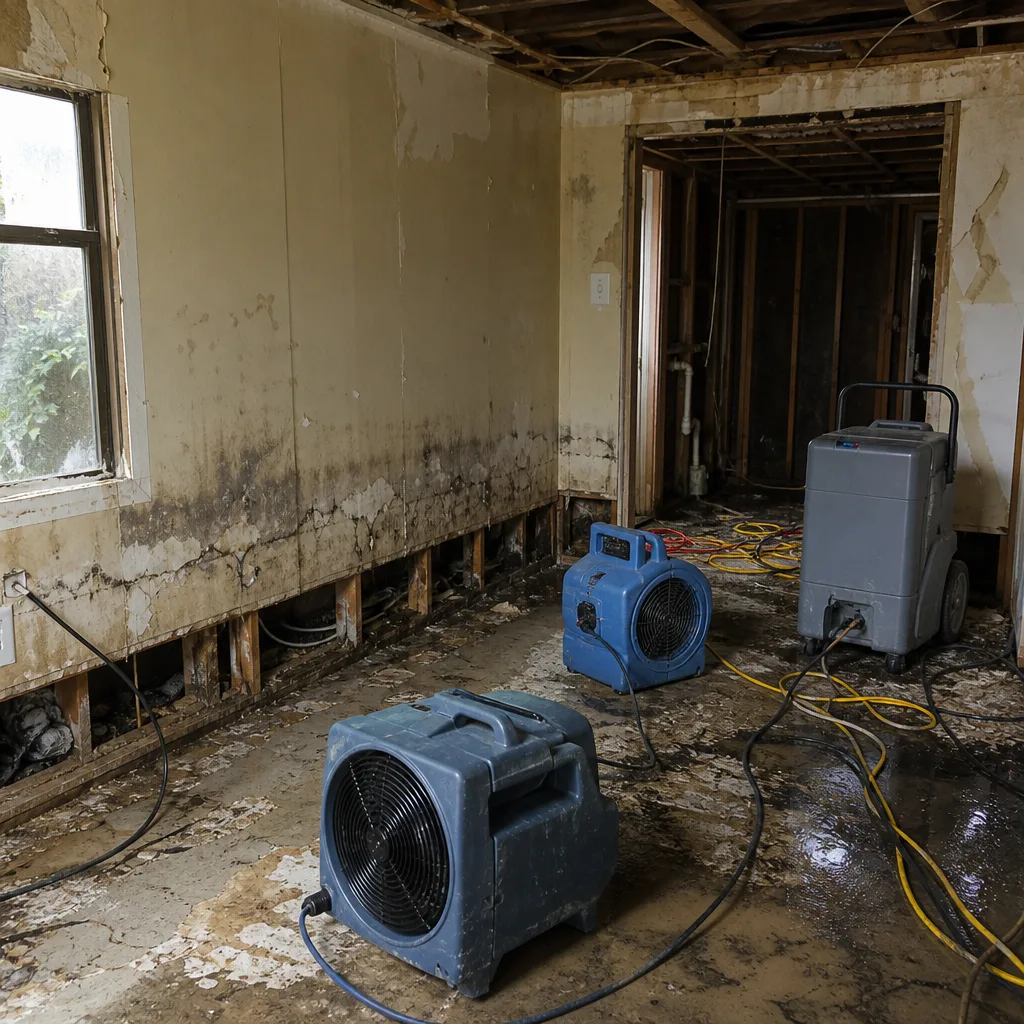 Before
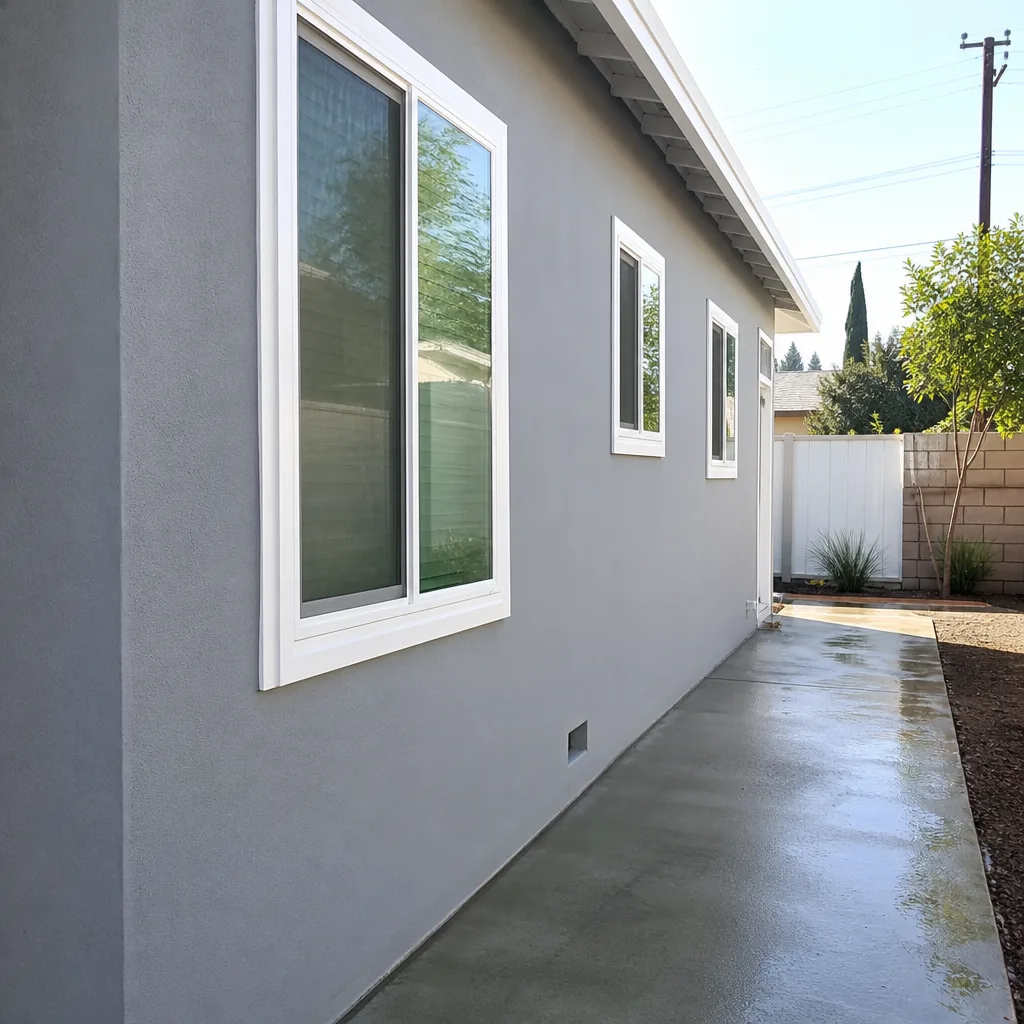 After
After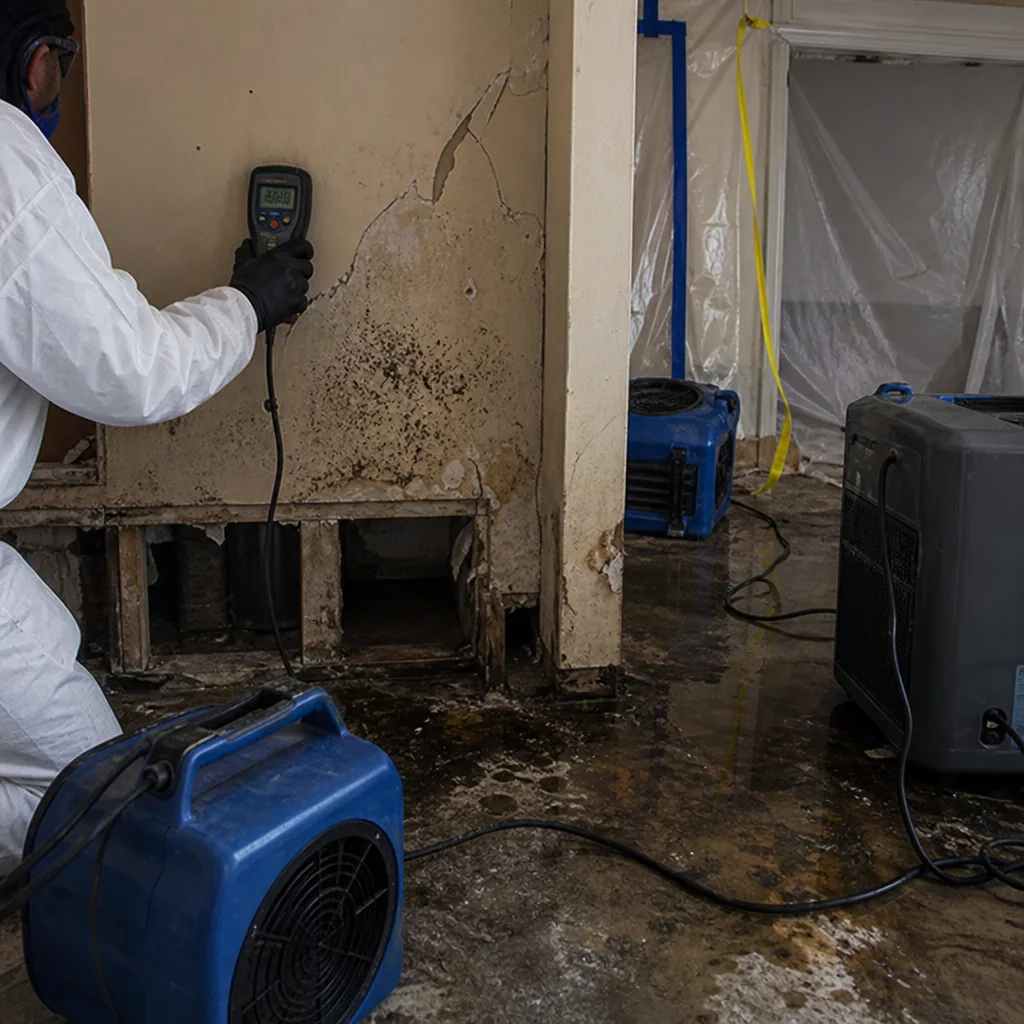 Before
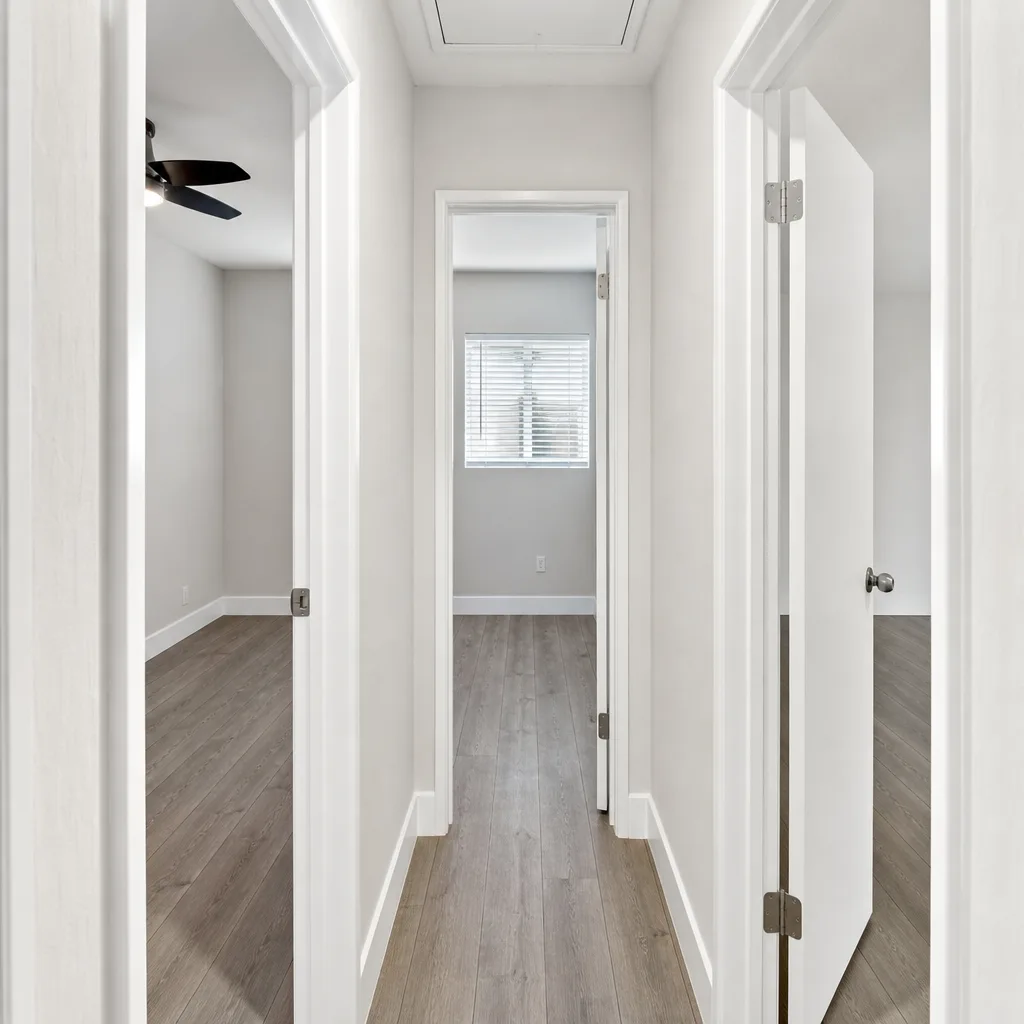 After
After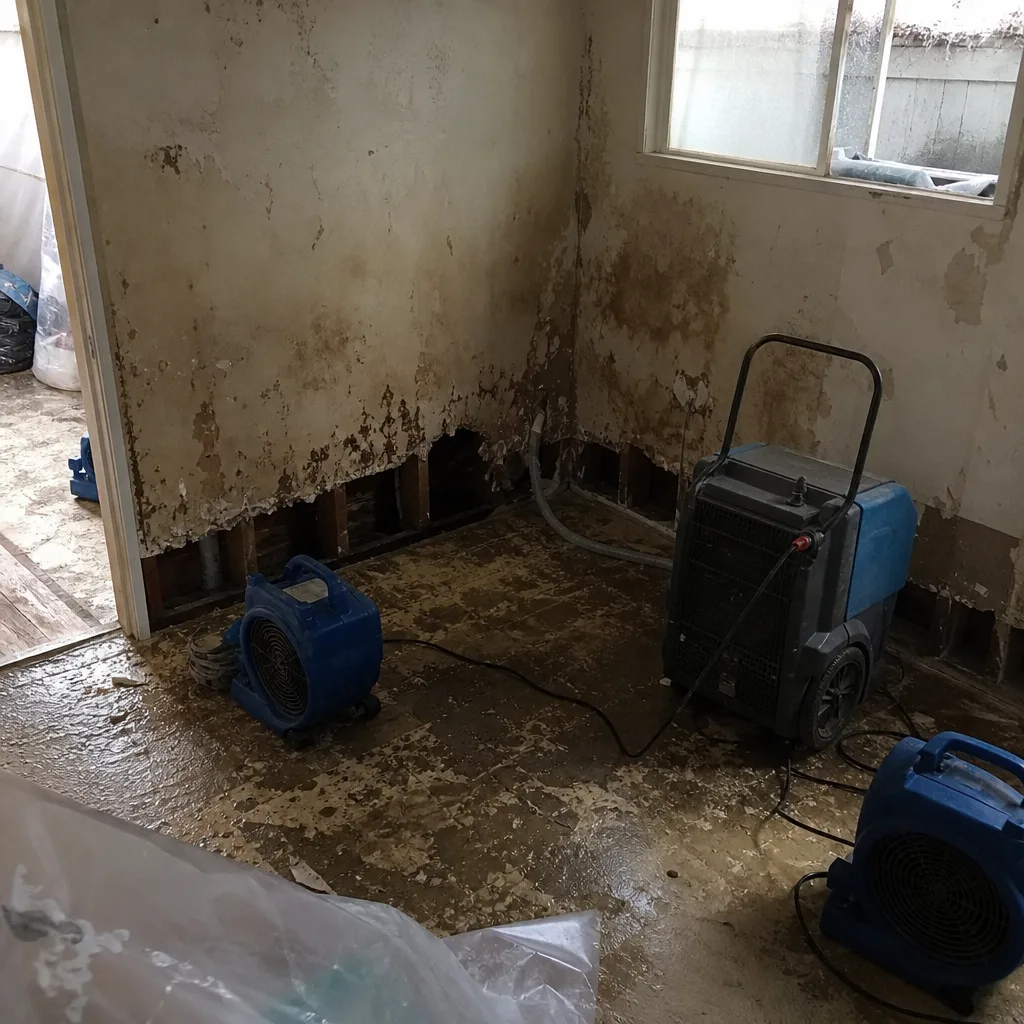 Before
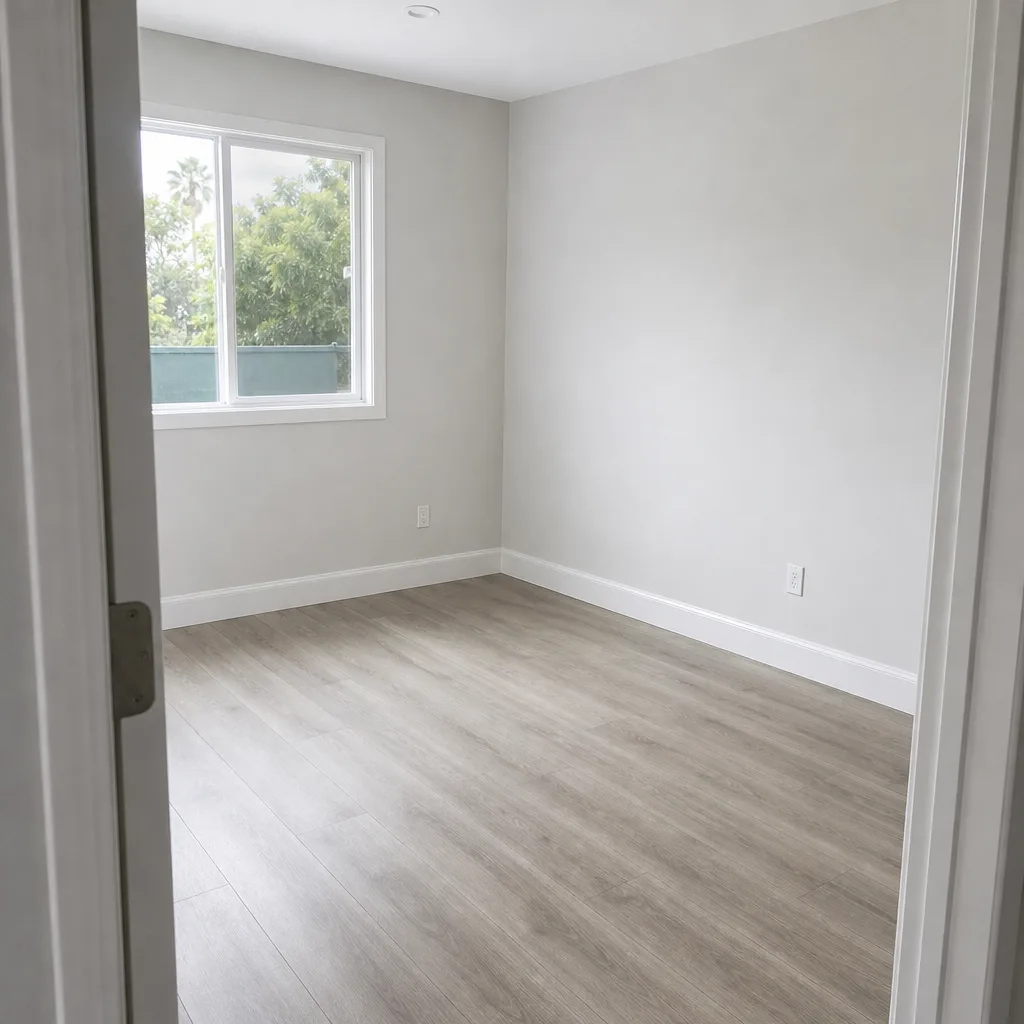 After
AfterWhen to Call a Professional
Call a professional if any of these is true: the water is gray or black, the affected area is more than 10 square feet, water has touched drywall or carpet, you smell mustiness, you see any visible mold, a family member has asthma or an immune condition, the water came from outside, or you have any uncertainty about the moisture status of the materials under the surface. In any of those cases, DIY is not a legitimate option, and the financial and health risks if it goes wrong outweigh the cost of doing it right. Marsh Water Damage Long Beach offers free estimates in Long Beach. One call to (562) 999-7643 gets you a written scope, a straight answer about whether your situation is DIY territory, and a name and photo of the tech coming to your door before they arrive. That last part matters if you’ve never met us before.
Frequently Asked Questions
Most residential water extraction and drying jobs in Long Beach run between $2,500 and $5,000 for the mitigation portion, before any rebuild, depending on square footage and the number of affected rooms. Mold remediation following a delayed response typically adds $3,000 to $10,000 depending on the extent of colonization. Call (562) 999-7643 for a written estimate specific to your home: estimates are free, and no work starts until you’ve seen the number in writing.
Only in a narrow scenario: under 10 square feet of clean water on non-porous surfaces, no wall or subfloor penetration, and indoor humidity below 60%. Most real water damage in Long Beach does not meet those conditions, and a rental dehumidifier pulling 30 pints per day cannot keep pace with a room that needs 90-plus pints removed daily to prevent mold. The equipment gap is physical, not a matter of effort.
A live person answers the phone at Marsh Water Damage Long Beach 24 hours a day, 7 days a week, including holidays. Dispatch in Long Beach is typically same-day, and the threshold for same-day response is based on the water category and the extent of affected square footage. Call (562) 999-7643 and you’ll know the ETA before you hang up.
Standard California homeowner policies cover sudden and accidental water damage, including professional mitigation and drying, subject to your deductible. Coverage is contingent on the policyholder’s duty to mitigate, which means taking reasonable steps to prevent the loss from worsening. Inadequate DIY mitigation that worsens the loss can lead to partial denials. A professional mitigation report with drying logs and moisture readings is one of the strongest documents you can hand a carrier.
If the water was clean, the area was extracted within hours, and materials are verified dry to below 16% moisture content, a professional cleaning may be sufficient. If the water was gray or black, if visible mold is present, or if the affected area sat wet for more than 48 hours in Long Beach’s ambient humidity, professional remediation is required, not optional. The distinction is made with moisture readings and visual inspection, not a guess.
A professional restoration company in Long Beach can coordinate directly with your adjuster, provide photo documentation and drying logs, and advocate for the scope of work the loss actually requires. That coordination is part of what you’re paying for, and it’s one of the strongest arguments against DIY: when the carrier asks what happened, you want a third-party report in the file, not your own handwritten notes. Marsh Water Damage Long Beach handles adjuster coordination on every job where a claim is open.
The Bottom Line
The DIY-versus-professional question in Long Beach is not about pride. It’s about physics. In a city where morning humidity already sits near the mold threshold, the margin for error on a self-managed dry-out is measured in hours. The narrow DIY scenario exists and we’ve described it honestly. Everything beyond it belongs in the hands of a team with the equipment, meters, and training to verify the structure is dry, not just the surface. In 2005, Marsh Water Damage Long Beach started with a simple idea: tell the homeowner what’s happening, in plain language, in writing, before any work starts. Two decades later, that’s still how every Long Beach job begins. If you have water where it shouldn’t be, you have one call to make. That call is answered by a live person. The estimate is free. And the person who shows up will be exactly who we said they were.
Written by Tobias Reyner, Owner at Marsh Water Damage Long Beach, serving Long Beach since 2005.