
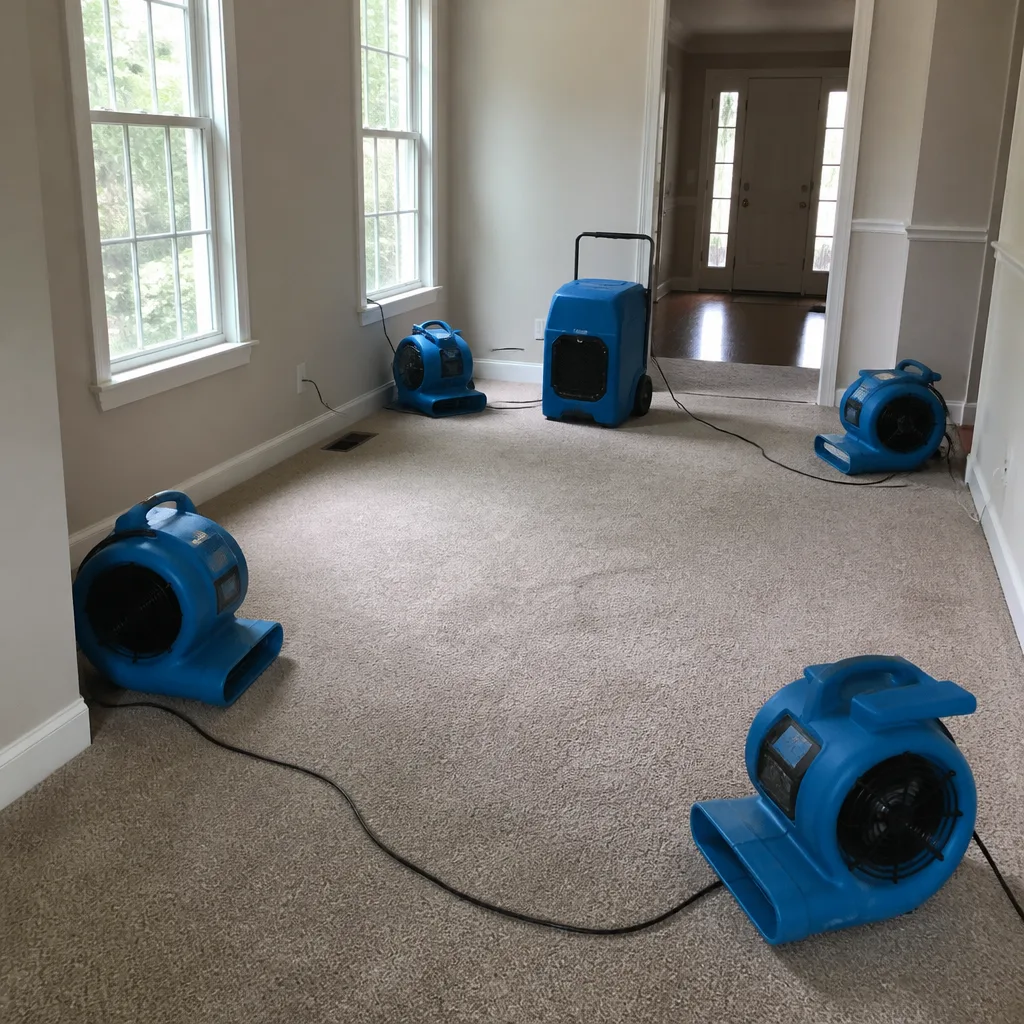
 Water damage drying
 Fire & smoke cleanup
 Mold remediation
 Storm response
 Sewage cleanup
 Reconstruction
Free visual inspection and a written scope of work before any mitigation begins - photos, moisture readings, and drying logs go in your claim file
The scope we write is the scope we bill. Anything new gets shown to you, in writing, before we touch it.
Get your free estimateRestoration work we handle
See the difference
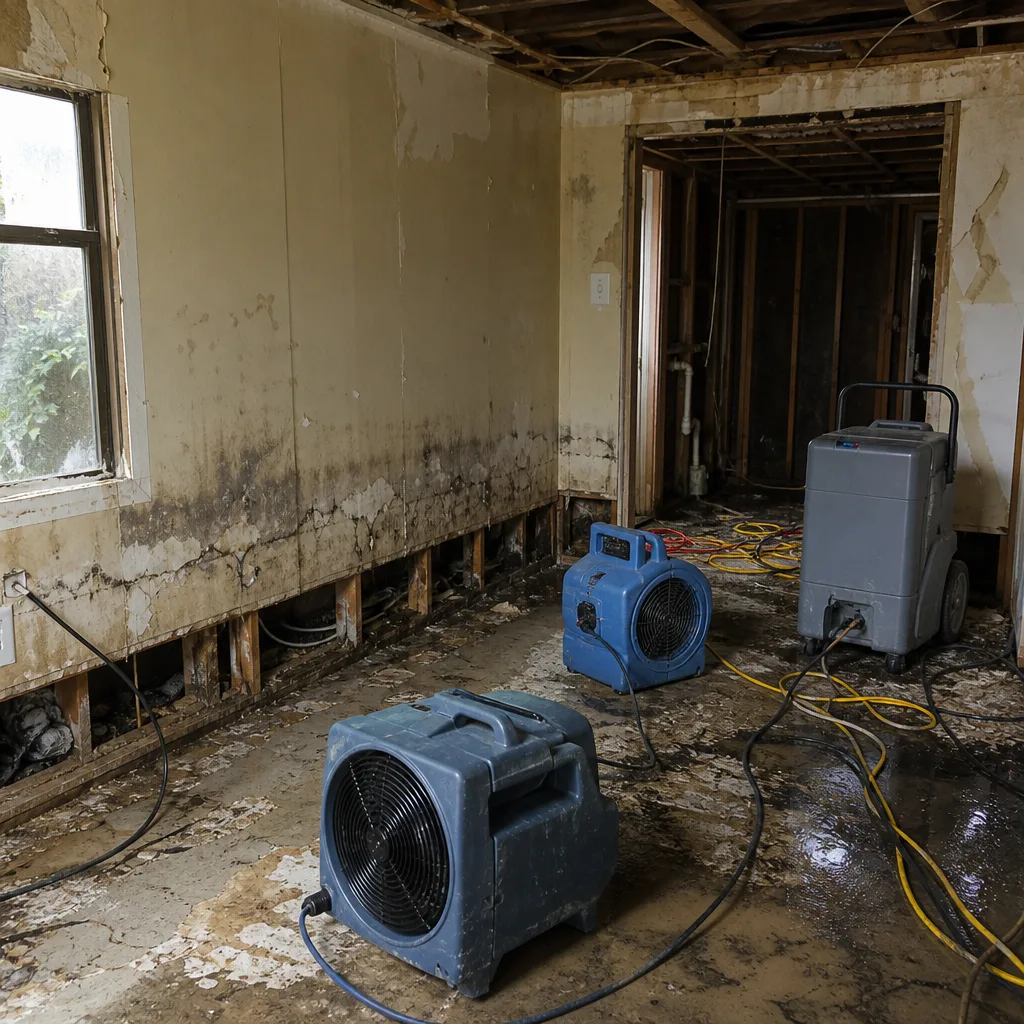 Before
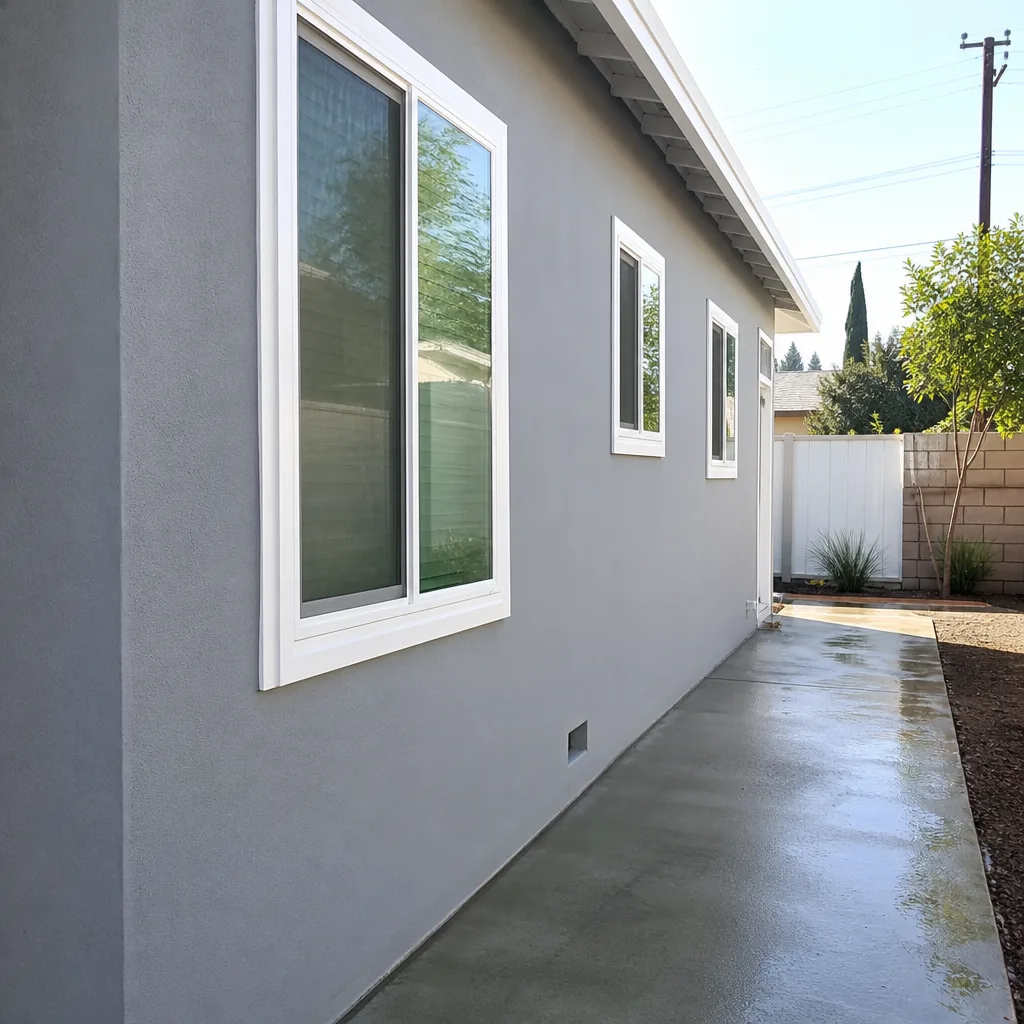 After
After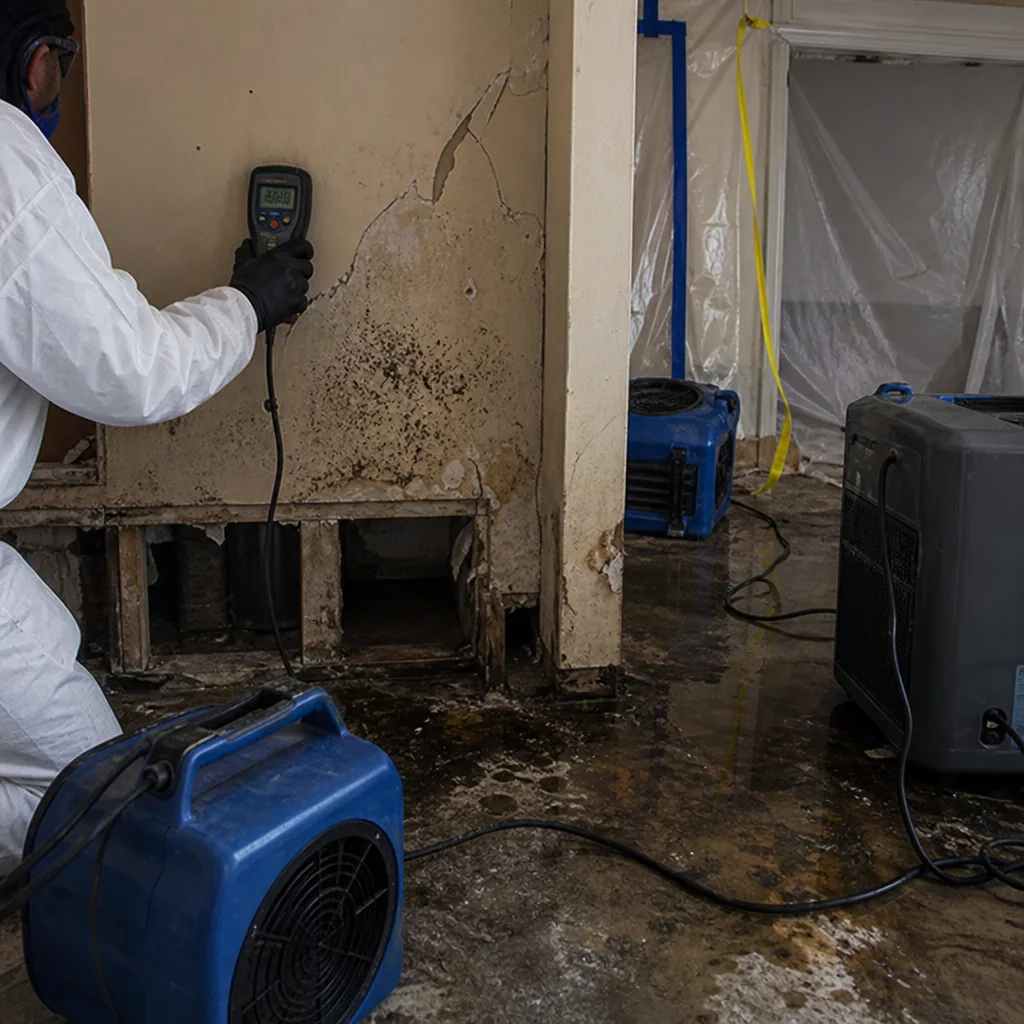 Before
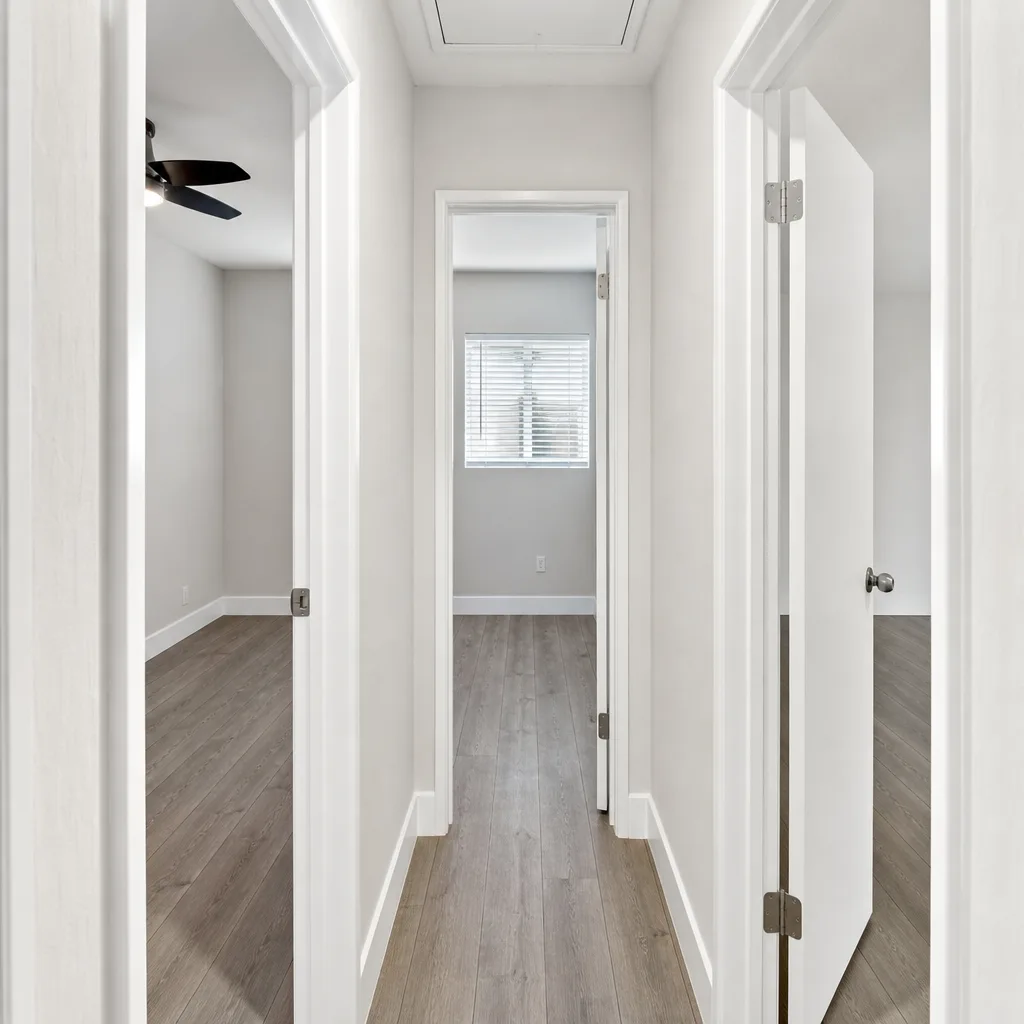 After
After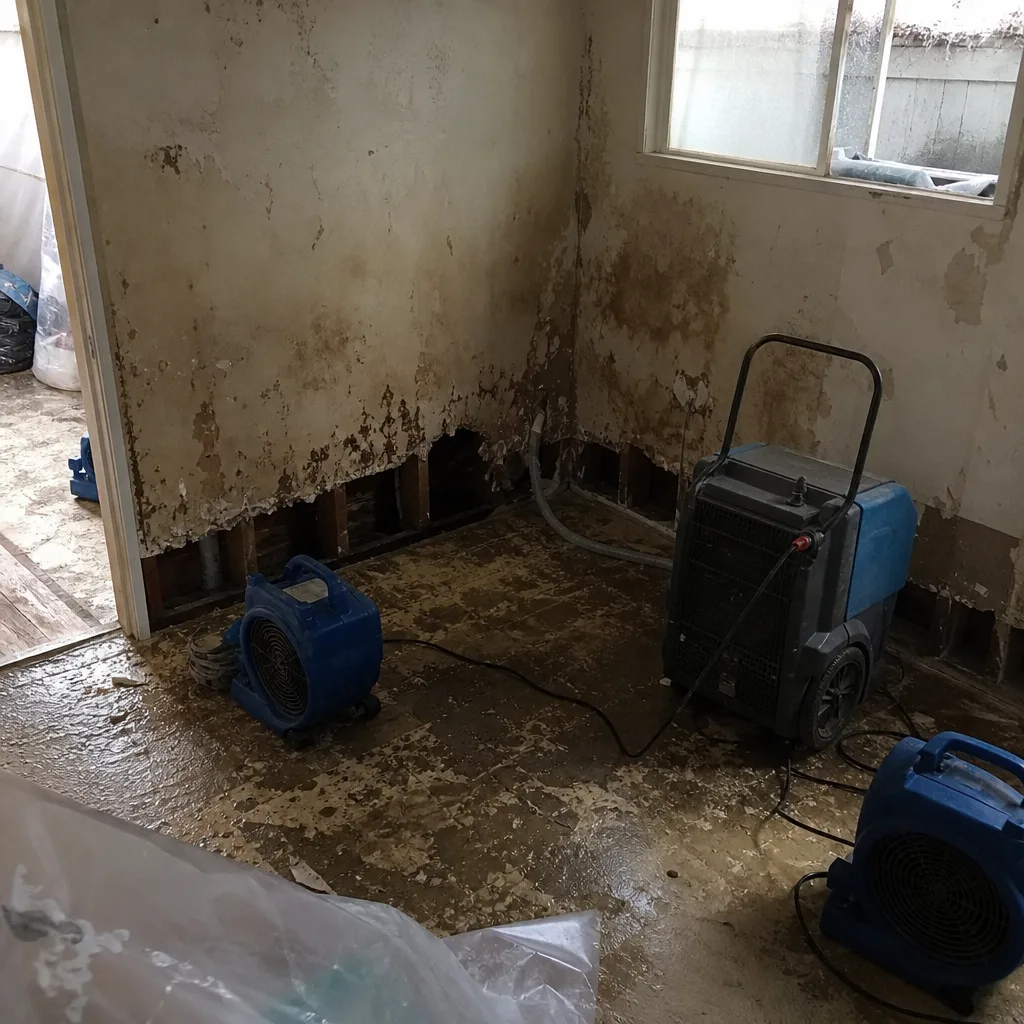 Before
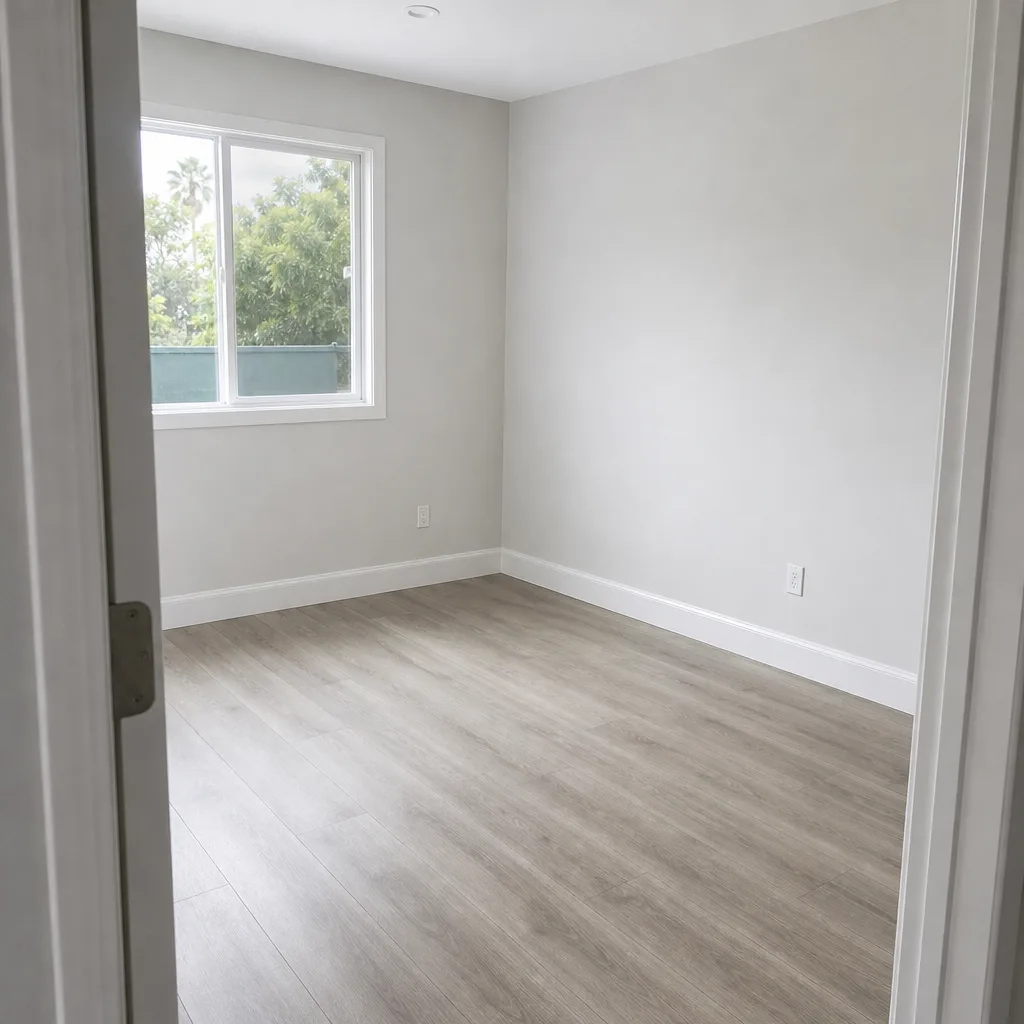 After
AfterCeiling & Roof Leak Water Damage in Long Beach, CA
Ceiling and roof leak water damage in Long Beach usually shows up as a brown stain spreading across drywall, paint bubbling near a light fixture, or water dripping through a ceiling vent. Most interior leaks of this kind trace back to one of three culprits: a failed roof flashing point, a cracked tile from coastal sun exposure, or a plumbing line running through the attic. Marsh Water Damage Long Beach has handled these exact failures since 2005, and we respond with the same process every time: stop the water, map the wet area, dry the structure, and give you a written price before any repair work starts. Call (562) 999-7643 and a live person answers, day or night.
Roof and ceiling leaks are one of the messiest parts of Water Damage Restoration because the water travels. It enters at the roofline, runs along a rafter, pools above a ceiling joist, and drips out ten feet from where it came in. Finding the actual entry point takes experience. Drying the cavity between the roof deck and the ceiling takes professional equipment. We run the full Water Damage Restoration in Long Beach process on every ceiling leak job, from initial extraction through final moisture verification.
When You Need Ceiling & Roof Leak Water Damage
Not every ceiling stain is an emergency, but every ceiling stain deserves a look. Here’s what brings most Long Beach homeowners to the phone:
- Brown or copper-colored rings on the ceiling. These are mineral deposits left behind after water evaporates. The stain tells you water has been passing through, even if the surface feels dry right now.
- Bubbling or peeling paint directly below the roofline. Trapped moisture pushes the paint off the drywall. In Long Beach’s humid coastal air, this often appears within days of the actual leak.
- Water dripping through a ceiling light fixture or vent. This means water is pooling in the cavity above. Turn off that light at the breaker and call us. Water and electrical fixtures don’t mix, and this one is not a do-it-yourself situation.
- A sagging drywall patch, especially after rain. Drywall loses its structural integrity when saturated. A sag is the warning sign before collapse.
- Musty smell upstairs with no visible water. Roof leaks often soak the insulation and the top side of the drywall before any stain appears on the painted side you can see. By the time you smell it, it’s been wet for a while.
- Stains that reappear after a patch job. If the entry point wasn’t found and sealed, the stain comes back. We fix the water path, not just the cosmetics.
Our Ceiling & Roof Leak Water Damage Process
Here’s exactly what happens when you call us for Emergency Water Extraction due to a ceiling or roof leak. This is the same sequence we’ve used for nearly two decades, and we walk you through each step before it starts.
- We answer the phone and ask the right questions. A live person takes your call 24/7. We ask what you’re seeing, where the stain is, and whether water is actively dripping. That tells us whether to send a tech now or schedule a full inspection.
- A Threshold Verified technician arrives, identified by name and photo before the knock. You’ll receive our technician’s name and photo before they arrive. They show a photo ID badge at the door, every time. No mystery crews.
- We locate the water source, not just the stain. Using moisture meters and infrared readings, we trace the wet path from the visible stain back to the entry point, whether that’s a cracked roof tile, failed flashing, or an attic plumbing line.
- We contain the wet area and extract standing water. If water is trapped above the ceiling, we drill small drain holes to release it into a controlled container rather than letting it find its own way down through your drywall. Dri-Eaz extraction equipment pulls the rest.
- We dry the structure, not just the surface. Air movers and dehumidifiers run inside the ceiling cavity and the room below. We take psychrometric readings (measuring the moisture in the air) and moisture content readings from the framing to confirm the structure is genuinely dry, not just dry on the surface.
- You get a written price for any repairs, then a written guarantee when the work is done. The repair scope, the materials, the labor, and the price are on paper before demo or rebuild begins. Every repair carries our 365-Day Done Right Promise in writing.
Ceiling & Roof Leak Water Damage Pricing in Long Beach
Most ceiling and roof leak water damage calls in Long Beach fall into predictable ranges. Here’s what we typically see, based on the scope of the leak:
| Service | Typical Long Beach Range | What It Includes |
|---|---|---|
| Inspection and moisture mapping | $150 – $300 | Technician visit, infrared scan, moisture meter readings, source tracing, written findings. |
| Small ceiling leak drying (single room) | $500 – $1,200 | Containment, drain holes if needed, 2-3 days of drying equipment, moisture verification. |
| Roof-to-ceiling leak with rafter or sheathing damage | $1,500 – $3,500 | Drying, removal of saturated drywall, structural drying, surface prep for repair. |
| Full ceiling replacement after extensive leak | $2,000 – $5,000 | Drywall removal, cavity drying, new drywall, texture match, prime and paint. |
What moves the price in Long Beach specifically: how long the leak has been running, whether the water soaked into insulation (which often needs replacing), and whether Structural Drying & Dehumidification will be needed before the affected ceiling in a bathroom or kitchen-where tile and fixtures complicate the repair-can be restored. Access matters too. A leak above a vaulted ceiling costs more to reach than one in a standard attic.
Every estimate is free and every price is in writing before work starts. We don’t give a “starting at” price and then discover new line items after the drywall comes down. The price on the work order is the price.
FAQs – Ceiling & Roof Leak Water Damage
How long does it take to dry a ceiling after a roof leak?
A ceiling after a roof leak typically takes 2 to 5 days to dry fully, depending on how long the water was running and whether insulation is involved. Ceiling cavities trap moisture because air doesn’t circulate naturally between the roof deck and the drywall. Our equipment runs continuously during this window, and we return to take moisture readings before we sign off on the drying job. If you’re seeing a fresh stain, call (562) 999-7643 for a free inspection and a realistic timeline for your specific leak.
Is a brown stain on the ceiling always mold?
A brown stain on the ceiling is not always mold, but it is always water. The brown color is usually mineral deposits and tannins pulled from the wood and drywall as water evaporates. That said, a ceiling that stays wet for more than 48 to 72 hours creates conditions where mold can take hold behind the drywall, invisible from the room. We check for moisture behind every stain we treat, not just on the painted surface.
Can you fix a ceiling leak the same day?
Yes, in most cases we can stop a ceiling leak and start the drying process on the same day you call, and for active, dripping leaks we prioritize same-day dispatch. Long Beach’s house stock includes a lot of 1950s and 1960s homes with tar-and-gravel roofs, and quick response on those matters because the roof deck absorbs water fast. If the leak involves roof repair, we coordinate that as part of the same job so you’re not juggling two companies. Call (562) 999-7643 and we’ll tell you straight whether we can get there today.
Will my homeowner’s insurance cover a ceiling leak?
The insurance answer depends on the cause of the leak, not the leak itself. Sudden events, like a storm-blown branch puncturing the roof, often require Flood Cleanup and are generally covered. Gradual leaks from long-term wear or deferred maintenance often are not. We document every job with photos, moisture readings, and a written report you can submit with your claim, which helps regardless of how your policy handles the specific cause. We’ll walk you through what we document before we start, so you know what your claim will look like.
Written by Tobias Reyner, Owner at Marsh Water Damage Long Beach, serving Long Beach.