

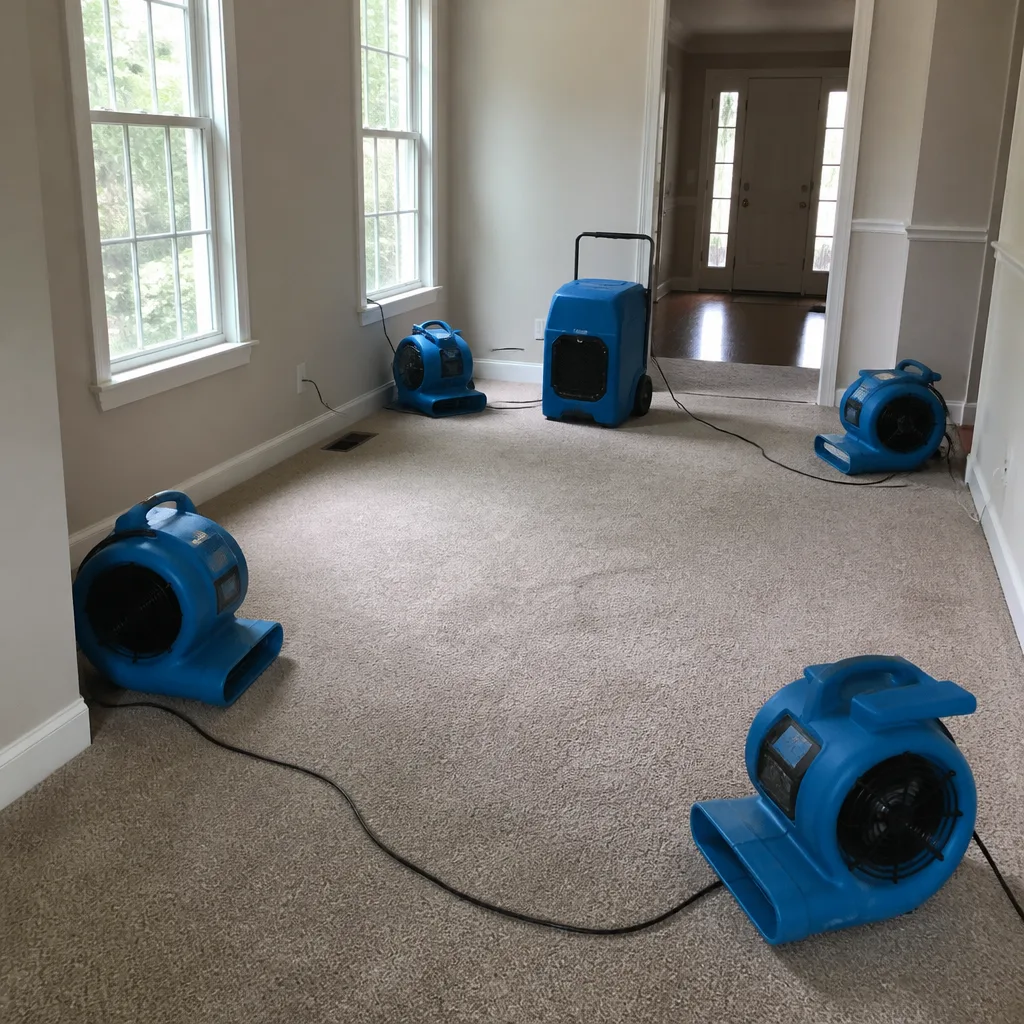
 Water damage drying
 Fire & smoke cleanup
 Mold remediation
 Storm response
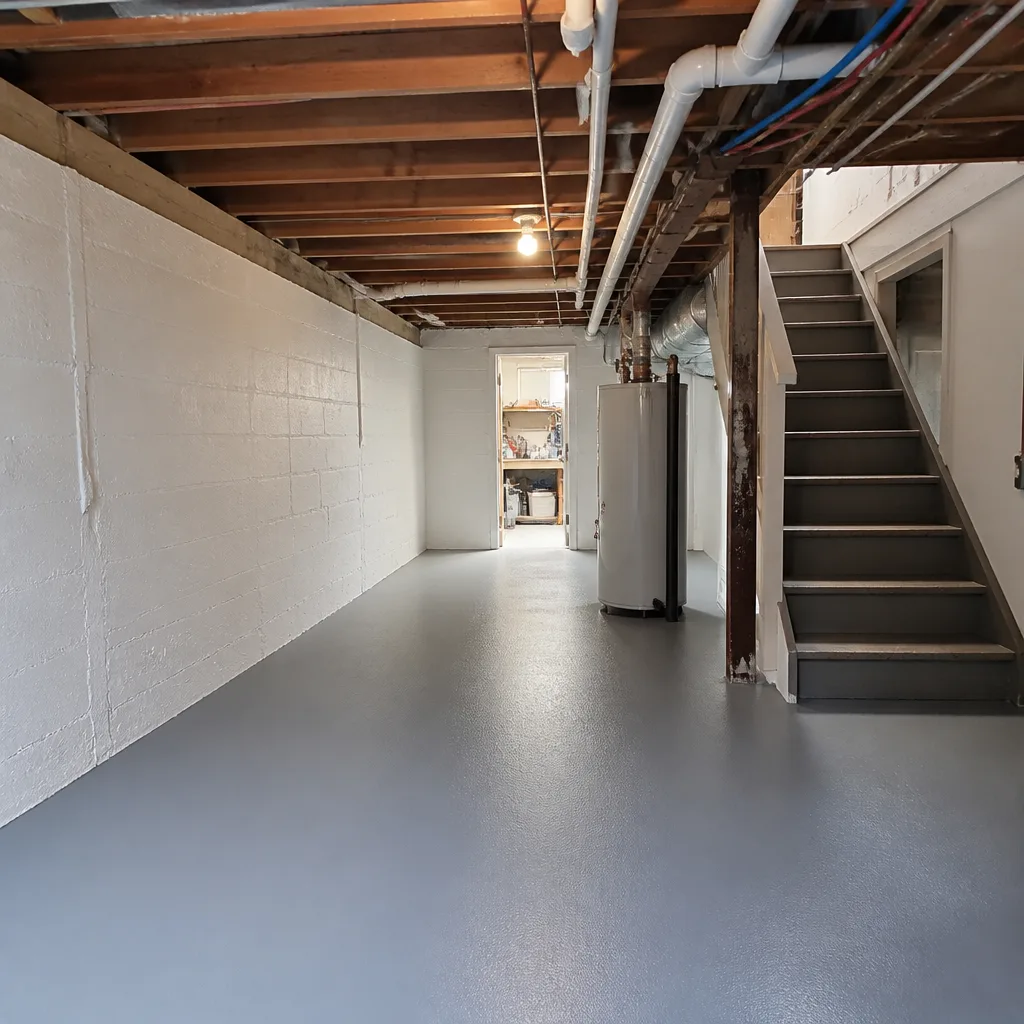 Sewage cleanup
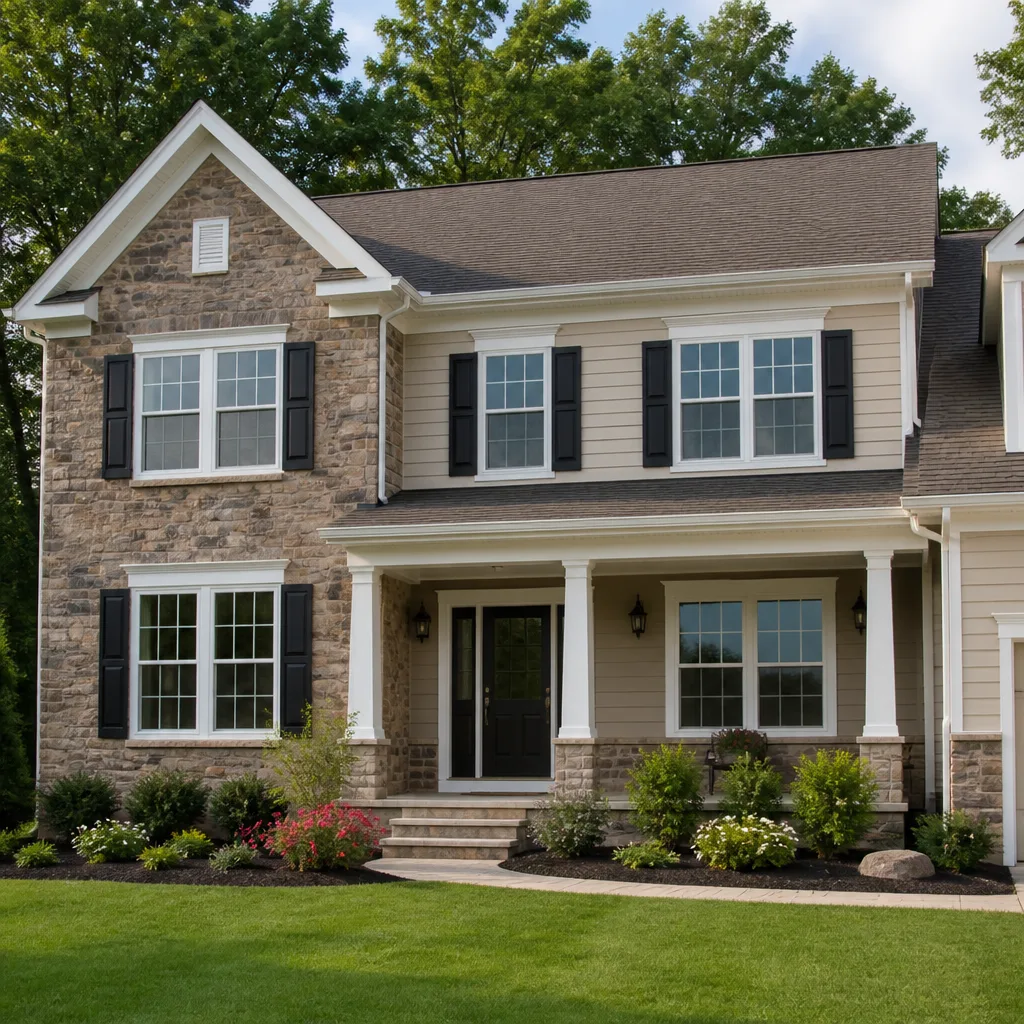 Reconstruction
Free visual inspection and a written scope of work before any mitigation begins - photos, moisture readings, and drying logs go in your claim file
The scope we write is the scope we bill. Anything new gets shown to you, in writing, before we touch it.
Get your free estimateFast, Reliable Storm Damage Restoration Across Cypress
Storm damage restoration in Cypress typically runs between $1,800 and $5,400 for most residential water extraction, structural drying, and repair work on single-story tract homes. We typically reach most Cypress neighborhoods within 45 to 60 minutes of your call. When water is moving through your walls or pooling on your slab floors, minutes matter. Call (562) 999-7643 and a live person answers, day or night.
Why Marsh Water Damage Long Beach Is Cypress’s Preferred Storm Damage Restoration Company
Cypress homeowners keep our number for one reason above all: we know what’s actually wrong before we start tearing things apart. The city’s housing stock is almost entirely 1960s and 70s slab-on-grade construction, which means storm water behaves differently here than it does in La Palma or Los Alamitos. A wet hallway after heavy rain is not always a roof problem. It is often a failing cast-iron drain line under the slab that finally cracked when saturated ground shifted against it.
Every technician who shows up at a Cypress home is background-checked and identity-verified through the Threshold Verified protocol. You get the tech’s name and photo before they arrive, and they show a badge at the door. Tobias Reyner has built this standard into every dispatch since 2005. No unmarked van, no mystery crew.
We carry professional drying equipment from Dri-Eaz and Phoenix, the same tools used on large commercial losses, so your Cypress home gets dried to the slab, not just to the surface. Every job receives a written scope and a written price before we start. The 365-Day Done Right Promise is printed on every work order. If something is not right within a year, we make it right, including a free second visit.
Restoration work we handle
Storm Damage Contractors in Cypress
Storm Damage Contractors in Cypress handle the structural side of storm recovery: cutting wet drywall, replacing insulation, repairing slab access points, and putting your home back together after water extraction and drying are complete. Cypress homeowners typically need this full-contractor scope when water has sat for more than 24 hours or when the source turns out to be a broken drain line rather than surface intrusion. Expect $3,200 to $8,800 for a mid-sized storm loss involving one or two rooms, depending on how much flooring and drywall must come out.
Full Tear-Out and Rebuild
When category 2 or 3 water has wicked up through an under-slab crack, the fix is not drying. It is cutting a controlled section of the slab, replacing the failed drain segment, then rebuilding the floor assembly. We scope this in writing before any saw touches concrete. Cypress homeowners in neighborhoods like Cypress Village and the tracts east of Valley View Street see this scenario more than they expect.
Storm Damage Repair Scope
This is the in-between work: drywall patches, baseboard replacement, re-texturing, and paint matching after drying is complete. We match Cypress’s common mid-century finishes, from orange peel texture to flat stucco patches. A typical repair-only scope runs $900 to $2,600 after mitigation is done.
Storm Damage Cleanup in Cypress
Storm Damage Cleanup in Cypress means water extraction, debris removal, antimicrobial application, and setting up drying equipment fast enough to stop mold before it starts. In Cypress’s marine air, mold begins in as little as 24 to 48 hours on wet drywall, and the humidity near the coast does not let materials dry on their own. Most Cypress cleanup jobs run $1,200 to $3,400 for extraction plus three to five days of drying equipment.
Water Extraction and Structural Drying
Our techs use truck-mounted extractors and Dri-Eaz dehumidifiers with XPOWER air movers to pull water out of slab homes where moisture hides under flooring and behind baseboards. We also take psychrometric readings (measuring the moisture in the air) to know when the structure is genuinely dry, not just dry on the surface. That matters in Cypress because slab foundations hold moisture longer than raised foundations do.
Mold Prevention After Storms
After extraction, we apply an EPA-registered antimicrobial to affected framing and drywall edges. In Cypress tract homes with original 1960s construction, the building paper behind stucco can hold storm water against the framing, which is why we check moisture content in the wall cavity, not just on the surface. This step is the difference between a one-time loss and a recurring musty smell.
Trusted Brands We Service in Cypress
We stock parts and accessories for the brands most common in Cypress’s mid-century homes, from Kohler and American Standard plumbing fixtures to Hunter and NuTone ventilation components. Our equipment fleet uses Dri-Eaz, Phoenix, XPOWER, and IFA-standard tools. For Cypress customers, that means faster turnaround because we are not waiting on special-order parts from a supply house three cities away. If your 1970s home still has original fixtures, we can usually source compatible replacements or advise when a retrofit is the smarter money.
See the difference
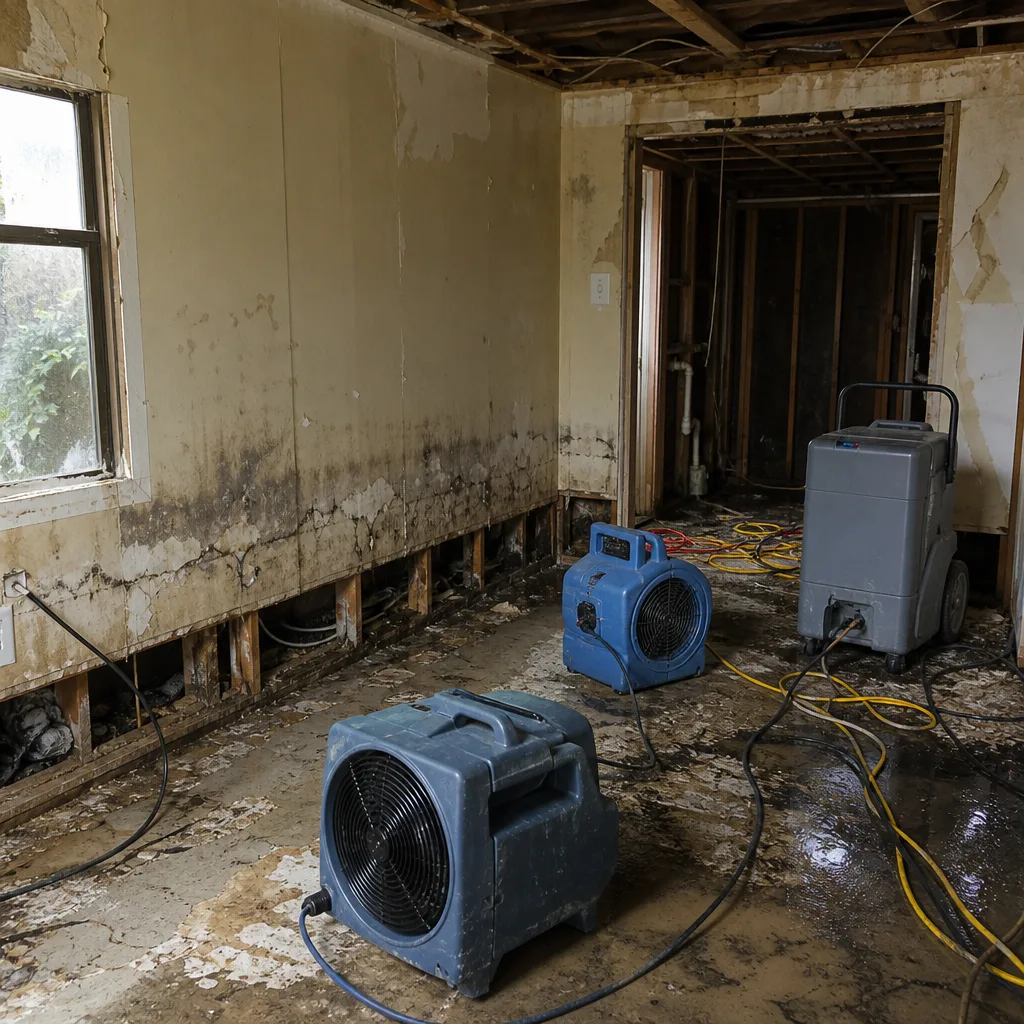 Before
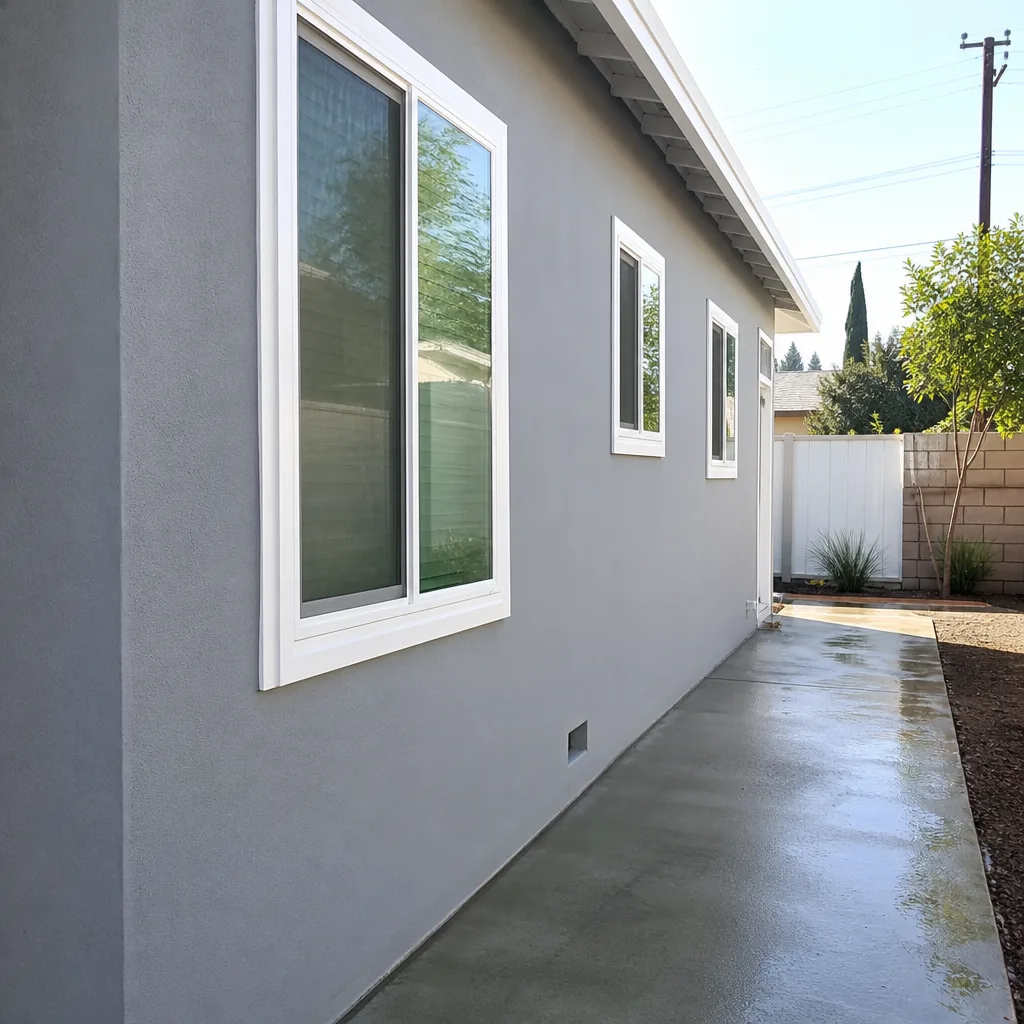 After
After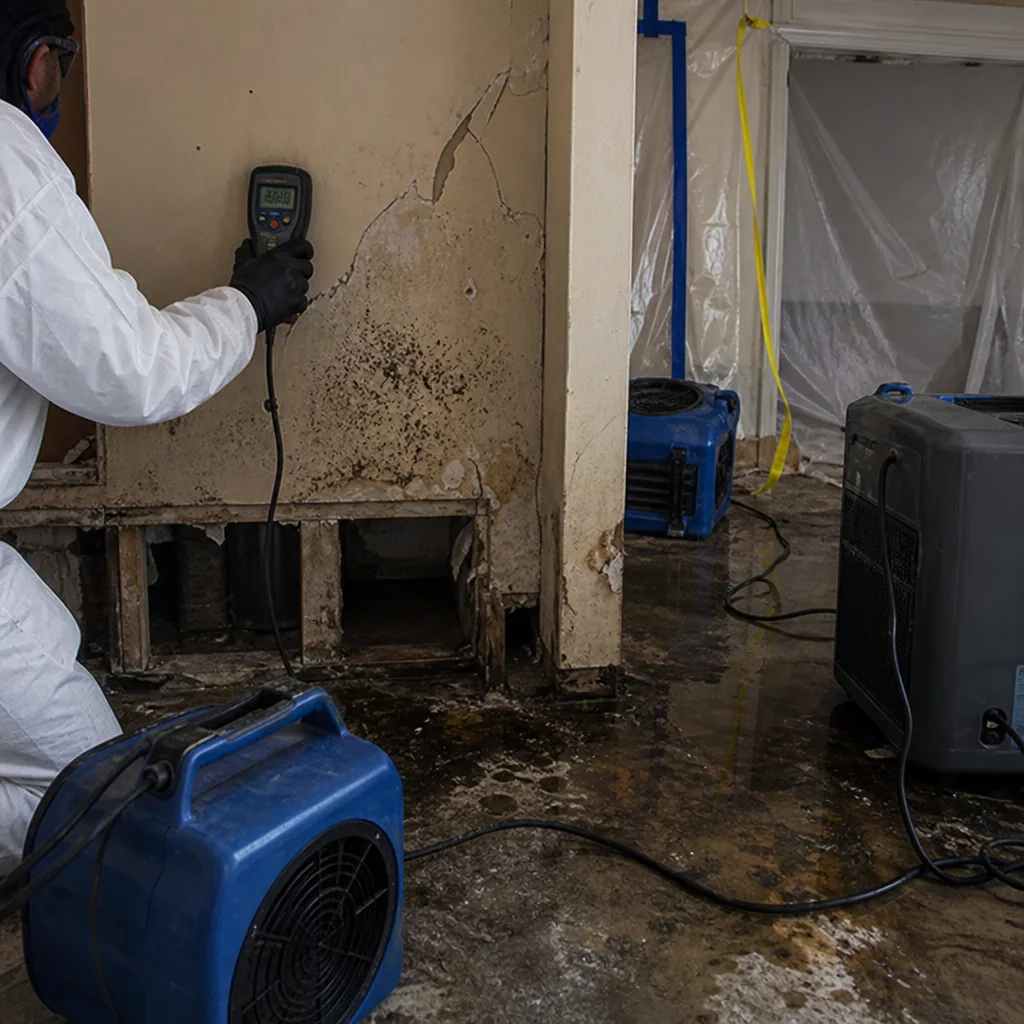 Before
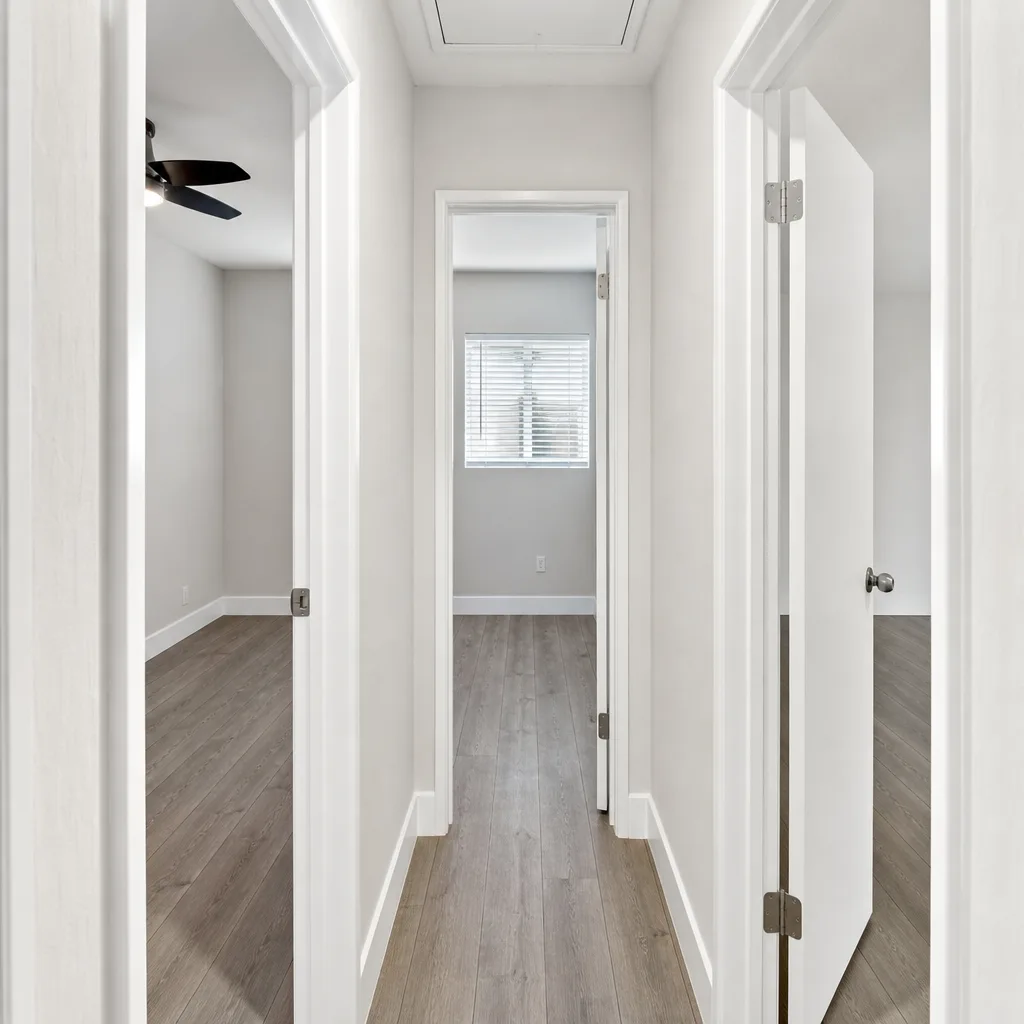 After
After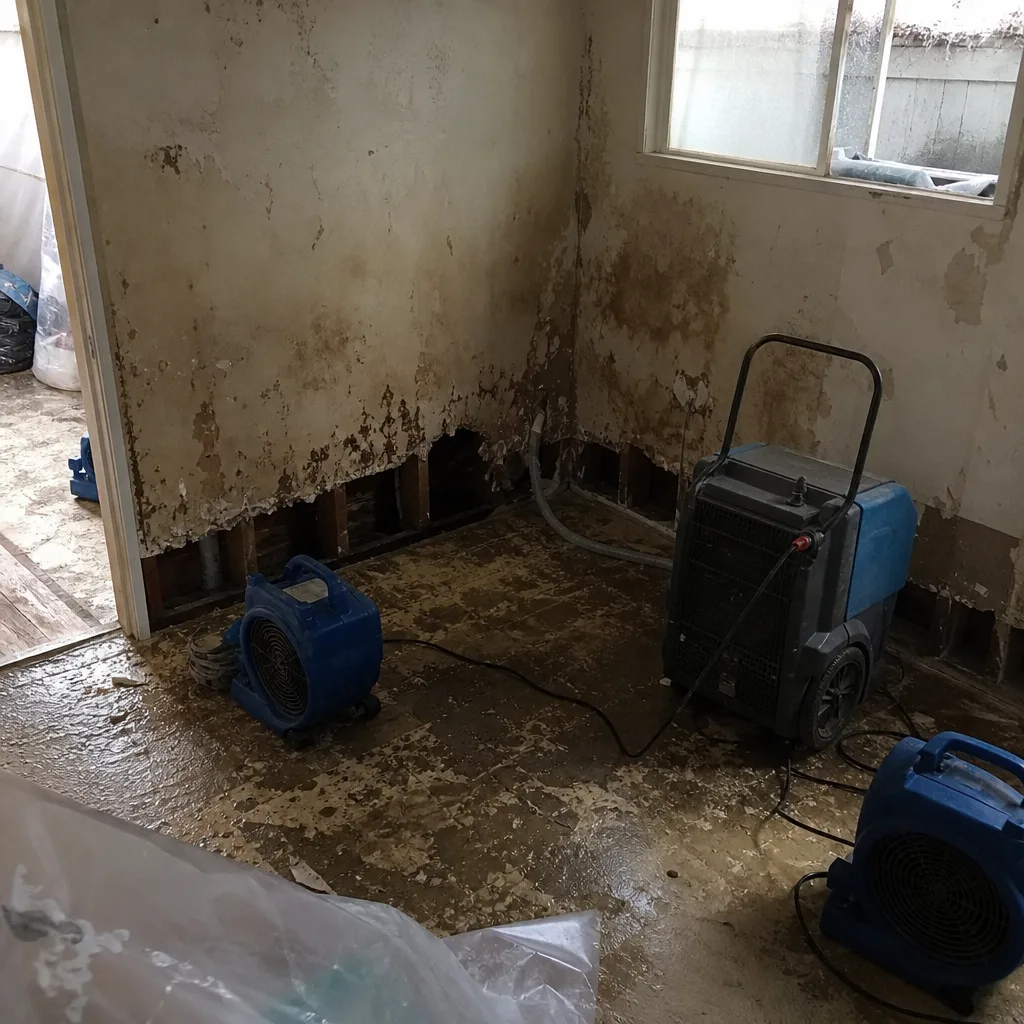 Before
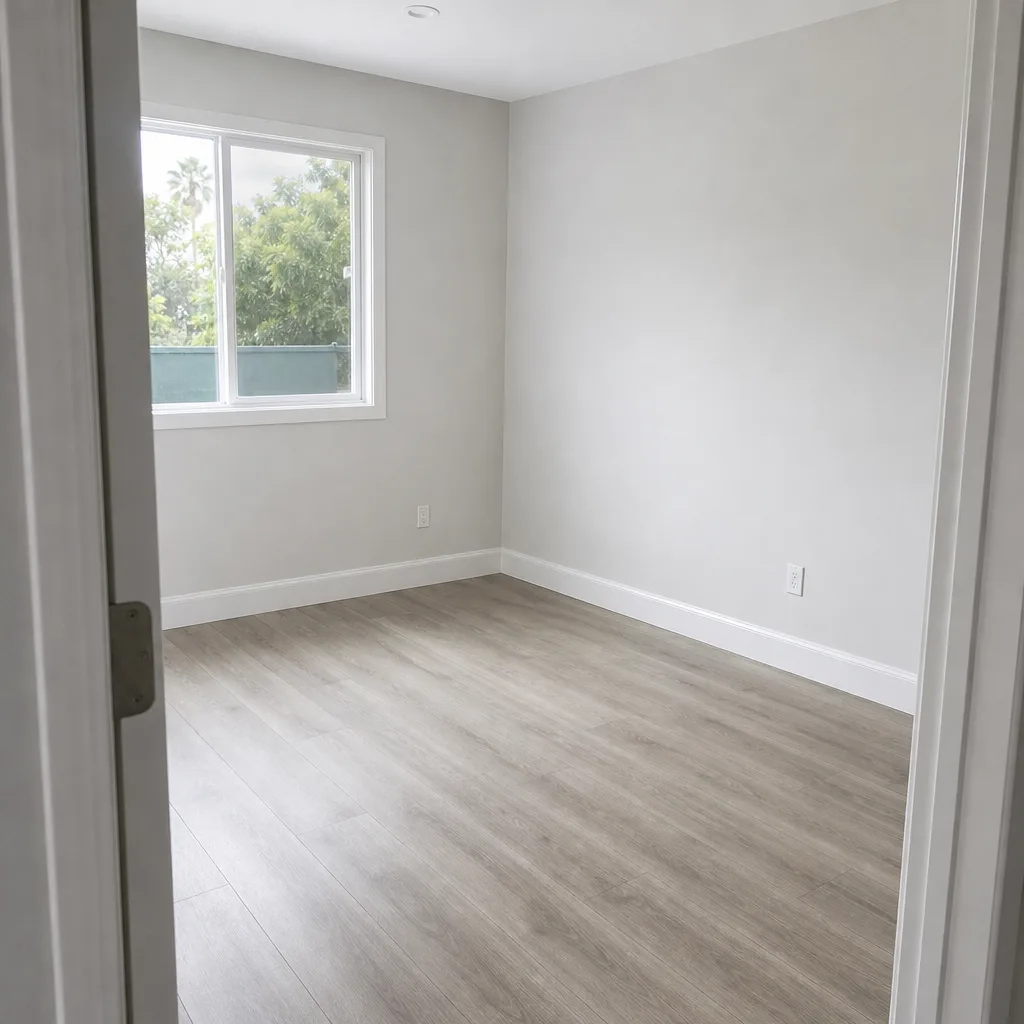 After
AfterCommon Storm Damage Restoration Problems We See in Cypress Homes
- Hidden slab leaks disguised as storm intrusion. In Cypress’s 1960s and 70s slab-on-grade tract homes, water pooling in a hallway after rain often traces back to a corroded cast-iron drain line under the foundation, not a roof leak or window seepage. Treating it as surface storm water means the real problem keeps leaking.
- Musty odors that return after every rain. A persistent hallway smell in Cypress usually means moisture is trapped under the slab or behind original stucco walls. Drying only the surface leaves the source intact, and the smell returns within weeks.
- Wet drywall left to linger in marine air. Cypress sits close enough to the coast that indoor humidity stays high even after storms pass. Wet drywall that would air-dry in a drier climate instead feeds mold growth within 24 to 48 hours.
- Original composition shingle roofs at end of life. Many Cypress homes still have their first or second composition shingle roof, now 20 to 40 years old. Wind-driven rain finds its way through poorly sealed pipe penetrations and vents, causing intermittent attic staining and ceiling damage that seems to appear out of nowhere.
Pricing for Storm Damage Restoration in Cypress, CA
Most residential storm damage cleanup in Cypress runs $1,200 to $3,400 for extraction, antimicrobial treatment, and drying equipment. Full contractor scopes that include drywall removal, slab-level repairs, and rebuild work run $3,200 to $8,800 depending on how many rooms are involved and whether the under-slab drain needs replacement. A small water stain with no structural impact could be under $900. What moves the number: the water category, how long it sat, whether flooring must come out, and whether the source is a roof penetration or a failed under-slab line. We give you a written price before any work starts. Call (562) 999-7643 for a free estimate.
We Also Serve Cities Near Cypress
Our crews serve Cypress and the surrounding area daily, including Hawaiian Gardens, Cerritos, Artesia, and Westminster. If you are in one of those cities and dealing with storm water, the same written-price guarantee and Threshold Verified dispatch applies. For more on how we handle storm losses across the region, see our Storm Damage Restoration service details, or read more about Storm Damage Restoration in Cypress.
Serving Cypress, CA - Our Local Coverage Area
We’re based in the Cypress area and know this community well. Use the map below to see our service coverage - if you’re nearby, we can almost certainly help.
FAQs About Storm Damage Restoration in Cypress
We use moisture mapping across the slab surface and infrared scans to trace the water path. A roof leak typically shows moisture starting at the ceiling or upper wall and moving down, while an under-slab drain failure shows moisture rising from the floor upward, often in the center of a hallway or between a bathroom and kitchen. In Cypress’s slab-on-grade homes, the hallway location is a strong signal that you are dealing with a drain line, not a roof. Call (562) 999-7643 and we will map it before cutting anything open.
Yes. Saturated ground after heavy rain adds lateral pressure against already-corroded cast-iron lines under your slab. A pipe that was seeping slowly can crack suddenly when the surrounding soil shifts. If you notice a new musty odor or damp flooring after a storm, especially in a hallway or near a bathroom, have the drain line inspected before treating the symptom. Our techs see this pattern repeatedly in Cypress Village and the tracts along Orange Avenue.
Category 1 is clean water from rain or a supply line with no contaminants. Category 2 is water with some contamination, such as roof runoff that has passed through insulation or dust. Category 3 is grossly contaminated water, including anything that has come up from an under-slab drain failure. The category changes how we treat the affected materials. Category 3 requires removal of saturated porous materials like carpet and drywall, not just drying. Call (562) 999-7643 and we will classify the water and tell you the scope in writing.
Most Cypress slab-on-grade homes need three to five days of active drying with dehumidifiers and air movers, assuming category 1 or 2 water and prompt response. If the water sat for more than 48 hours or if it involved an under-slab drain break, the drying window extends because slab moisture is harder to pull than wall-cavity moisture. We monitor with daily psychrometric readings and document everything for your insurance claim.
Not necessarily. Stucco over original building paper can often be dried from the interior if we catch it early. Wood siding, if it has been repeatedly wetted over years, may have rot behind the surface that you cannot see. We check with a moisture meter and probe only where readings justify it. The written scope before work starts tells you what we found and what must be removed versus what can be saved.
If you have storm water moving through your Cypress home, do not wait. Call (562) 999-7643 and a live person answers 24/7. We will send a named, photo-badged technician to your door, write the scope, and start protecting your home.
Written by Tobias Reyner, Owner at Marsh Water Damage Long Beach.