

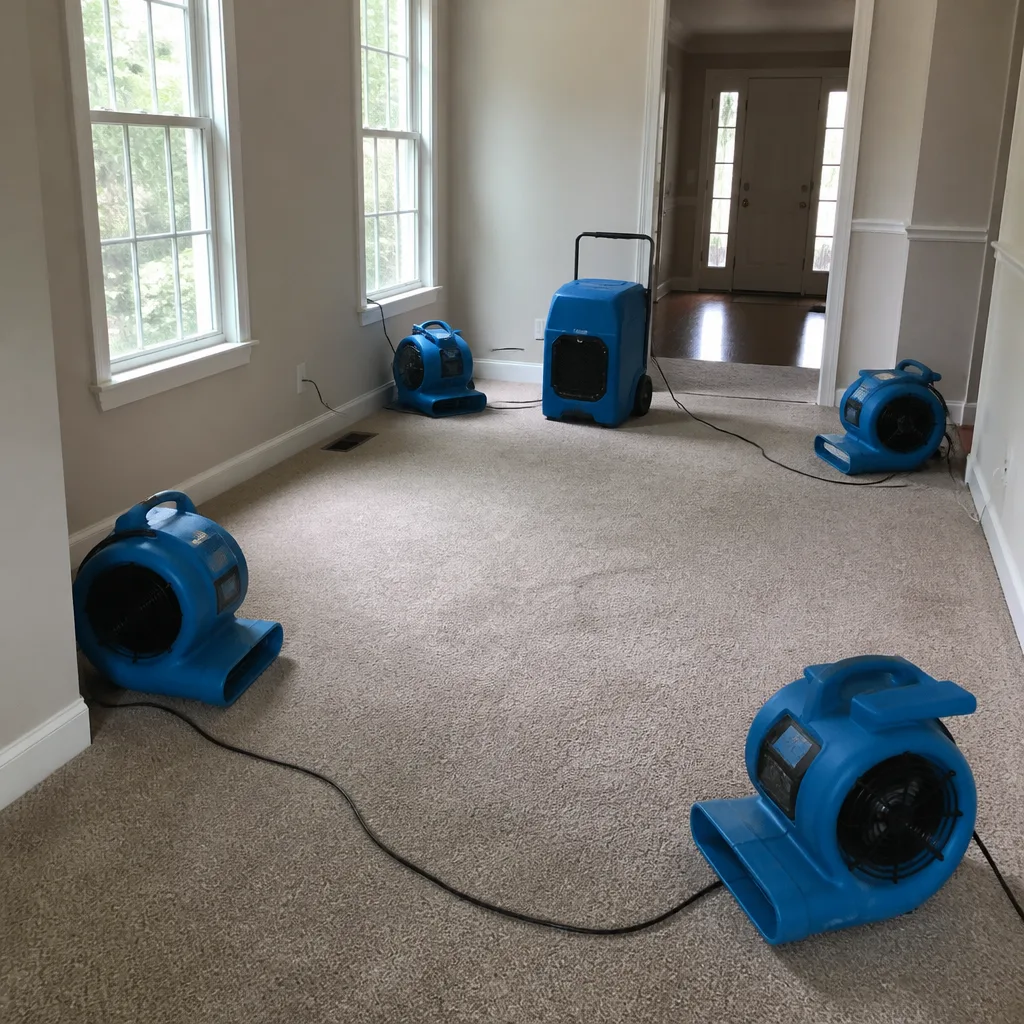
 Water damage drying
 Fire & smoke cleanup
 Mold remediation
 Storm response
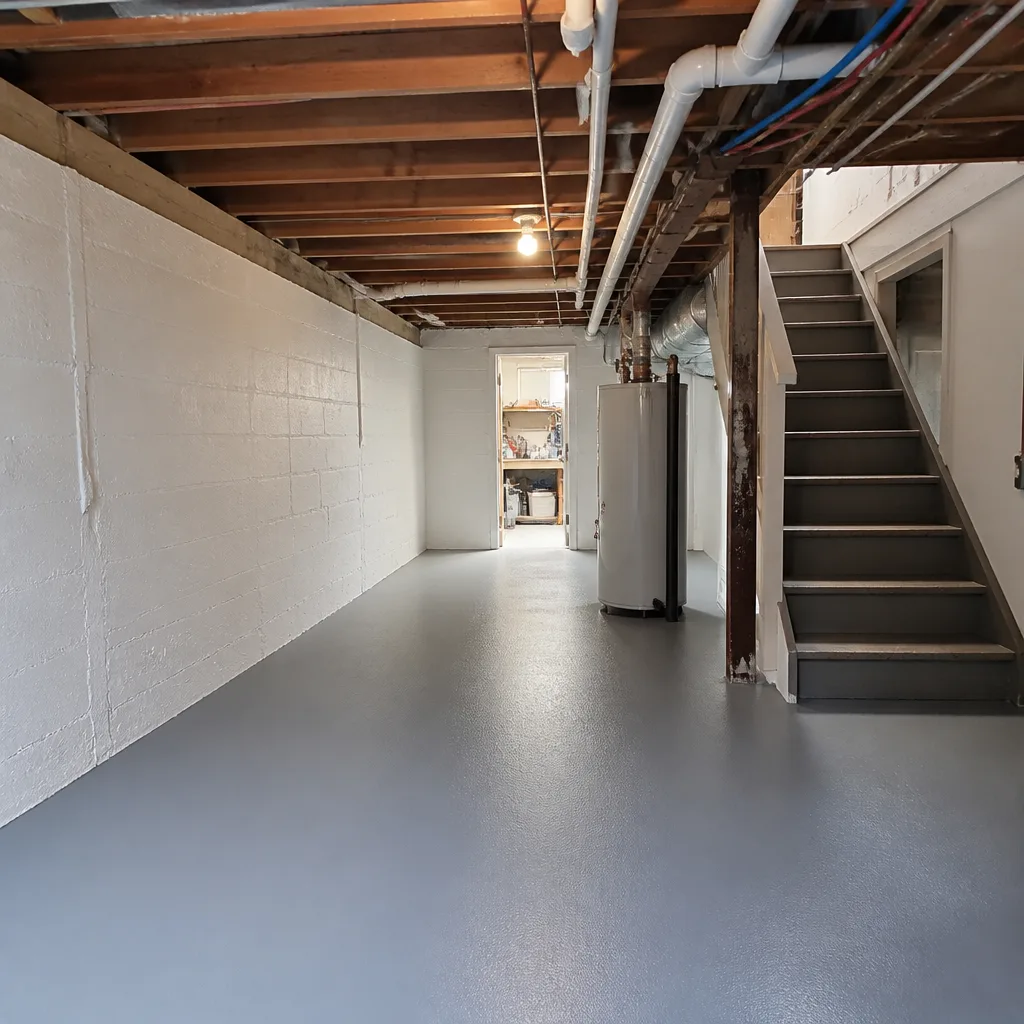 Sewage cleanup
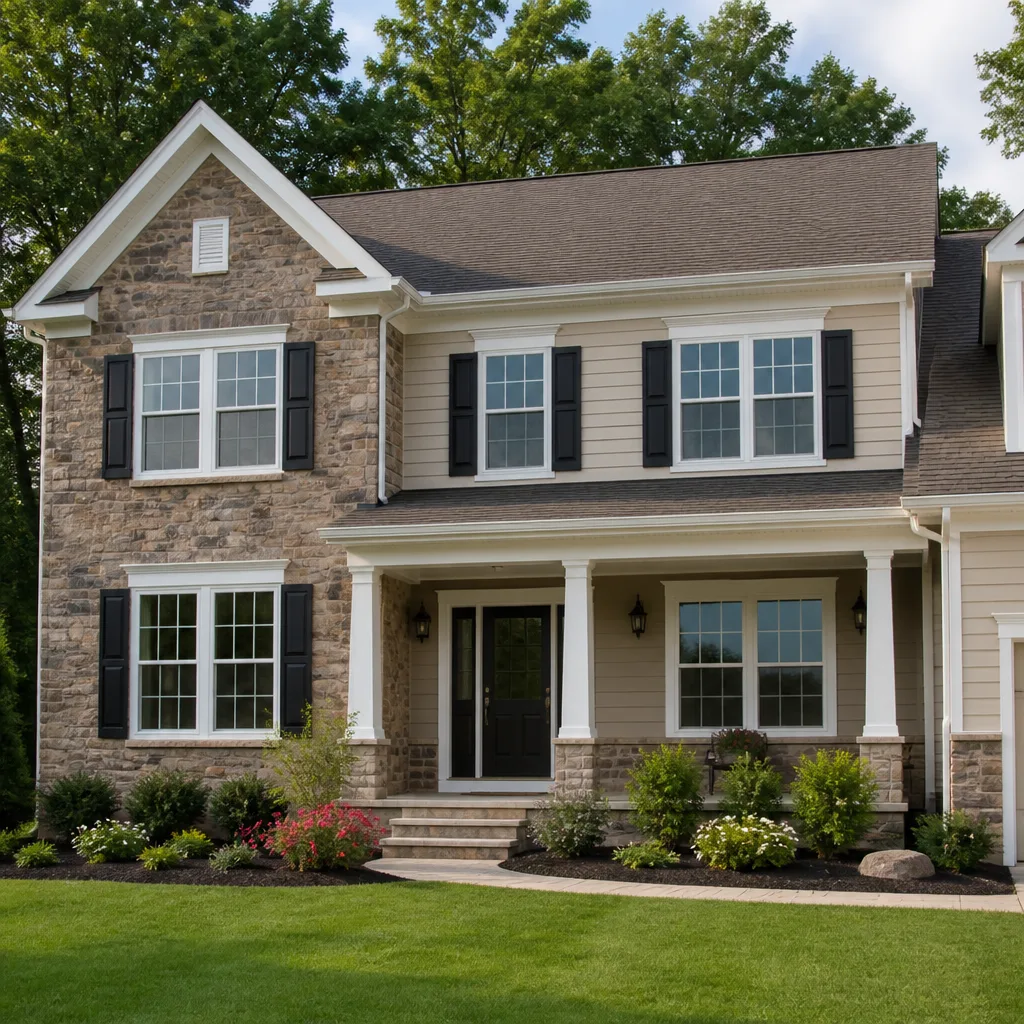 Reconstruction
Free visual inspection and a written scope of work before any mitigation begins - photos, moisture readings, and drying logs go in your claim file
The scope we write is the scope we bill. Anything new gets shown to you, in writing, before we touch it.
Get your free estimateFast, Reliable Storm Damage Restoration Across Rolling Hills Estates
Storm damage restoration in Rolling Hills Estates typically costs between $2,800 and $9,500 for most single-event residential losses, and our crews can usually be on-site within 60 to 90 minutes for emergency water extraction and tarping. The challenge here isn’t just the storm itself. It’s the hillside drainage, the custom finishes, and the way marine-layer moisture slows everything down after the water stops flowing. We know those homes. We know the private roads off Palos Verdes Drive North, the equestrian lots with paddock runoff, and the built-in cabinetry that hides seepage until it’s too late. If water is moving through your Rolling Hills Estates home right now, call (562) 999-7643. A live person answers, day or night.
Why Marsh Water Damage Long Beach Is Rolling Hills Estates’s Preferred Storm Damage Restoration Company
Storm work on the Peninsula demands a different level of care than elsewhere in the South Bay. Rolling Hills Estates homes are large, custom-built estates with vaulted ceilings, stone exteriors, and millwork that can’t simply be swapped out at a supply house. Our Storm Damage Restoration team has worked on these homes long enough to understand that restoration here means preservation, not replacement. Tobias Reyner, who leads our technical crew, drills one rule into every job: match the finish, document everything, and never hide a decision behind jargon.
Homeowners in Rolling Hills Estates consistently tell us the same thing. They want to know exactly who’s walking through the door before the knock, not after. That’s why every Marsh technician is background-checked, identity-verified, and sent to you by name and photo before arrival. They show a photo ID badge at the door, every single time. It’s called the Threshold Verified standard, and it’s not a nice-to-have. It’s a five-step protocol printed on every work order.
We’re part of the Threshold Group family of restoration companies, in business since 2005. Our technicians hold IICRC, RIA, and IFA credentials, and we deploy professional-grade drying equipment from Dri-Eaz, Phoenix, XPOWER, B-Air, and Injectidry. The same gear used on large commercial losses, applied to residential estates. Response time to Rolling Hills Estates is typically under 90 minutes for storm emergencies, because every call is answered by a live person 24/7, not a callback queue.
Restoration work we handle
Basement Flood Cleanup in Rolling Hills Estates
Basement Flood Cleanup in Rolling Hills Estates almost always involves water that found its way downhill. The city’s equestrian zoning and hillside lot grading mean lower-level garages, finished basements, and even custom tack rooms sit below grade, where stormwater and irrigation runoff collect. Most residential basement extractions in Rolling Hills Estates run between $1,800 and $4,200 before drying equipment is set, depending on how much finished space is affected and whether custom cabinetry or millwork needs to be pulled and reset.
When our Storm Damage Restoration in Rolling Hills Estates crew arrives, the first step is always the same. We stop the water at its source, whether that’s a failed hillside drain, an overflowing paddock culvert, or a pool equipment failure sending water toward the house. Then we map moisture with thermal imaging and psychrometric readings, which measure the moisture in the air so we know when the structure is genuinely dry, not just dry on the surface.
Containment and Structural Drying
Basement flood work here often means setting containment before demolition starts, especially when category 2 water, the kind that carries contaminants from outside sources like storm runoff, has moved under walls or behind cabinetry. We use commercial-grade dehumidifiers and air movers to drive moisture out of concrete, framing, and drywall. In Rolling Hills Estates, coastal humidity means drying takes longer, and skipping dehumidification lets marine-layer fog keep materials damp for weeks.
Documenting Everything for Insurance
Storm losses in custom homes almost always involve insurance, and adjusters want proof. We photo-document every surface before, during, and after mitigation. Every affected area is measured, mapped, and logged. If you’re dealing with a carrier, we coordinate directly with your adjuster so you’re not translating moisture readings over the phone at midnight.
Storm Damage Contractors in Rolling Hills Estates
Storm Damage Contractors in Rolling Hills Estates do more than pull wet carpet and run fans. The job here means assessing slope erosion, private road drainage, and the slow seepage that moves behind built-in cabinetry and under slab foundations before anyone sees water on the floor. A typical full storm restoration, from extraction through structural dry-out, runs $3,500 to $9,500 in Rolling Hills Estates. The range reflects how far water traveled and how much custom finish work is involved.
We scope every job in writing before any work starts. That written price isn’t an estimate that balloons after demo begins. It’s the number you approve, and the work order the crew follows. If anything hidden surfaces during mitigation, we stop, document it, show you photos, and agree on the change before another tool comes off the truck.
Hillside Drainage and Equestrian Lot Challenges
Stormwater on equestrian-zoned lots doesn’t behave like water on flat city streets. It flows from paddocks, across hardscaping, and into garage door thresholds through private road culverts. Our crews check those paths early, because a drain that failed once will fail again unless the grading or the culvert is addressed as part of the restoration scope.
Custom Millwork and Built-In Cabinetry
In a custom Rolling Hills Estates home, pulling built-ins isn’t a demolition task. It’s a preservation task. We’ve pulled wet drywall behind cabinet runs and left the millwork intact, dried in place, and reinstalled clean. That’s the standard we hold on every job, documented by photo and backed by the 365-Day Done Right Promise.
Trusted Brands We Service in Rolling Hills Estates
We service and restore damage across all major garage door and opener brands common to Rolling Hills Estates homes, including LiftMaster, Genie, Chamberlain, and Clopay. Many of these estates have carriage-house wood doors or custom steel doors with smart-home integration, and matching parts matters. For our Rolling Hills Estates customers, we keep common storm-damage components stocked locally, which means faster turnaround on seals, sensors, and panel repairs without a second trip. If a door was damaged by wind or water, we don’t force a replacement. We tell you what’s repairable, what’s not, and what it costs either way.
Common Storm Damage Restoration Problems We See in Rolling Hills Estates Homes
- Slow seepage behind built-in cabinetry: Hillside homes with custom built-ins often hide water intrusion for months. By the time staining or warping appears, the wall cavity behind the cabinet run is already compromised and mold is established.
- Coastal moisture extending drying time: Persistent marine layer fog and salt air keep already-damp materials from releasing moisture. Crews that skip aggressive dehumidification end up with drywall that feels dry but reads wet on a moisture meter for weeks.
- Equestrian lot drainage overwhelming private road culverts: Stormwater moving from paddocks and landscape irrigation picks up debris before hitting lower garage thresholds. Repeat flooding often traces back to an undersized or clogged culvert, not the home’s own waterproofing.
- Slab-on-grade seepage under hillside foundations: Failed waterproofing or irrigation line breaks on the uphill side of a home can push water under the slab, where it wicks up through flooring and goes unnoticed until wood warps or odors appear.
See the difference
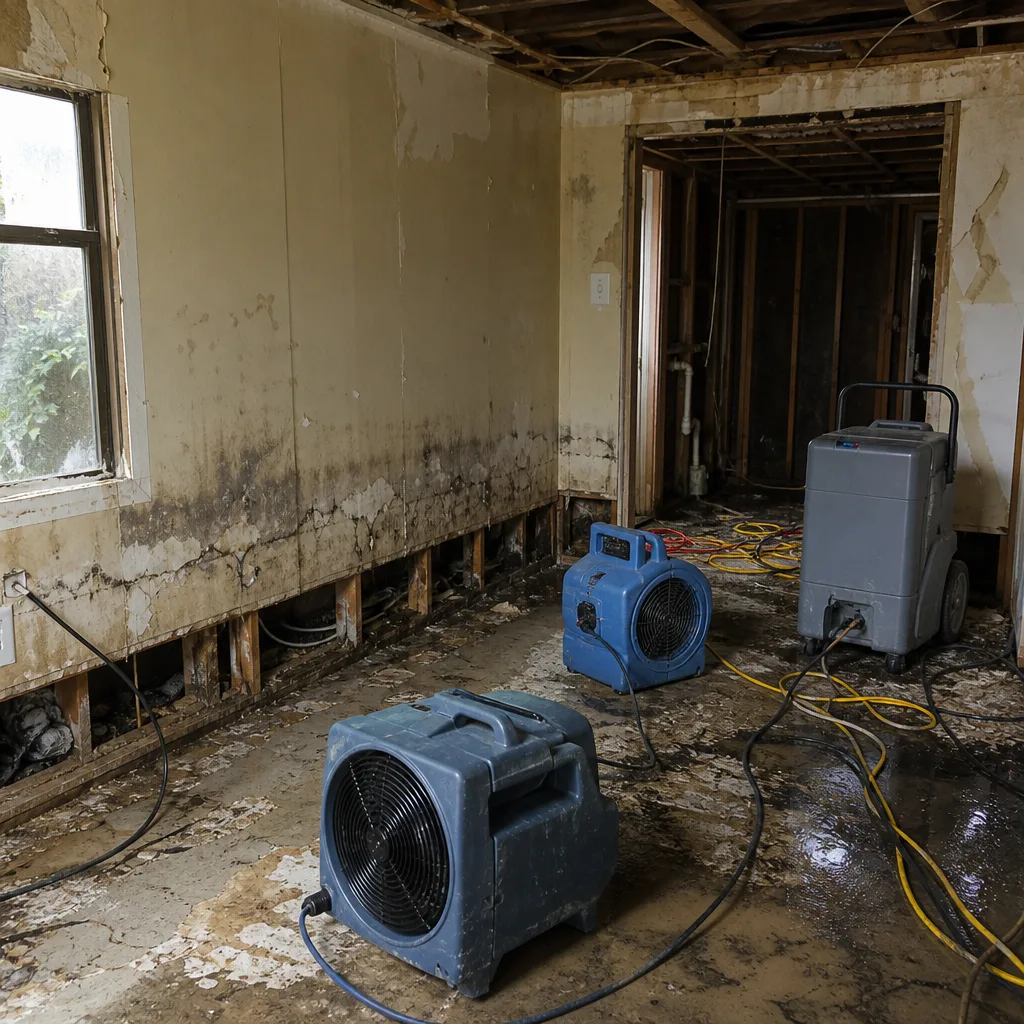 Before
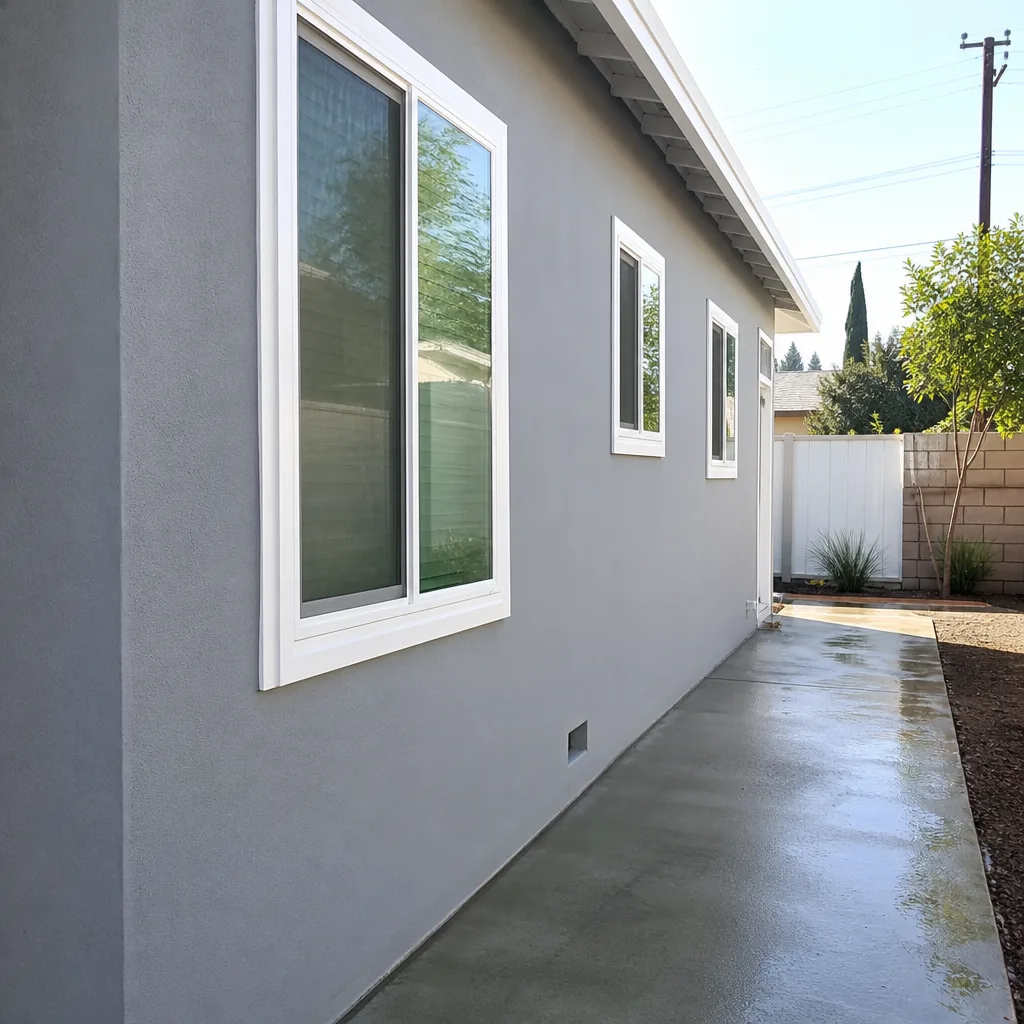 After
After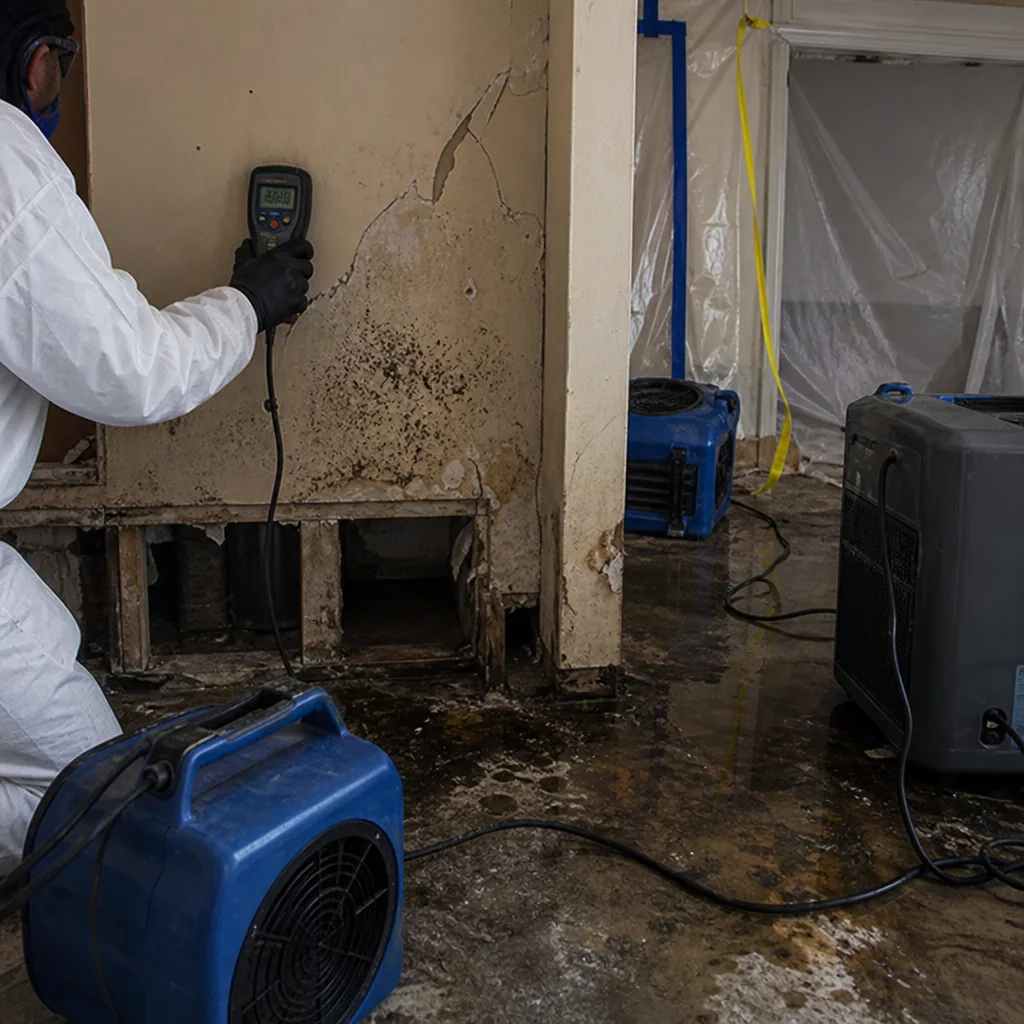 Before
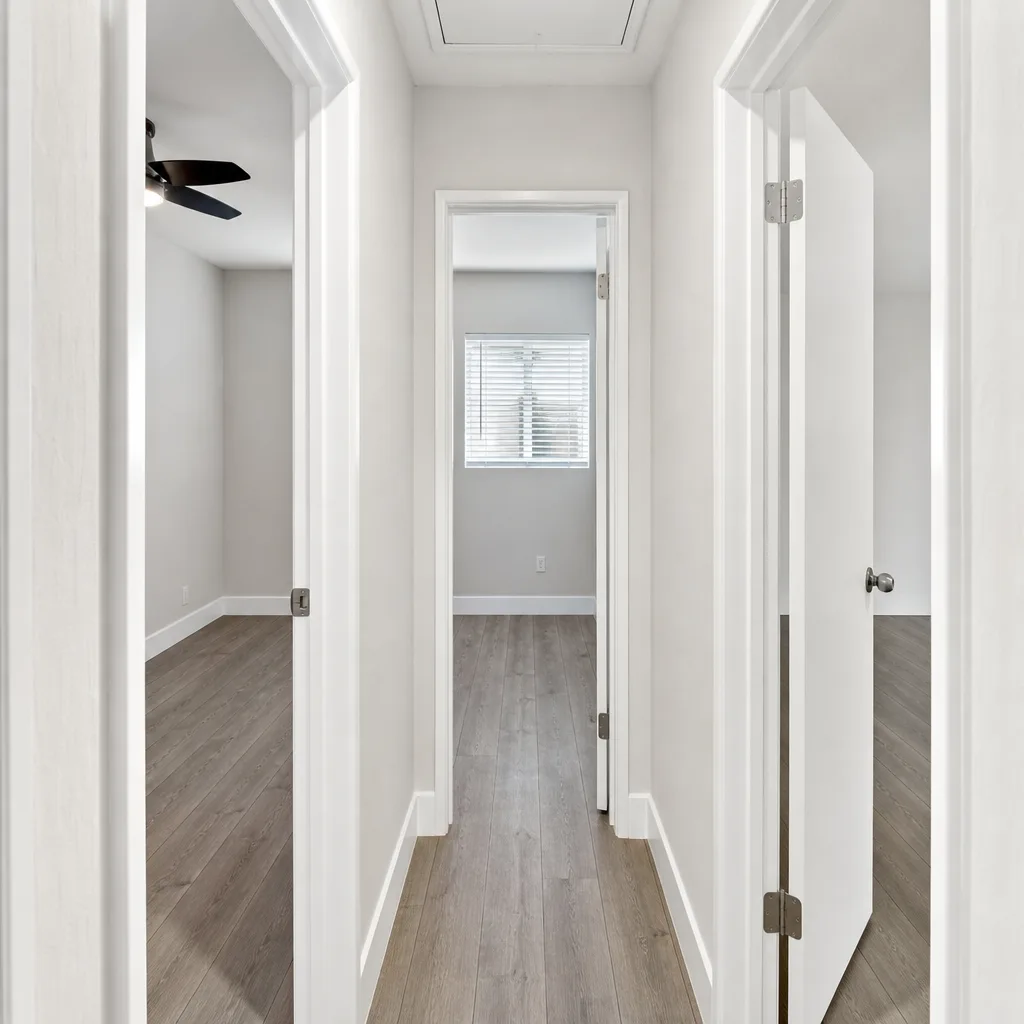 After
After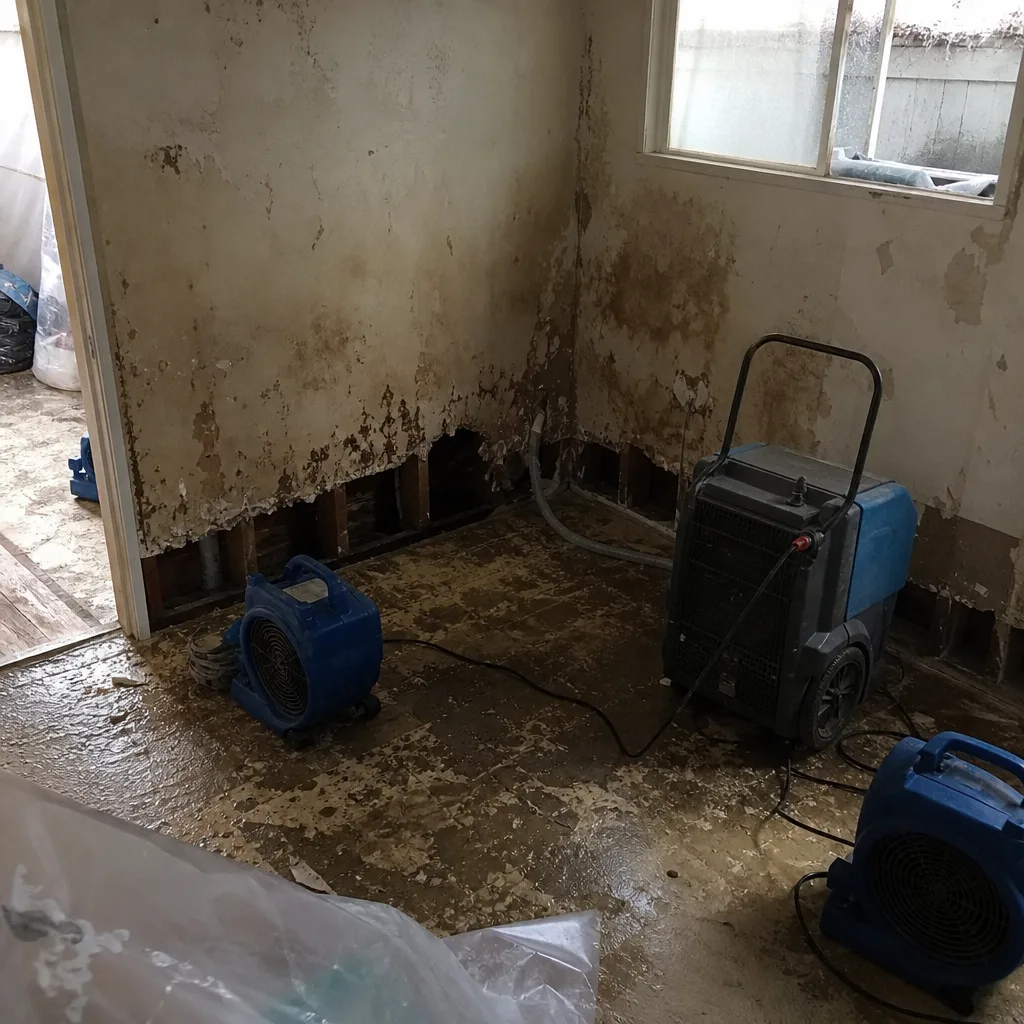 Before
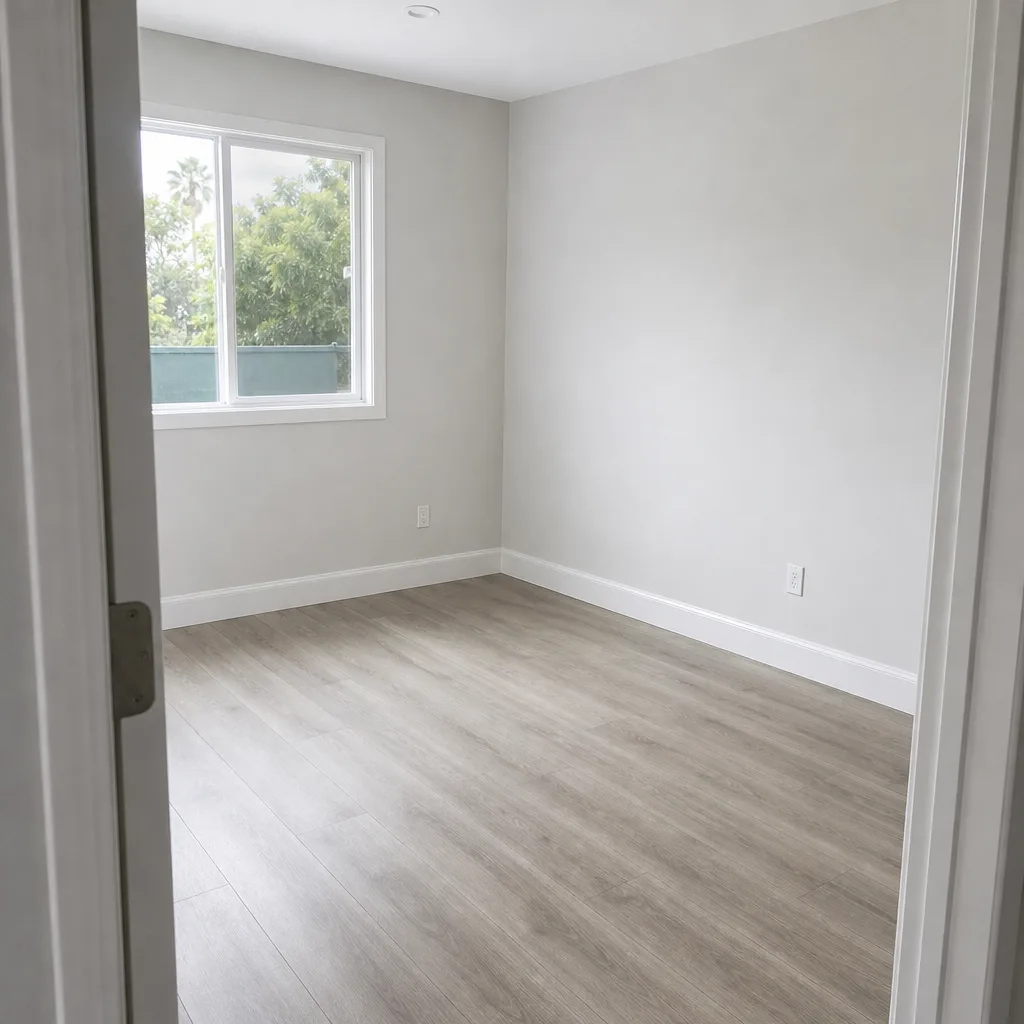 After
AfterPricing for Storm Damage Restoration in Rolling Hills Estates, CA
Basement flood cleanup in Rolling Hills Estates generally runs $1,800 to $4,200 for extraction and drying of finished lower-level space. Full storm restoration that includes structural drying, drywall removal, and containment typically lands between $3,500 and $9,500. What moves the number: square footage affected, whether custom cabinetry or millwork must be removed and reset, the water category involved, and how long water sat before crews arrived. Category 2 storm runoff costs more to mitigate than clean category 1 supply water because it requires containment and antimicrobial treatment. Every job gets a written price before work begins, and every repair is covered by our 365-Day Done Right Promise, a printed, time-stamped guarantee on every work order. If the repair isn’t right within a year, we make it right, including a free second visit. Call (562) 999-7643 for a free estimate.
We Also Serve Cities Near Rolling Hills Estates
Our storm damage restoration crews serve the surrounding South Bay and Harbor communities, including Long Beach, Huntington Beach, Carson, and Garden Grove. If you’re in Rolling Hills Estates or any of those nearby cities and water is moving through your home, call (562) 999-7643. A live person answers 24/7.
Serving Rolling Hills Estates, CA - Our Local Coverage Area
We’re based in the Rolling Hills Estates area and know this community well. Use the map below to see our service coverage - if you’re nearby, we can almost certainly help.
FAQs About Storm Damage Restoration in Rolling Hills Estates
Mold can begin colonizing wet drywall within 24 to 48 hours in Rolling Hills Estates, and the coastal marine layer shortens that window further because ambient humidity stays elevated. The answer is to start drying within hours, not days. That’s why our crews respond within 60 to 90 minutes to Rolling Hills Estates storm emergencies. Call (562) 999-7643 and a live person answers, not a voicemail.
Yes, the persistent marine layer fog and salt air in Rolling Hills Estates keep damp building materials from releasing moisture naturally, which means structural drying times run longer here than inland. We account for that with aggressive dehumidification and continuous psychrometric monitoring. Skipping that step leaves walls and floors damp behind the surface. Our Dri-Eaz and Phoenix equipment is sized for exactly that condition.
Restoration professionals classify water as category 1 (clean), category 2 (contaminated, like storm runoff), or category 3 (grossly contaminated, like sewage). In Rolling Hills Estates, storm flooding that moves across equestrian lots or through private road culverts is almost always category 2, because it carries soil, animal waste, and debris. Category 2 requires containment, antimicrobial treatment, and more thorough structural drying. We explain the category and what it means for your home before any work begins.
Because hillside homes in Rolling Hills Estates hide slow seepage behind custom built-ins and under slab foundations, where water can travel for months before surfacing as visible damage. A cabinet run against an exterior wall can conceal a full wall-cavity loss. Our crews use moisture mapping and thermal imaging to find what isn’t visible, then pull only what must be removed and preserve the millwork.
Equestrian zoning in Rolling Hills Estates means many lots include paddocks, private roads, and septic systems, and stormwater often originates from irrigation-fed slope erosion rather than municipal supply line breaks. That changes where we look first. We check culverts, paddock drainage, and hillside grading before assuming the water came from inside the home. Tens of thousands of dollars of interior damage often traces back to an undersized drain outside the garage.
Call Marsh Water Damage Long Beach for Storm Damage Restoration in Rolling Hills Estates
If storm water is inside your Rolling Hills Estates home right now, call (562) 999-7643. A live person answers 24 hours a day, 7 days a week, including holidays. We’ll dispatch a crew to Rolling Hills Estates, send you the technician’s name and photo before arrival, and put a written price in your hands before any work starts. Tobias Reyner and the Marsh team have handled hillside estates, custom millwork, and coastal moisture conditions across this city long enough to know what’s at stake. The water goes out. The uncertainty ends. Call now for a free estimate.
Written by Tobias Reyner, Owner at Marsh Water Damage Long Beach, serving Rolling Hills Estates since 2005.