
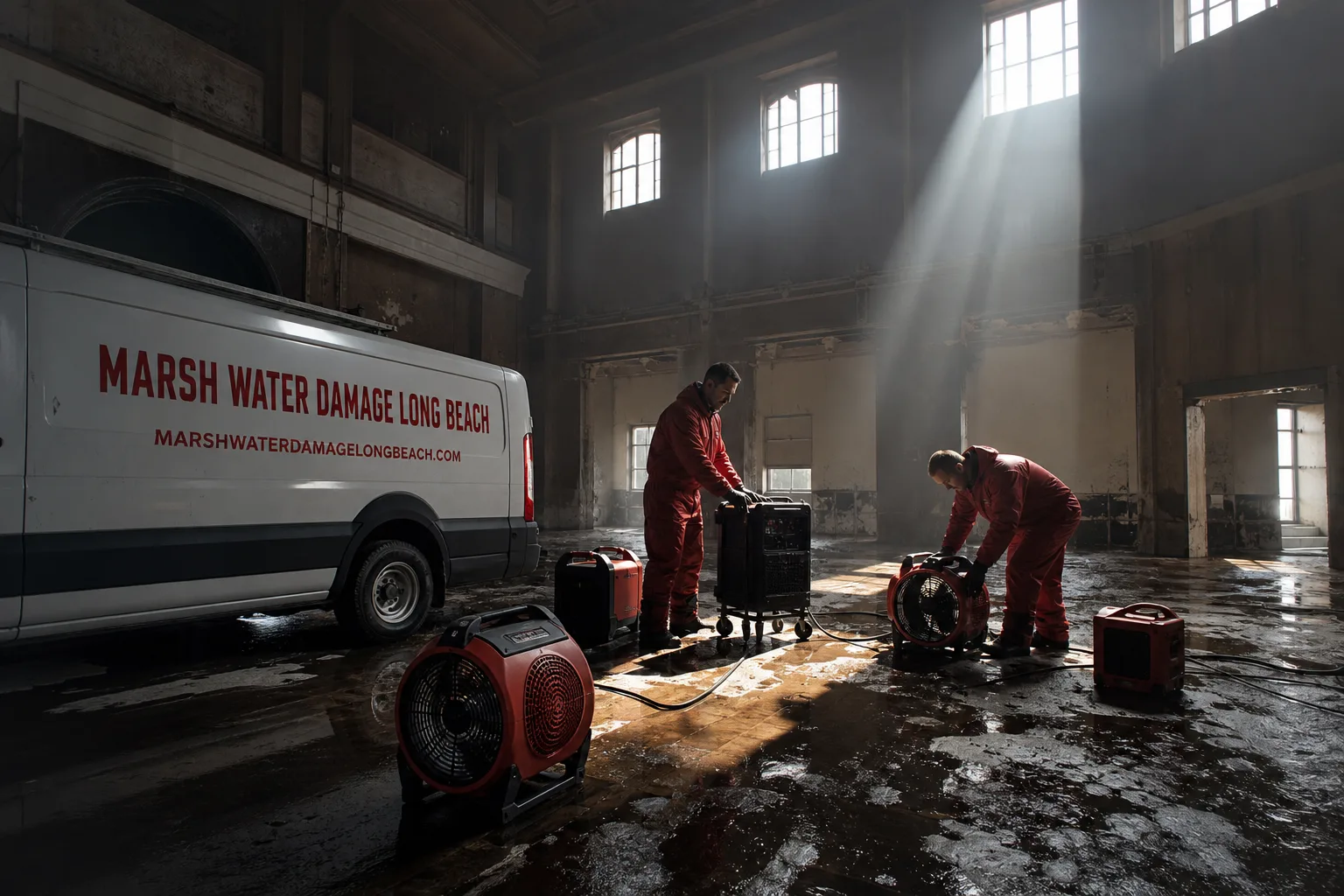
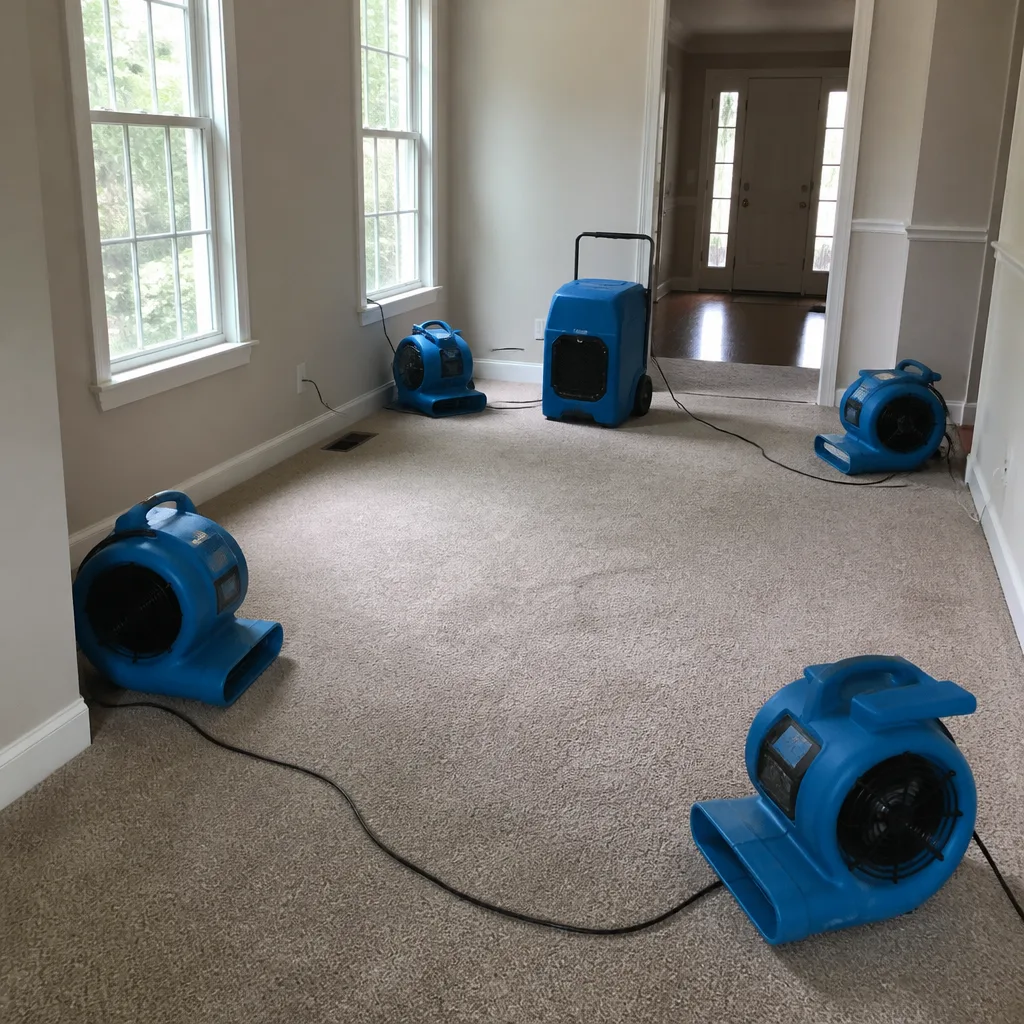
 Water damage drying
 Fire & smoke cleanup
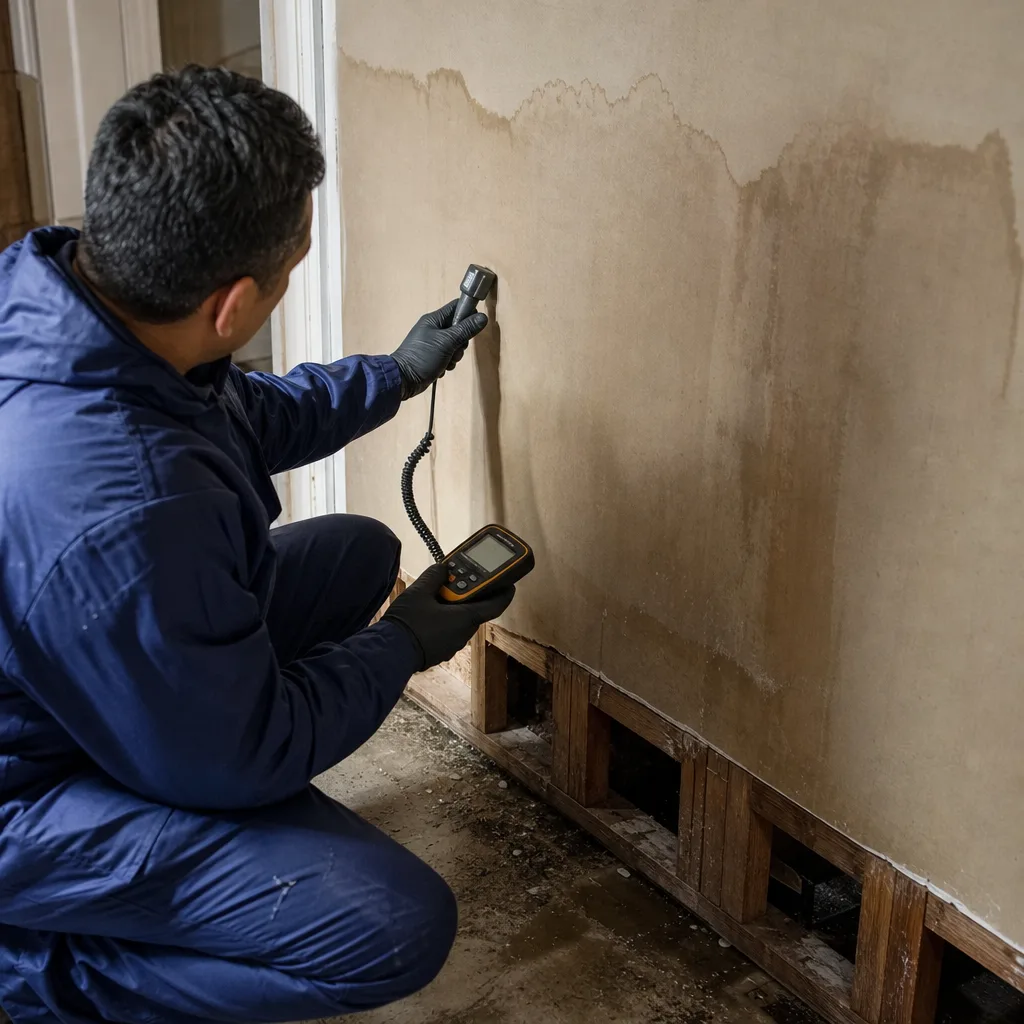
 Mold remediation
 Storm response
 Sewage cleanup
 Reconstruction
Free visual inspection and a written scope of work before any mitigation begins - photos, moisture readings, and drying logs go in your claim file
The scope we write is the scope we bill. Anything new gets shown to you, in writing, before we touch it.
Get your free estimateRestoration work we handle
See the difference
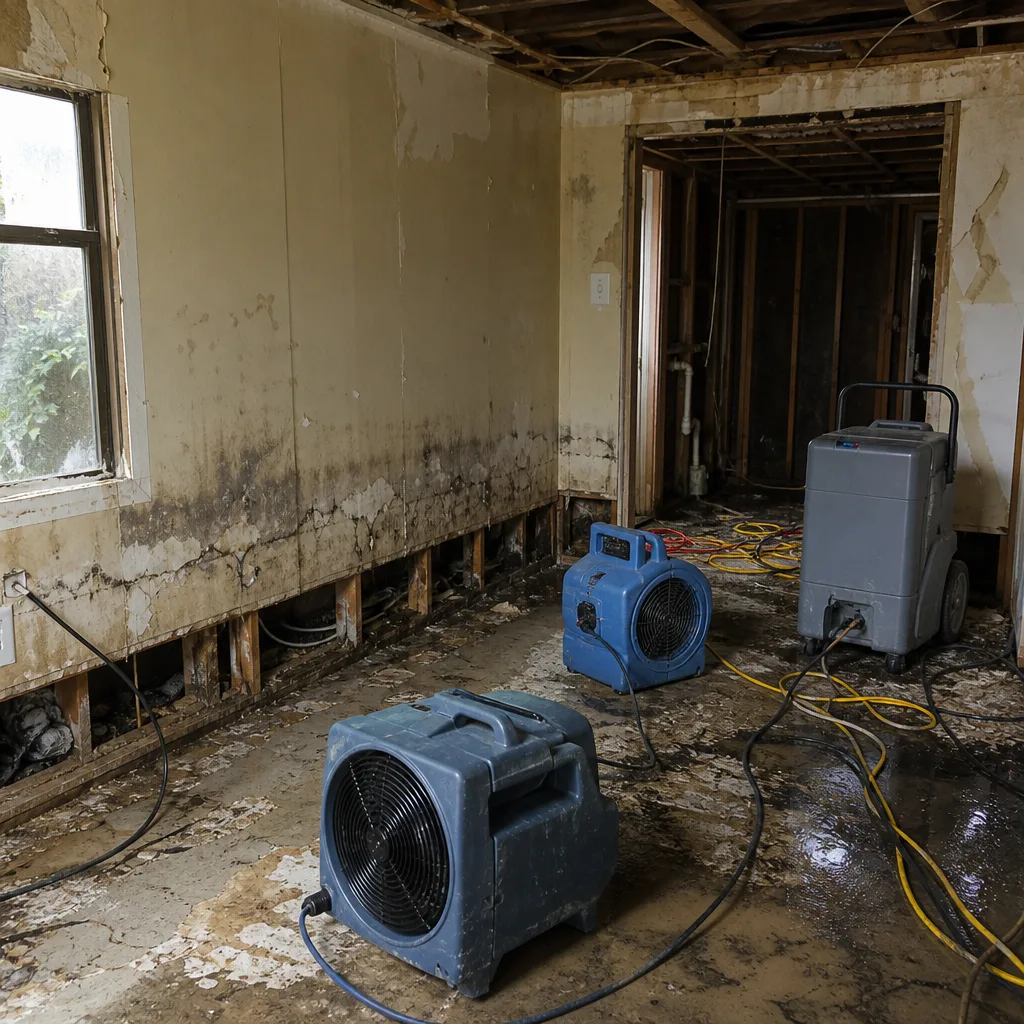 Before
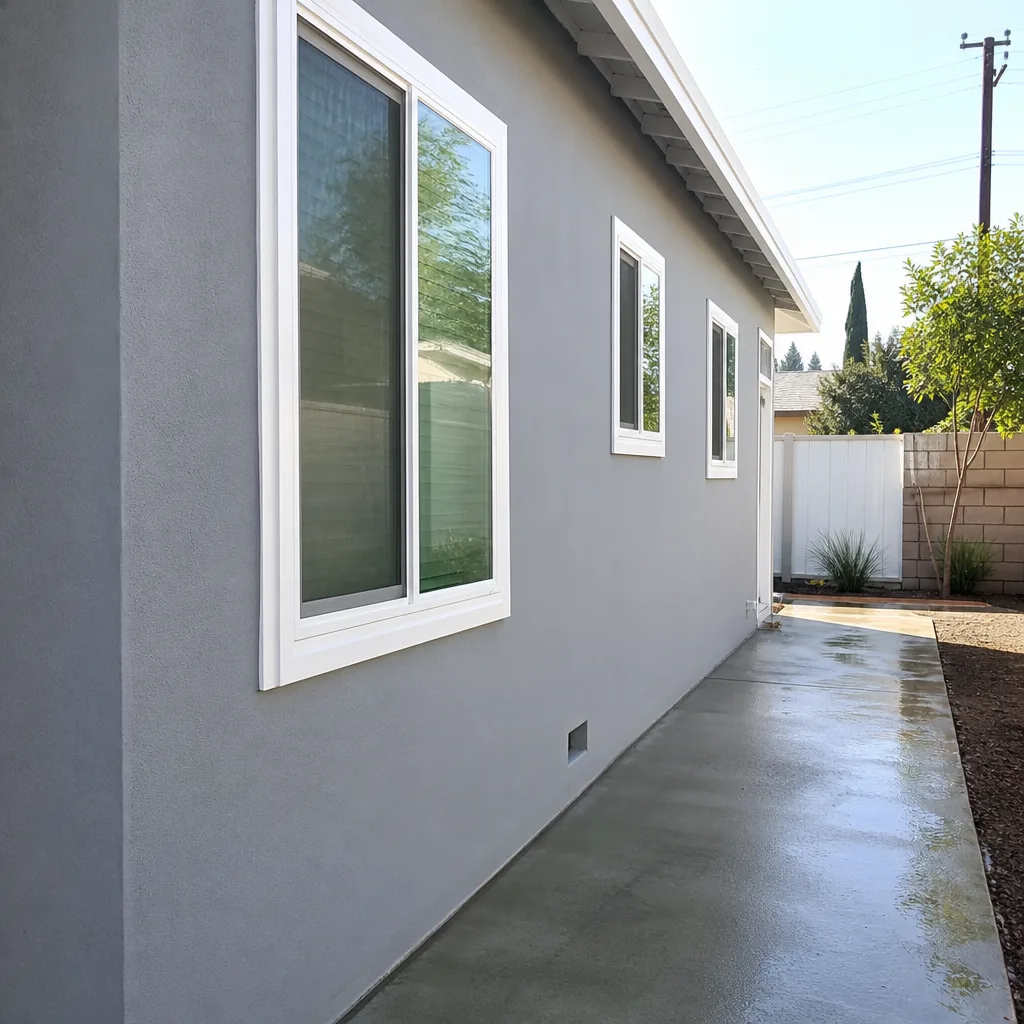 After
After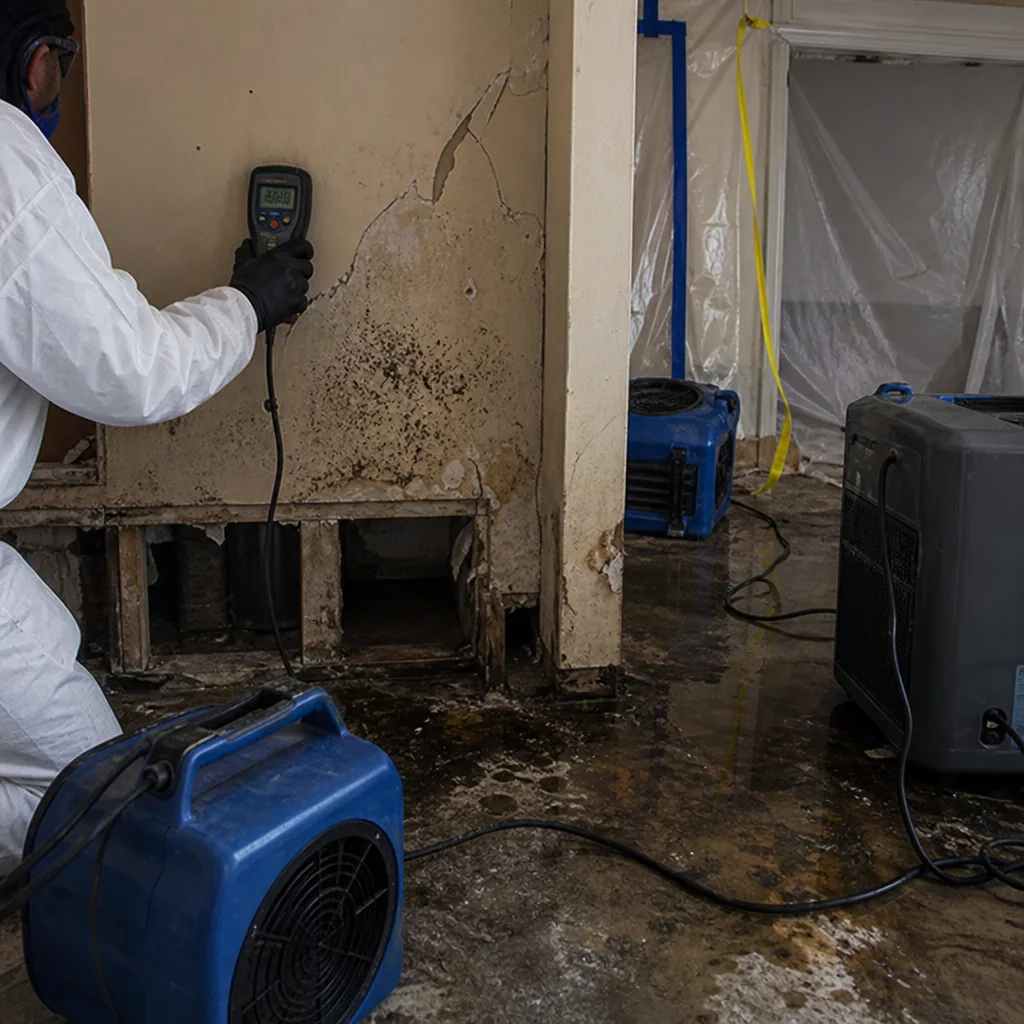 Before
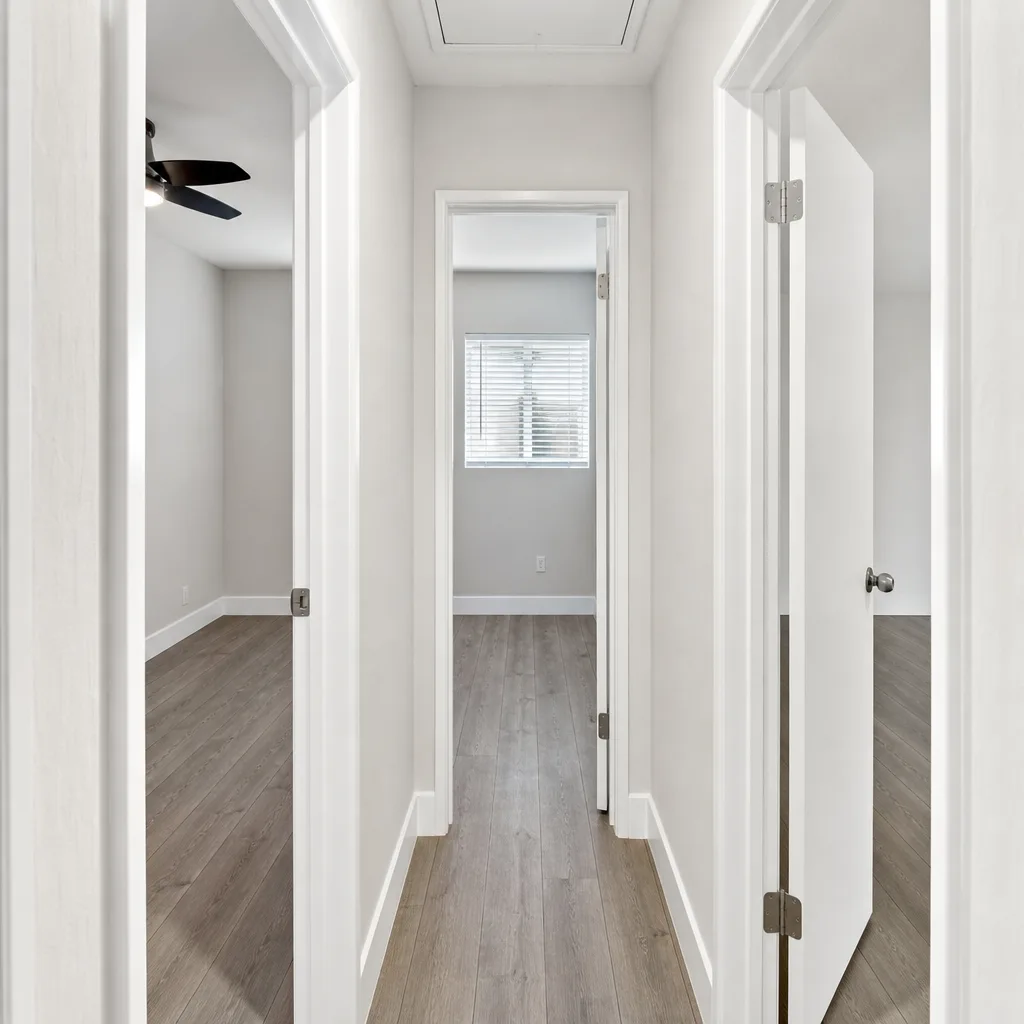 After
After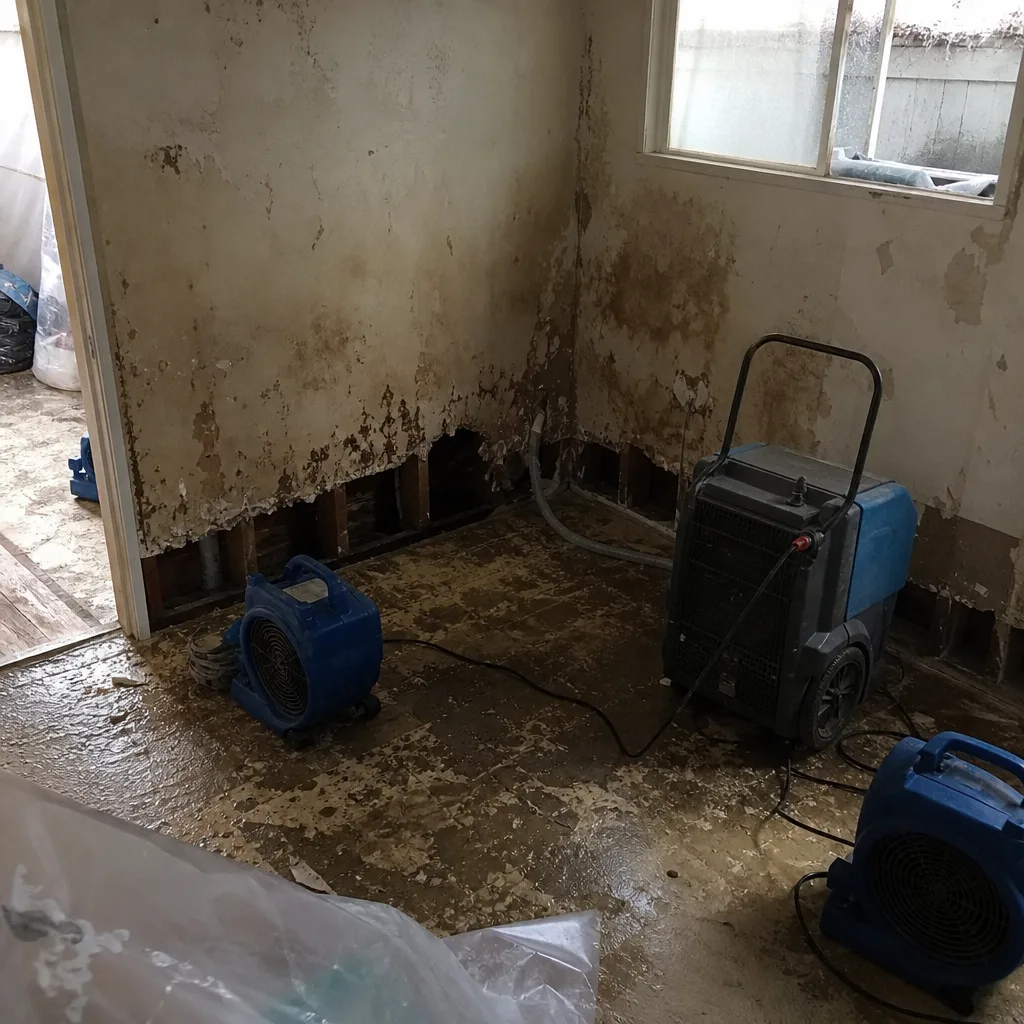 Before
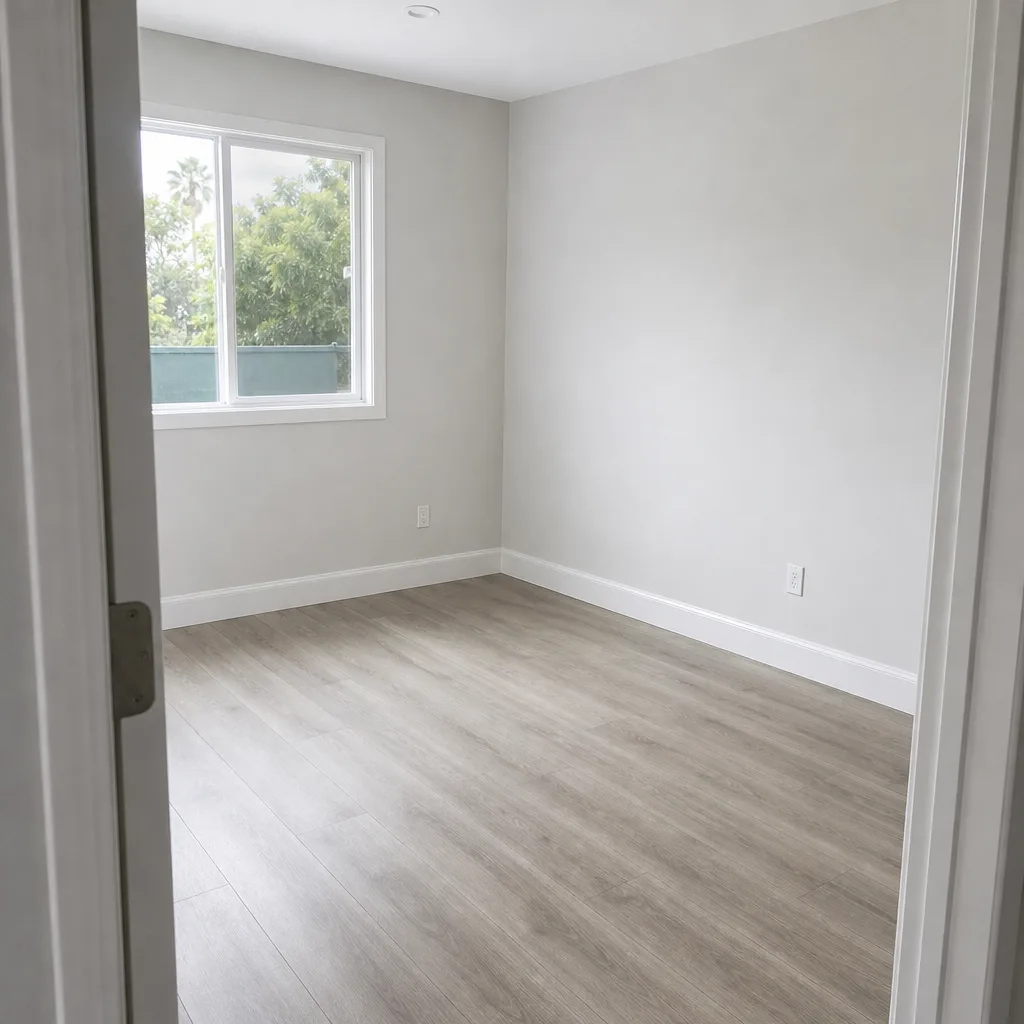 After
AfterHow Much Does Storm & Disaster Restoration Cost in Long Beach?
Storm and disaster restoration in Long Beach typically runs between $3,200 and $18,500 for most residential jobs, with water extraction alone averaging $1,200 to $4,800 and full structural drying adding $2,000 to $7,000. Homes in flood-prone zones like Naples Island, Belmont Shore, and the Peninsula deal with saltwater intrusion and storm surge that pushes costs toward the higher end because salt corrodes wiring and wicks into drywall faster than freshwater. A small roof leak from a winter storm might stay under $2,000, while a full garage flood with contaminated water can exceed $25,000 once drywall, insulation, and flooring come out.
We publish these numbers because Long Beach homeowners deserve a straight answer before they pick up the phone. The ranges below reflect what we’ve seen on hundreds of local jobs since 2005, adjusted for 2026 material and labor costs in the LA County market.
Storm & Disaster Restoration Cost Breakdown (2026)
Here’s what storm restoration actually costs in Long Beach, line by line. These are real working numbers, not national averages that ignore Southern California labor rates and Long Beach’s specific building stock: 1920s Spanish Colonials in Bluff Heights, 1950s stucco boxes in Los Altos, and mid-century apartments near CSULB all have different framing, plaster, and drainage characteristics that change the job.
| Service Line Item | Typical Long Beach Range | What It Includes |
|---|---|---|
| Emergency water extraction | $1,200 – $4,800 | Standing water removal, initial assessment, containment setup |
| Structural drying (equipment 3 – 5 days) | $2,000 – $7,000 | Commercial dehumidifiers, air movers, psychrometric monitoring |
| Storm debris removal | $450 – $1,800 | Downed limbs, roof material, wind-blown debris, haul-away |
| Roof tarping / emergency patching | $350 – $1,200 | Prevents additional water entry; temporary until roofing crew arrives |
| Drywall removal & replacement | $2,800 – $8,500 | Demo, haul-away, new drywall, tape, texture, prime |
| Flooring removal & replacement | $1,500 – $9,000 | Depends on material: laminate, hardwood, tile, carpet |
| Mold remediation (if needed) | $1,800 – $7,500 | Containment, HEPA air scrubbing, antimicrobial treatment |
| Content pack-out & cleaning | $800 – $3,500 | Moving, cleaning, storing personal property during restoration |
What drives cost up or down? The single biggest factor is water category. Category 1 (clean water from a burst supply line or rain through a small roof breach) is the cheapest to fix because you dry and move on. Category 3 (storm surge, sewage-adjacent floodwater from the Los Angeles River overflow, or water that sat for days) requires removal, disposal, and antimicrobial treatment, which adds 40 – 60% to any job. In Long Beach specifically, homes east of Cherry Avenue and south of Ocean Boulevard are more likely to see Category 3 because storm drains back up toward Alamitos Bay during heavy rain events.
Access matters too. Crawlspaces under 1920s bungalows in Rose Park are tight and often contain knob-and-tube wiring, so setup takes longer. Slab-on-grade homes in East Long Beach dry differently; you’re not fighting a damp crawlspace but you may be cutting into concrete-adjacent walls. Both change the number.
What Affects Storm & Disaster Restoration Pricing in Long Beach
- Water category and contamination level. Clean rainwater costs the least to address. Saltwater from storm surge near the Peninsula or floodwater from backed-up storm drains carries contaminants that require full removal, not just drying. Long Beach’s proximity to the ocean means salt content in floodwater accelerates metal corrosion, so HVAC registers, plumbing straps, and electrical boxes often need closer inspection.
- Square footage and number of affected rooms. A flooded laundry room in Bixby Knolls is a one-day extraction. A storm that drops water through a leaking roof into three upstairs bedrooms in El Dorado Park means containment in multiple zones, which multiplies equipment and labor.
- Age and construction type of the home. Homes built before 1960 in neighborhoods like California Heights and Belmont Heights often have plaster-and-lath walls instead of drywall. Plaster takes longer to dry, holds moisture differently, and sometimes requires more invasive demo to assess framing. That’s not a flaw in the house; it’s just a fact of restoring pre-war construction correctly.
- How quickly water is addressed. A storm leak caught within 24 hours and dried with commercial equipment (the stuff we run from Dri-Eaz, Phoenix, and XPOWER) rarely becomes a mold project. Water that sits for 5 – 7 days while a homeowner waits on insurance approval grows microbial activity that adds remediation to the restoration bill. Speed is the cheapest insurance policy there is.
- Contents and personal property. Some Long Beach homes have finished garages, collected art, or heirloom furniture that needs pack-out, cleaning, and temporary storage. A sparse rental unit costs less to restore than a fully furnished craftsman in Rose Park with 30 years of accumulated life.
- Insurance scope and documentation requirements. When a carrier is involved, the restoration team documents every step with photos, moisture readings, and equipment logs. That’s work that protects your claim, and it’s built into the job cost. If you’re paying out of pocket, we can discuss what can be streamlined.
How to Save on Storm & Disaster Restoration
You can’t shop around for price while water is actively spreading through your hallway at 2 a.m. But you can make decisions that keep the total bill lower when a storm hits Long Beach.
First, act fast. Every 24 hours that water sits in porous materials like drywall, hardwood, and insulation increases both the damage and the cost to fix it. In Long Beach’s marine layer humidity, things don’t air-dry on their own, even in summer. A 72-hour delay often turns a $2,500 drying job into a $7,000 remediation job.
Second, separate what needs professional restoration from what you can handle. Picking up downed branches and moving furniture away from wet walls is your call. Cutting into walls or attempting to dry structural cavities with a rented box fan from the hardware store usually makes things worse. The equipment matters: the dehumidifiers and air movers we run from Dri-Eaz, Phoenix, XPOWER, B-Air, and Injectidry move 2,000 to 5,000 cubic feet of air per minute and remove gallons of water per day. A rental fan moves air. Those are not the same job.
Third, get a written price before work starts. This sounds obvious, but the restoration industry has a reputation for “estimates” that balloon after demo begins. The Threshold Standard our crews follow includes a written price before any work begins, in part so the math never changes on you mid-job. If a company won’t give you a dollar number, that’s a signal.
Fourth, ask about what’s actually covered. A cheap quote that excludes equipment rental days, debris haul-away, or antimicrobial treatment isn’t a cheap quote, it’s an incomplete one. We’d rather show you a higher total that’s accurate than a lower total that surprises you later. Call (562) 999-7643 and we’ll walk through your specific situation, out loud, in plain language, for free.
How Storm Restoration Works: What We Actually Do
Here’s the sequence on a typical Long Beach storm damage job, from first call to final walkthrough. This is the same process we use whether we’re pulling water out of a flooded garage in Naples or drying a ceiling collapse in Wrigley.
- First call, live person, 24/7. You call (562) 999-7643. A real person answers, including at 3 a.m. during a rain event. We take your address, ask what happened, and tell you who is coming: name, photo, and ETA sent to your phone before the tech leaves our shop. That’s the Threshold Verified protocol, and it’s the same on every single job.
- On-site assessment and written price. The tech arrives in uniform, shows photo ID at the door, and walks the affected area. We check the water source, identify the category, take psychrometric readings (measuring the moisture in the air and building materials to know exactly how wet things are), and write you a line-item price. You approve it before we touch anything. No surprises, no “we found more once we opened the wall” unless you’re standing there approving the change.
- Water extraction. Truck-mounted and portable extraction units pull standing water out. This is the fastest part of the job and it’s the part that does the most to protect your floors and subfloor.
- Controlled demolition (when necessary). Wet drywall, soaked insulation, and compromised flooring get cut out and removed. We’re not demolition-happy; we remove what’s wet and leave what’s dry. You’d be surprised how often a wall that looks destroyed only loses its bottom 24 inches.
- Structural drying. We set commercial dehumidifiers, air movers, and specialized drying mats (we use Injectidry systems for hardwood and hard-to-reach cavities) and leave them running for 3 to 5 days. We return daily to take psychrometric readings. When the numbers say the structure is genuinely dry, not just dry on the surface, we pull equipment.
- Cleaning, antimicrobial treatment, and odor control. Hard surfaces get cleaned and treated. If the water was Category 3, this step also includes HEPA air scrubbing to settle airborne particles.
- Repairs and rebuild. We hang new drywall, lay new flooring, repaint, and make the space look like the storm didn’t happen. The 365-Day Done Right Promise covers every repair we make for a full year. If something is not right, we come back and fix it, free. That’s printed on the work order.
- Final walkthrough and documentation. You walk the space with the lead tech, we review what was done, and you get a copy of everything for your insurance file.
This is the process we’ve run for 20 years in Long Beach, and it’s the same every time. No shortcuts when water is involved, because a shortcut that leaves moisture behind becomes mold six weeks later.
Long Beach Specifics: What Makes This Market Different
Long Beach is not inland Los Angeles. Our restoration work here is shaped by three local realities that don’t show up in national pricing guides.
Salt air and saltwater intrusion. Homes in Naples, the Peninsula, and Belmont Shore sit at or near sea level, and when storm surge or extreme high tides push water in, that water is saline. Salt accelerates rust on metal framing connectors, electrical boxes, and HVAC components. A freshwater dry-out in Bixby Knolls and a saltwater dry-out in Naples are different jobs, and the Naples job always includes corrosion inspection.
Storm drain backups, not just roof leaks. Long Beach’s flat topography and aging storm drain infrastructure mean heavy rain often backs up street drains before roofs even leak. We respond to more first-floor and garage floods from drain backups in central Long Beach neighborhoods than from actual roof failures. That water is Category 3: it’s been in the street, it’s touched whatever was on the street, and it requires full removal, not drying.
Housing stock variety. From 1910s beach cottages to 2000s stucco townhomes, Long Beach was built in layers. Each layer has different framing, different wall materials, and different drainage behavior. Our techs know the difference between a lath-and-plaster wall in Rose Park and a drywall partition in a newer build near the Traffic Circle, and the restoration approach changes accordingly.
When you call us about storm damage, you’re not getting a generic national franchise script. You’re getting a crew that has worked this specific city since 2005, knows the neighborhoods, knows the housing types, and knows what Long Beach water does to Long Beach homes.
FAQs – Storm & Disaster Restoration Cost
How much does storm damage restoration cost in Long Beach?
Most Long Beach storm restoration jobs run between $3,200 and $18,500. Water extraction starts around $1,200, full drying with commercial equipment typically runs $2,000 to $7,000, and rebuild work (drywall, flooring, paint) adds $2,800 to $17,000 depending on the scope. A contained single-room leak sits at the low end; a Category 3 flood affecting multiple rooms and finished flooring sits at the high end. Call (562) 999-7643 and we’ll give you a specific number for your house, not a national guess.
Is it cheaper to repair or replace water-damaged drywall?
In nearly every case, replacing water-damaged drywall is cheaper than trying to repair it. Wet drywall loses structural integrity and becomes a mold food source, and in Long Beach’s humidity it won’t reliably dry in place. The cost to cut out and replace a standard 8-foot wall section of drywall runs $280 to $650 including materials, while “saving” the drywall usually means spending $150 to $400 on drying attempts that still leave you with a compromised wall. Replacement is the honest fix, and it’s what we recommend when the water has saturated the gypsum core.
How much does water extraction cost in Long Beach?
Emergency water extraction in Long Beach runs $1,200 to $4,800 depending on the affected square footage, water category, and accessibility. A single flooded room in a slab-on-grade home lands near $1,200 to $2,000. Multi-room flooding with carpet, padding, and crawlspace access pushes toward $3,500 to $4,800. This is the first thing we do, and it’s included in every storm restoration job at the written price you approve before we start.
Does homeowners insurance cover storm damage restoration in Long Beach?
Most standard homeowners policies cover sudden storm damage, including wind-driven rain, roof leaks, and flooding from a storm drain backup if you carry the proper endorsement. Standard policies do NOT cover rising floodwater (storm surge, overflowing channels), which requires separate flood insurance. Long Beach homes in FEMA flood zones, including much of Naples and the Peninsula, typically carry flood policies. We document every job with photos, moisture readings, and equipment logs formatted for insurance adjusters, and we’ll help you understand what your policy covers before work begins.
Can you come today for storm damage in Long Beach?
Yes. We answer the phone 24/7 with a live person, and we dispatch same-day for storm damage emergencies throughout Long Beach, from Downtown to Los Altos to the Traffic Circle. When a storm hits and water is entering your home, waiting 48 hours for an appointment is not an option. Call (562) 999-7643 and we’ll tell you who is coming, and when, before you hang up.
How much does mold remediation cost after storm damage in Long Beach?
Mold remediation after storm damage in Long Beach runs $1,800 to $7,500 for typical residential jobs. Small contained areas (under 10 square feet of visible mold, like a closet wall after a ceiling leak) run $1,800 to $3,200. Larger affected areas behind walls or under flooring run $4,000 to $7,500, especially when containment, HEPA air scrubbing, and antimicrobial treatment are required. The best way to keep mold costs at zero is to dry the structure correctly the first time, which is what our psychrometric monitoring is designed to do.
Is storm damage restoration in Long Beach more expensive near the water?
It can be. Homes in Naples, Belmont Shore, and the Peninsula face saltwater intrusion and Category 3 contamination more often than inland neighborhoods, and saltwater damage requires corrosion inspection, antimicrobial treatment, and sometimes more aggressive material removal. That adds 25 to 50% compared to a similar freshwater job in Bixby Knolls or California Heights. The geography changes the water, and the water changes the job.
Get a Straight Answer: Call Us
If you’re standing in a wet living room in Long Beach right now, or you just discovered a ceiling stain after last night’s rain, you don’t need more reading. You need a price and a plan. Call (562) 999-7643, talk to a live person, and get a written estimate from a crew that’s been restoring Long Beach homes since 2005. Every tech who shows up at your door is background-checked, identity-verified, and sent to you by name and photo before the knock. That’s the Threshold Standard, and it applies to every visit, every time.
Pricing reflects the Long Beach market as of 2026. Marsh Water Damage Long Beach offers free estimates – call (562) 999-7643.
Written by Tobias Reyner, Owner at Marsh Water Damage Long Beach, serving Long Beach since 2005.
What Our Customers Say
"Dishwasher leak had gone under the kitchen floor. They found it with a thermal camera and dried it without ripping up everything."
- Helen B."Pipe broke under the sink and soaked the cabinet and floor. They extracted the water, removed the wet flooring, and documented everything for the insurance."
- Judith L."Mold test came back clean after their drying. Peace of mind for us."
- Lydia F.