
Last updated October 16, 2026
 Water damage drying
 Fire & smoke cleanup
 Mold remediation
 Storm response
 Sewage cleanup
 Reconstruction
Free visual inspection and a written scope of work before any mitigation begins - photos, moisture readings, and drying logs go in your claim file
The scope we write is the scope we bill. Anything new gets shown to you, in writing, before we touch it.
Get your free estimateThe Complete Guide to Damage Restoration in Long Beach
The average Long Beach homeowner calls a restoration company 47 minutes after discovering water damage. That’s 47 minutes spent searching for a phone number, calling two or three places, and hoping someone answers. What doesn’t happen in those 47 minutes: learning a single thing about what restoration actually involves, what it should cost, or what questions to ask before a crew walks through the door. That gap between “I called someone” and “I understand what’s happening in my house” is where most costly mistakes live. This guide closes that gap.
We’re going to walk through every phase of damage restoration in Long Beach, from the first wet carpet to the final inspection, so you can make decisions instead of just react. You’ll learn what equipment belongs in your home on day one, why our coastal humidity changes the drying math, what “complete restoration” actually means in California, and how to spot a contractor who’s quoting one thing and planning to bill for another. By the time you finish, you’ll know more than most people do halfway through their own restoration job.
Restoration work we handle
Quick Answer
Damage restoration in Long Beach is the process of returning a water-damaged, mold-affected, or storm-damaged home to its pre-loss condition through emergency extraction, structural drying, moisture mapping, rebuild, and clearance. Most residential water extraction jobs run between $1,200 and $4,500 before drying equipment is set, and complete restoration typically takes 5 to 14 days depending on the extent of damage and Long Beach’s coastal humidity levels. The single most important decision you’ll make is choosing a company that provides a written price before work starts and tells you exactly who’s showing up at your door.
Table of Contents
- What Damage Restoration Actually Means
- The Five Phases of a Real Restoration Job
- Why Long Beach’s Coastal Humidity Changes Everything
- What IICRC S500 Standards Mean for Your Home
- Mitigation vs. Restoration: Why Some Contractors Quote One and Bill for Both
- What “Complete Restoration” Legally Means in California
- What Damage Restoration Costs in Long Beach
- Common Mistakes to Avoid
- When to Call a Professional
- Frequently Asked Questions
- The Bottom Line
What Damage Restoration Actually Means
Restoration is not cleaning. It’s not drying things out with a fan and hoping for the best. Restoration is a technical process with defined steps, measurable outcomes, and written documentation at each stage. The goal is to return your home to its condition before the damage happened, not to make it look okay on the surface while problems fester underneath.
In Long Beach, restoration work falls into three main categories. Water damage restoration in Long Beach deals with everything from burst pipes and appliance failures to sewage backups and roof leaks. Mold remediation in Long Beach addresses fungal growth that develops after water intrusion or from our persistent coastal moisture. Storm damage restoration in Long Beach handles what happens when heavy rain, wind, or flooding breaches your home’s defenses. Each category has its own protocols, equipment, and timelines, but they all share the same fundamental framework.
The distinction between mitigation and restoration matters because it affects everything about your job, from the timeline to the final bill. Mitigation is the emergency work: stopping the water, removing the water, and preventing the damage from spreading. Restoration is the rebuild: replacing drywall, repainting, reinstalling flooring, returning your home to livable condition. We’ll dig into this distinction later because it’s where a lot of Long Beach homeowners get surprised by their invoices.
What separates professional restoration from the DIY approach isn’t effort. It’s instrumentation. A restoration technician doesn’t guess when a wall is dry. They use moisture meters, thermal imaging cameras, and psychrometric readings, which measure the moisture in the air, to determine when the structure is genuinely dry, not just dry on the surface. That’s the difference between a floor that feels dry today and one that’s silently growing mold inside the subfloor.
The Five Phases of a Real Restoration Job
Every legitimate restoration project follows the same five-phase structure. If a contractor can’t tell you what phase your job is in, or what phase comes next, you’re not working with a restoration professional. You’re working with someone who’s improvising at your expense.
Here’s what each phase involves and what you should receive in writing at each step:
Phase 1: Emergency Extraction
This is the get-the-water-out phase. It starts the moment a crew arrives and typically takes 2 to 4 hours for a standard residential loss. Technicians deploy truck-mounted or portable extraction units to remove standing water from floors, carpets, and hard surfaces. They also remove saturated materials that can’t be saved: padding under carpet, soaked drywall, and damaged baseboards. What you should receive in writing: a scope of work documenting what was extracted, what was removed, and what stays.
Phase 2: Structural Drying
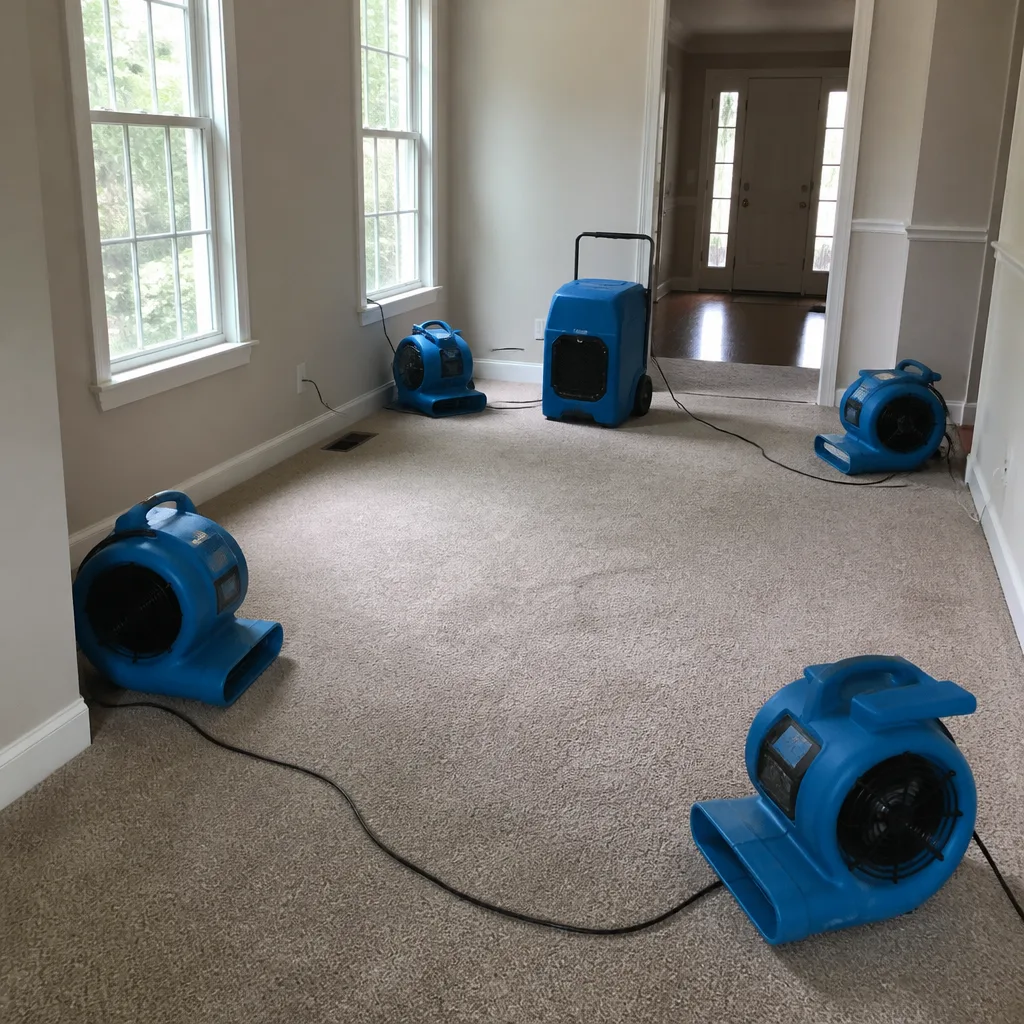
Here’s where the equipment arrives. High-velocity air movers from manufacturers like XPOWER and B-Air get positioned to create airflow across wet surfaces. Commercial dehumidifiers pull moisture from the air. Injectidry systems force air into wall cavities and under cabinets where surface drying can’t reach. This phase typically runs 3 to 5 days, monitored daily with moisture readings. What you should receive in writing: a daily drying log showing moisture content readings from affected areas, plus target dryness levels.
Phase 3: Moisture Mapping
This is the diagnostic backbone of the entire job. Using infrared cameras and penetrating moisture meters, technicians identify exactly where water traveled, including areas that look dry but aren’t. In Long Beach homes with plaster walls or older construction, water often moves through wall cavities in unpredictable ways. Moisture mapping catches what the naked eye misses. What you should receive in writing: a moisture map showing affected areas, readings, and the specific zones requiring treatment.
Phase 4: Rebuild
Once the structure is verified dry, reconstruction begins. This includes new drywall, texture, paint, flooring, trim, and any cabinetry or fixtures that were removed. Some restoration companies handle rebuild in-house. Others subcontract it. What you should receive in writing: a detailed rebuild scope with material specifications, line-item pricing, and a completion timeline.
Phase 5: Clearance
The final step is verification. A clearance inspection confirms that moisture levels are within acceptable ranges, no visible mold remains, and the rebuilt areas meet the original scope. Professional companies document this with final moisture readings and photographs. What you should receive in writing: a clearance report or completion certificate with final readings and photo documentation.
At Marsh Water Damage Long Beach, Ryan Marsh has structured our process so each phase has a paperwork handoff. You never have to ask what’s happening. It’s printed on your work order before we move to the next step.
Why Long Beach’s Coastal Humidity Changes Everything
Long Beach sits on the Pacific with average relative humidity above 70% throughout summer. That single fact changes every drying calculation. In inland California cities like Riverside or Bakersfield, ambient air pulls moisture out of a structure naturally. In Long Beach, the air is already saturated. It’s not helping you dry. It’s slowing the process down.
Here’s what that means for your specific job:
- Longer drying times. A standard drying job that takes 72 hours in Claremont might take 5 days in Belmont Shore or Naples. The equipment has to work harder because the outside air isn’t absorbing anything.
- Higher dehumidifier capacity required. Contractors who fail to account for coastal humidity will undersize their drying plan. You’ll end up with a structure that tests dry on the surface but holds moisture behind walls, which becomes a mold problem months later.
- Secondary damage risk increases. The longer materials stay wet, the more likely you’re dealing with warped hardwood, delaminating cabinets, and microbial growth. Our coastal air means there’s less margin for error on timing.
- Mold growth accelerates. Mold spores need moisture and organic material. Long Beach has both in abundance. Under our conditions, mold can establish itself in 24 to 48 hours after water intrusion. That’s faster than the national average.
In our experience, Long Beach homes present another layer: older construction with lath and plaster walls, unvented crawl spaces, and building materials that have been absorbing coastal moisture for decades. A wall in a 1950s bungalow in Bixby Knolls behaves very differently than a wall in a tract home in Eastvale. Your drying plan has to account for that history. A contractor who applies the same template to every Long Beach neighborhood is guessing.
This is why we don’t quote drying jobs over the phone. We need to see the structure, take initial moisture readings, and calculate the drying load with Long Beach’s humidity in the equation. Anything less is a rough estimate, not a restoration plan.
What IICRC S500 Standards Mean for Your Home
The IICRC S500 is the water damage restoration industry’s rulebook. It’s the standard reference guide for professional water damage restoration, published by the Institute of Inspection, Cleaning and Restoration Certification. When a contractor says they follow IICRC standards, they’re saying they work to a documented set of procedures for everything from initial inspection to final clearance.
But following the standard means more than having a certificate on the wall. Here’s what S500 compliance should translate into physically inside your Long Beach home:
Day 1: You should see extraction equipment pulling standing water within hours. You should see air movers and dehumidifiers positioned based on a calculated drying plan, not scattered randomly. Your technician should be taking initial moisture readings and documenting them.
Day 3: You should see daily monitoring. The equipment configuration may shift as drying progresses. You should receive updated moisture readings showing the structure is trending toward dryness. If readings haven’t budged, the drying plan needs adjustment, and someone should be telling you that.
Day 5 plus: You should be approaching dryness targets, or there should be a documented explanation for why the job is taking longer. Long Beach humidity is a legitimate factor here, but so are equipment undersizing and improper placement. The standard requires demonstrable progress.
One detail worth knowing: the S500 categorizes water damage into three classes, from Class 1 (least severe) to Class 3 (most severe). Class 3 water loss involves water that has wicked up walls, saturated insulation, and come from overhead. Most Long Beach water damage from a burst supply line in a typical home lands at Class 2. If a contractor tells you the whole house needs Class 3 treatment when water was contained to one room, ask them to show you why.
Our team at Marsh Water Damage Long Beach home holds IICRC credentials because the standard exists for a reason: homeowners deserve consistency. You should not get three different answers from three different companies about whether your house is dry. You should get documented readings that tell one coherent story.
Mitigation vs. Restoration: Why Some Contractors Quote One and Bill for Both
This is the conversation most Long Beach homeowners never get to have, because nobody explains it until the invoice arrives. Mitigation and restoration are two separate scopes of work. They require different skills, different equipment, and different pricing structures. Some contractors quote mitigation, bill for restoration, and let the final number be a surprise.
Here’s the breakdown:
Mitigation is the emergency response. It includes extraction, removal of unsalvageable materials, setting drying equipment, monitoring, and confirming the structure is dry. Mitigation should be quoted as a distinct line item with a clear price range before work begins. It’s urgent work. It has to happen fast to prevent further damage.
Restoration is the rebuild. New drywall. Flooring. Paint. Trim. Sometimes cabinets. This work is less time-sensitive and should be scoped, priced, and scheduled separately. A reputable company will hand you a written mitigation scope first, then follow with a documented restoration estimate once the structure is dry and the full extent of the damage is visible.
The problem arises when a contractor quotes only mitigation prices, then performs both and bills accordingly. You approved a $3,000 extraction and drying job, and two weeks later you’re looking at a $9,000 invoice that includes drywall, flooring, and paint you never agreed to in writing.
At Marsh Water Damage Long Beach, we separate the two scopes on paper. You get a written price for mitigation before any equipment enters your home. You get a separate written price for restoration before the first piece of drywall is hung. Nothing overlaps. Nothing gets billed without your signature on the scope. That’s the structure, and it’s printed on every work order.
When you’re interviewing contractors in Long Beach, ask this question directly: “Will mitigation and restoration be priced separately, in writing, before each phase begins?” If the answer is anything other than yes, keep looking.
What “Complete Restoration” Legally Means in California
In California, “complete restoration” does not have a statutory definition in the same way that, say, “licensed contractor” does. But it’s not a meaningless phrase either. It has practical, enforceable meaning through contract law, California’s contractor licensing requirements, and Damage Restoration Permits, Codes & Inspections in CA: What You Need to Know. Understanding the gap between the legal meaning and the sales-pitch meaning is where you protect yourself.
Here’s what “complete restoration” should mean in a binding contract:
- Return to pre-loss condition. The Contractor State License Board recognizes that restoration work must return the property to the condition it was in before the damage occurred. Not better, not cosmetically similar, but functionally and materially equivalent.
- Code compliance. Any reconstruction work in Long Beach must meet current California Building Code and city of Long Beach permit requirements. If your rebuild triggers permit requirements, the contractor must pull permits. That’s not optional, and “we don’t need a permit for this” is a red flag on structural work.
- Documented scope completion. A contractor claiming “complete restoration” should provide documentation that every line item in the originally agreed scope was completed. Not mostly completed. Completed, with photos and final readings.
- Warranty entitlement. Under California law, contractors must provide warranties on their work. You’re entitled to know what’s covered, for how long, and what happens if something fails. At Marsh Water Damage Long Beach, that’s the 365-Day Done Right Promise: if the repair is not right within a full year, we make it right. It’s documented, time-stamped, and printed on every work order. A free second visit if the repair fails is included automatically, never something you have to argue for.
What “complete restoration” does NOT mean: whatever the salesperson says it means when they’re trying to close. We’ve seen contracts where “complete restoration” apparently excluded baseboards. Or paint. Or the second bathroom. If the language isn’t specific, the promise isn’t real.
Ask every contractor you interview this: “What does complete restoration mean in your contract, exactly?” You’ll learn a lot from the answer.
What Damage Restoration Costs in Long Beach
Let’s talk numbers, because you deserve to know what you’re walking into. For a detailed breakdown, see our Damage Restoration Cost Breakdown: The Long Beach Homeowner’s Reference for 2026. These are real ranges for the Long Beach market, based on typical residential losses we’ve handled since 2005.
Water Extraction (Mitigation Phase):
- Emergency response and extraction: $350 – $850
- Equipment setup (air movers, dehumidifiers): $250 – $600 per day
- Typical 3-5 day drying cycle: $1,200 – $3,500 total
- Moisture monitoring and documentation: Included in drying
Restoration (Rebuild Phase):
- Drywall replacement (per wall section): $400 – $900
- Baseboard replacement (per room): $150 – $350
- Flooring replacement (per square foot): $4 – $15 depending on material
- Paint (per room): $200 – $500
Mold Remediation:
- Containment and air filtration setup: $400 – $900
- Remediation of isolated mold (single room): $800 – $2,500
- Full HVAC sanitization: $350 – $750
- Post-remediation clearance testing: $250 – $500
These ranges assume a typical single-family home in Long Beach neighborhoods like Los Altos, El Dorado Park, or Lakewood Village. Larger homes, multiple affected rooms, or Class 3 water damage push costs higher. Sewage backups involve additional sanitation protocols and cost. Coastal properties in Naples or Belmont Shore with elevated foundations present unique challenges that affect pricing.
Your insurance will likely cover most of this, but you need documentation. Photo documentation of every affected area, every piece of equipment, every moisture reading. Direct adjuster coordination matters. At Marsh Water Damage Long Beach, we photograph everything and communicate directly with your insurance adjuster so you don’t have to play middleman between your restoration company and your carrier.
Common Mistakes to Avoid
- Waiting to call because “maybe it’s not that bad.” Water moves. In Long Beach’s coastal climate, mold establishes itself within 24 to 48 hours of water intrusion. What starts as a wet carpet in a bathroom becomes a wall cavity problem, then a subfloor problem, then a mold remediation. The repair cost climbs with every hour of inaction.
- Signing an open-ended work authorization. Never sign a document that says “I authorize all necessary work” without a written price attached. Open-ended authorizations are how a $3,000 mitigation becomes a $12,000 surprise.
- Hiring based on the first company that answers. Speed matters, but 20 minutes of vetting can save you thousands. Verify licensing, check that the person on the phone can answer your questions about process and pricing, and confirm they’ll provide written scopes before work begins.
- Letting anyone into your home without verifying who they are. A real restoration company will tell you exactly who’s coming, by name, before the visit. At Marsh Water Damage Long Beach, every technician is background-checked, identity-verified, and sent to you by name and photo before the knock. Then they show a photo ID badge at the door. Every time. That’s the Threshold Verified standard, and you should expect it from any company you invite into your home.
- Accepting “it’s dry” without seeing moisture readings. You don’t have to understand psychrometrics to ask for the numbers. A professional restoration company documents readings throughout the drying process. If you’re being told the job is done without seeing data, that’s a trust problem.
- Skipping the written scope before rebuild starts. Mitigation is done, equipment is gone, and the salesperson says “we’ll get you taken care of on the rebuild.” Get it in writing first: materials, line items, timeline, and the guarantee. Every legitimate company will provide this. The ones that won’t are already planning to overbill you.
- Ignoring secondary damage until it’s visible. Warped flooring, bubbling paint, musty smells that persist after drying. These are not normal. Raise them immediately. A contractor with a legitimate 365-day guarantee will come back and make it right. A contractor without one will ghost you.
When to Call a Professional
Call a restoration professional immediately when standing water covers multiple rooms, when the water source is a sewage line or toilet backup, when water has penetrated walls or flooring for more than a few hours, or when you see visible mold growth anywhere larger than a dinner plate. Also call when your home was built before 1978, since water intrusion in older Long Beach homes often involves materials that can’t be safely DIY-dried. For what to watch for, read our Damage Restoration Warning Signs: A Long Beach Homeowner’s Reference Guide. Call if you smell musty odors that persist after surface drying. Call if you’re not sure. The cost of a professional assessment is far less than the cost of ignoring the problem for another week.
Marsh Water Damage Long Beach offers free estimates in Long Beach. Call (562) 999-7643 and a live person answers, 24 hours a day, 7 days a week, including holidays.
Frequently Asked Questions
A professional restoration company should be able to have a crew on-site within 2 to 4 hours of your call for emergency water extraction. At Marsh Water Damage Long Beach, every call is answered by a live person around the clock, not a voicemail or a callback queue, because water doesn’t wait for business hours. Call (562) 999-7643 and you’ll speak with a person who can dispatch immediately.
Most homeowners insurance policies cover sudden and accidental water damage, storm damage, and in some cases mold remediation when it results from a covered water loss. The key is documentation: photos, moisture readings, and a written scope of work. Marsh Water Damage Long Beach coordinates directly with insurance adjusters and provides photo documentation of every phase, so you don’t get stuck in the middle of a claims dispute.
If you have visible mold growth, water that went untreated for more than 48 hours, or moisture trapped behind walls, you need professional remediation. A surface cleaning addresses what you can see, not what’s behind the drywall or under the flooring. In Long Beach’s coastal humidity, what you can’t see is often the bigger problem. A professional assessment with moisture mapping will tell you the difference.
Most residential drying jobs in Long Beach take 3 to 5 days, but our coastal humidity can extend that timeline compared to inland California. The structure matters too: older homes with plaster walls and unvented spaces dry slower than newer construction. A professional company monitors moisture readings daily and adjusts equipment as needed, and they should show you the numbers throughout the process.
A reputable restoration company will provide a written guarantee on their work. Marsh Water Damage Long Beach operates under the 365-Day Done Right Promise: if the repair is not right within a full year, we make it right. A free second visit is included automatically, documented and printed on every work order. You never have to argue for it.
A restoration company that understands the insurance process will coordinate directly with your adjuster, provide the photo documentation and moisture readings the carrier needs, and advocate for the full scope of necessary work. You hired them to restore your home, not to become an insurance claims specialist. At Marsh Water Damage Long Beach, direct adjuster coordination is part of the service, not an add-on.
The Bottom Line
Damage restoration in Long Beach is a process with defined phases, measurable outcomes, and written documentation at each step. You now know what equipment belongs in your home on day one, why our coastal humidity changes the drying timeline, what mitigation versus restoration means for your invoice, and what “complete restoration” should look like in a binding contract. You know the questions to ask before anyone enters your home. The average Long Beach homeowner makes decisions in a fog of urgency. You don’t have to be average. Call a professional, get a written price, verify who’s coming to your door, and hold every contractor to the standard you’ve learned here.
Written by Tobias Reyner, Owner at Marsh Water Damage Long Beach, serving Long Beach since 2005.
See the difference
 Before
 After
After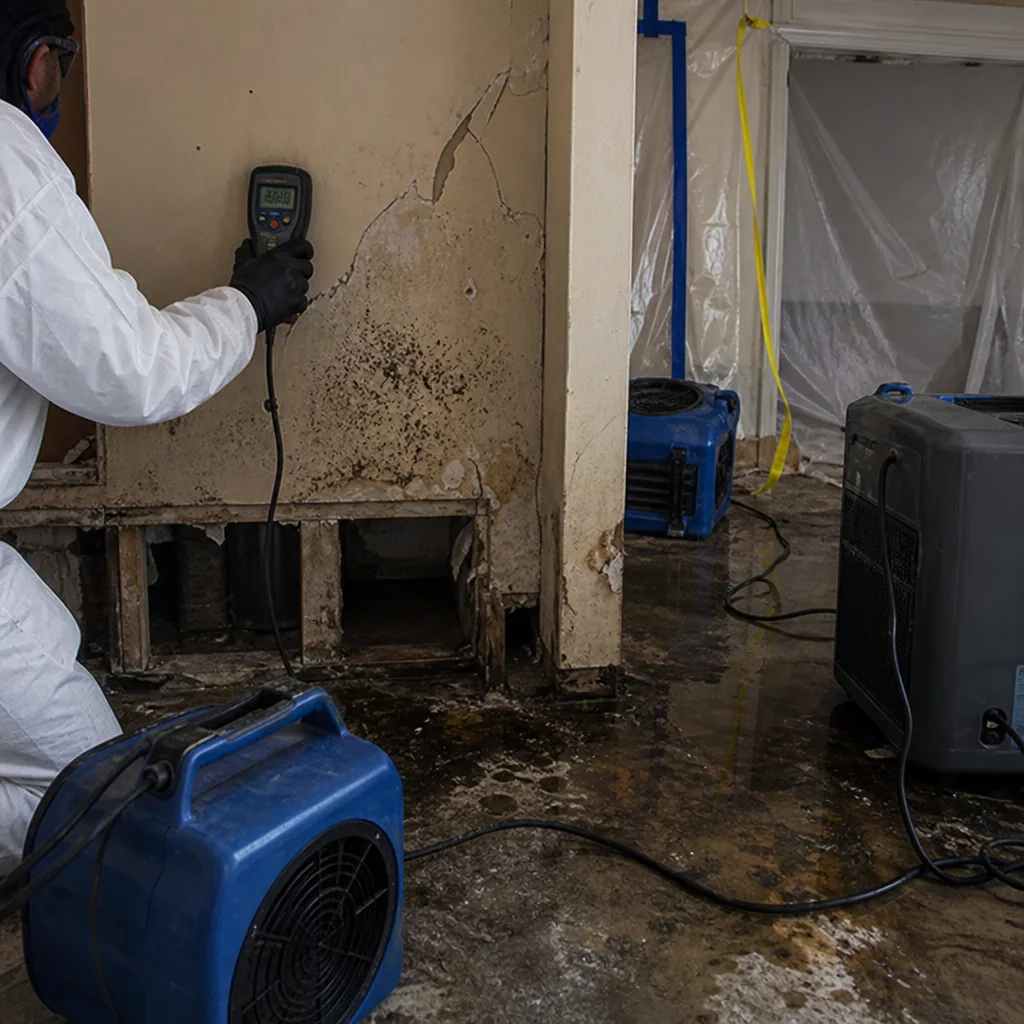 Before
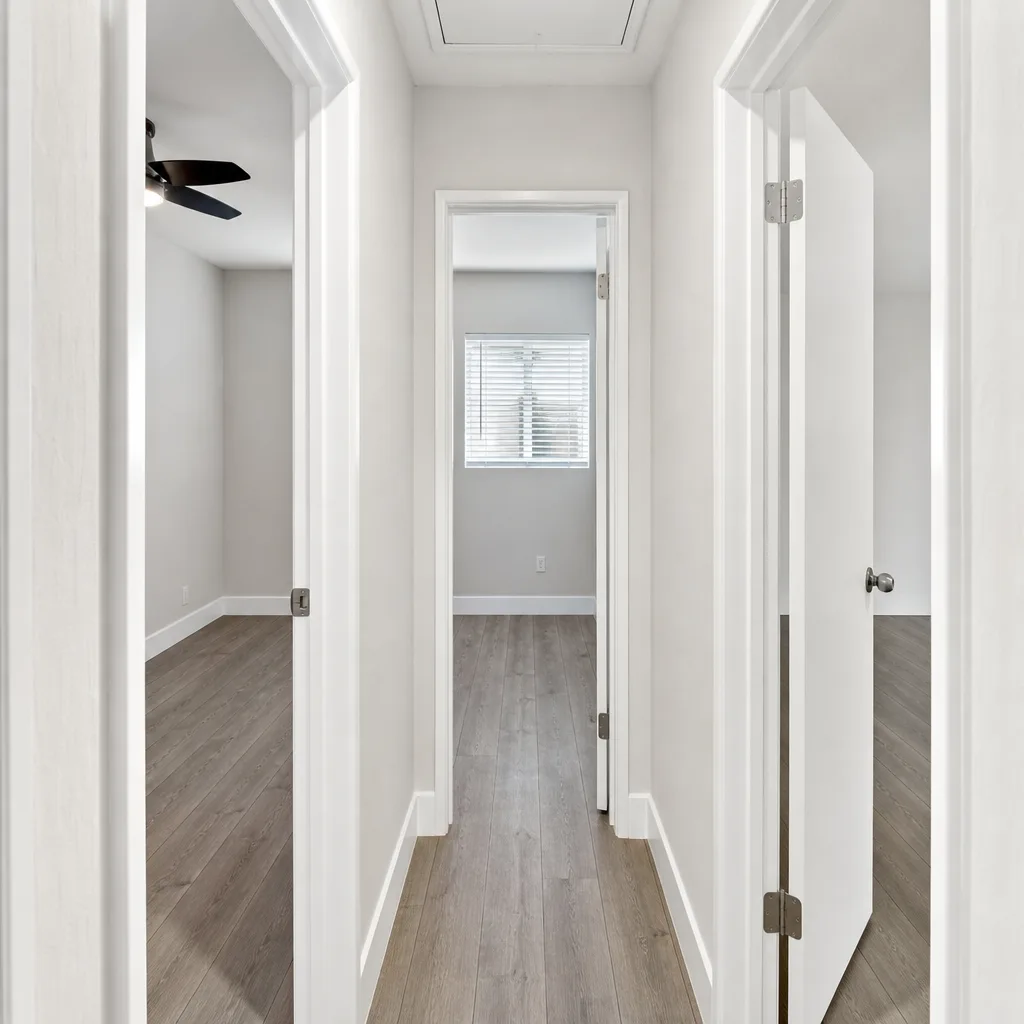 After
After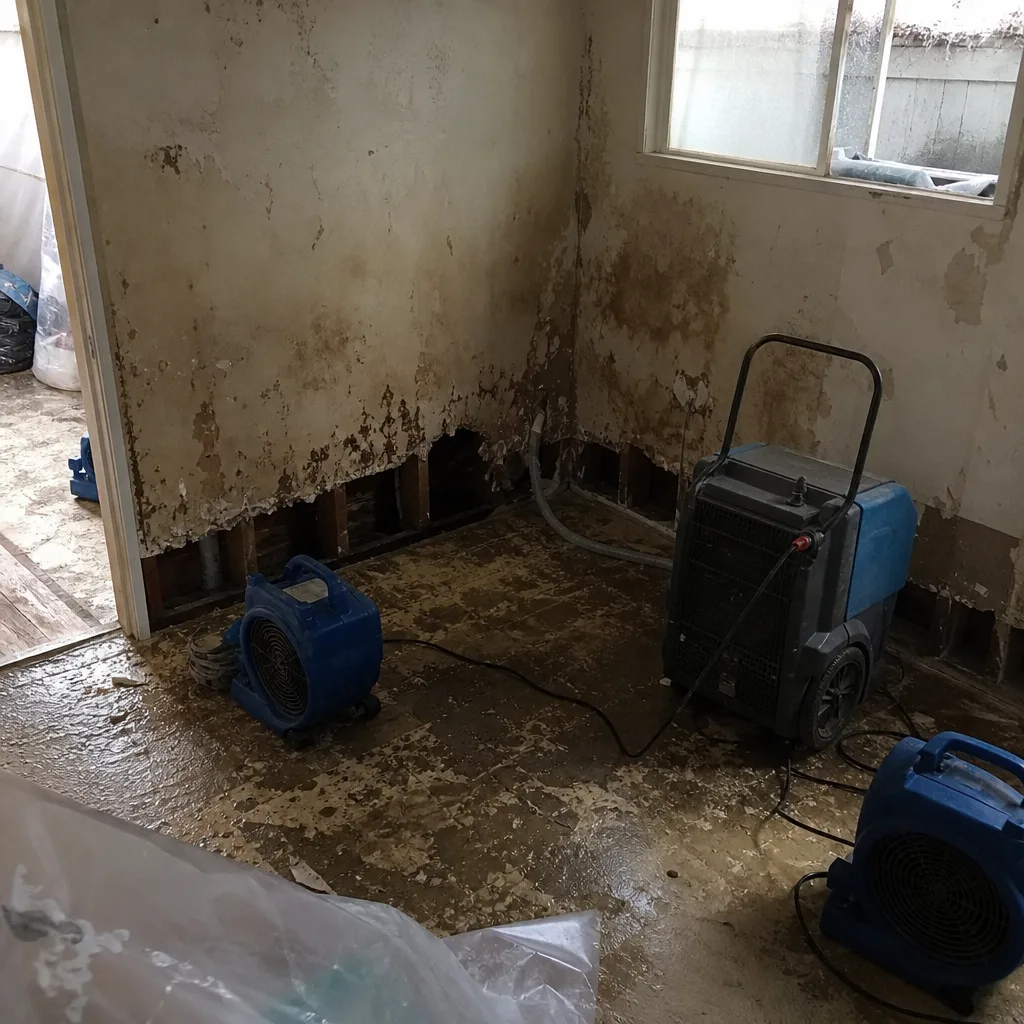 Before
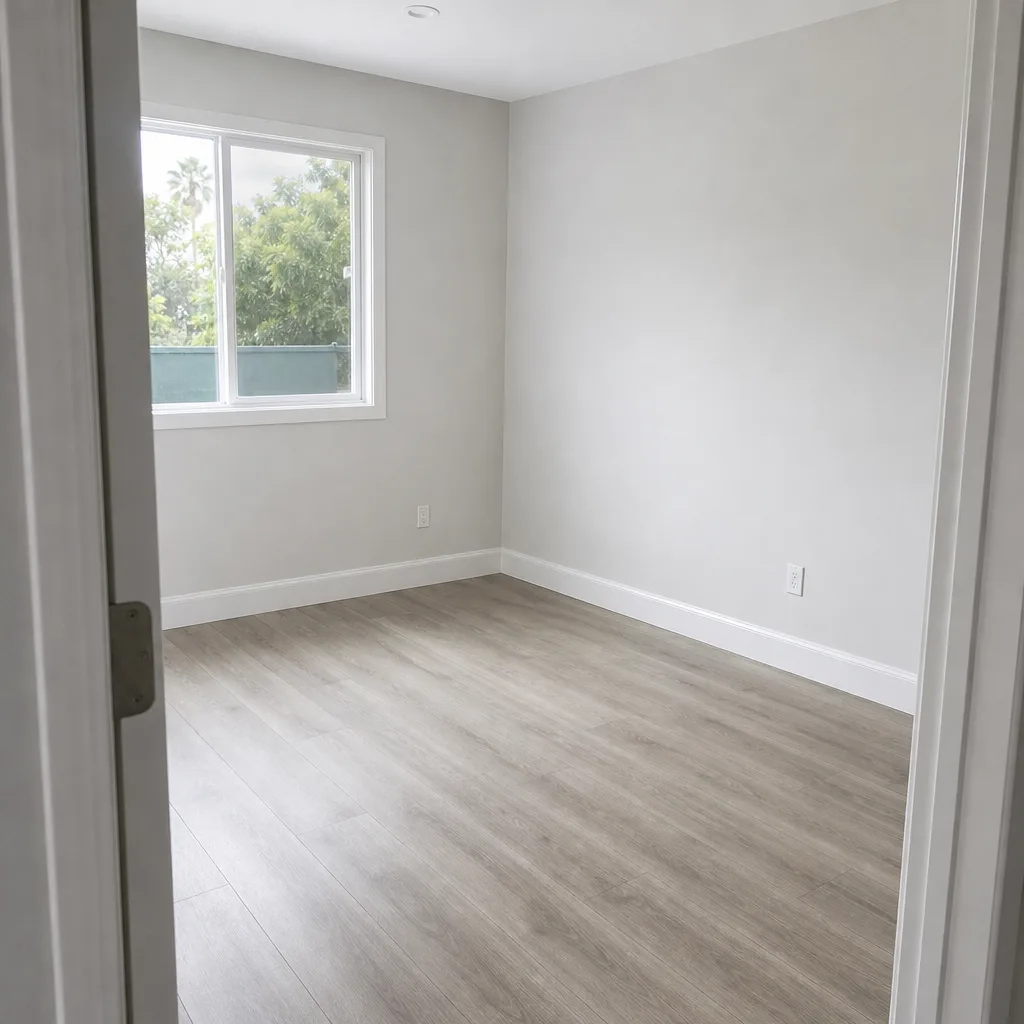 After
After