
Last updated October 16, 2026
 Water damage drying
 Fire & smoke cleanup
 Mold remediation
 Storm response
 Sewage cleanup
 Reconstruction
Free visual inspection and a written scope of work before any mitigation begins - photos, moisture readings, and drying logs go in your claim file
The scope we write is the scope we bill. Anything new gets shown to you, in writing, before we touch it.
Get your free estimateDamage Restoration Warning Signs: A Long Beach Homeowner’s Reference Guide
The musty smell Long Beach homeowners chalk up to “ocean air” is often the first detectable sign of active mold growth inside a wall cavity. By the time it’s strong enough to notice consciously, the colony is typically at least three weeks old, and the remediation cost has already tripled. Coastal humidity doesn’t just hide these odors; it normalizes them. This guide teaches you to read the specific signals your Long Beach home gives off, long before the ceiling buckles or the baseboard peels away from the wall.
Quick Answer
Water damage in Long Beach homes announces itself through five reliable channels: persistent musty odors that don’t clear with ventilation, staining or discoloration on ceilings and walls, warped or swelling baseboards and door frames, unexplained spikes in your water bill, and a sudden appearance of allergy symptoms that improve when you leave the house. Any two of these appearing together means active moisture is present, and a professional assessment is warranted within days, not weeks. Our team at Water Damage Restoration in Long Beach responds to these calls daily.
Restoration work we handle
Table of Contents
- The Sensory Checklist: What to Look For, Smell For, and Feel For in Every Room
- Efflorescence vs. Active Water Intrusion: Reading the White Powder on Your Concrete
- The Five Structural Warning Signs That Mean Professional Assessment, Not Monitoring
- What a Moisture Reading Above 16% Actually Means Inside Your Wall
- Warning Signs by Housing Era: Pre-1960 Bungalows, 1980s Post-Tension Slabs, and 1990s EIFS
- Common Mistakes to Avoid
- When to Call a Professional
- Frequently Asked Questions
The Sensory Checklist: What to Look For, Smell For, and Feel For in Every Room
Most homeowners wait for visible evidence. That’s the mistake. Active water damage is detectable through three senses long before a stain appears, but only if you know what you’re sensing, as covered in our DIY vs Professional Damage Restoration: The Long Beach Homeowner’s Decision Guide. Here’s the room-by-room breakdown, calibrated specifically for Long Beach’s stucco-over-frame construction and concrete slab foundations, which behave differently than the wood-framed interiors common in drier inland cities.
What to Look For
- Ceilings: A subtle shadow or faint yellow-brown tint that shifts with the light. On textured or “popcorn” ceilings, watch for a section that suddenly looks smoother or flatter than surrounding areas. That’s moisture weighing down the texture before discoloration becomes obvious.
- Walls: Paint that begins to bubble or lift in small, localized patches, especially near the floor line. On stucco exteriors, watch for hairline cracks that widen after rain, and for sections of stucco that stay darker than the surrounding wall for several days after a storm.
- Baseboards: A gap that opens between the baseboard and the wall or floor, or caulk that has cracked and separated. In slab-on-grade Long Beach homes, baseboard separation near exterior walls often indicates moisture wicking up through the slab itself.
- Windows: Condensation between double-pane glass that doesn’t clear by mid-morning. That’s a failed seal, and the moisture trapped inside is slowly migrating into the surrounding frame.
- Floors: Tile grout that darkens in patches and stays dark, or hardwood that develops a slight crown or cup along the edges of individual boards.
What to Smell For
The ocean air excuse is the most dangerous phrase in Long Beach homeownership. True ocean air smells briny and dissipates when windows close. Moisture damage smells earthy, musty, or like damp cardboard, and it intensifies in enclosed spaces. Closets along exterior walls are the best detection points. If a closet smells different from the rest of the house, even slightly, the wall behind it is holding water.
What to Feel For
Walk your home barefoot once a month. Carpet that feels cool or slightly damp in one spot, particularly near exterior walls or interior plumbing walls, is a signal. Press your palm flat against walls in bathrooms, kitchens, and any wall that backs up to a shower or tub. A wall that feels cool to the touch in one isolated area while the rest of the wall is room temperature is holding moisture. On concrete slab floors, a section that feels noticeably colder than the surrounding slab often means the slab is saturated below the surface.
One more sensory signal: the sound of running water when nothing is on. Stand still in a quiet house, especially at night. A faint hiss or drip inside a wall is not your imagination. It’s a pinhole leak that will announce itself eventually. Better to find it now.
Efflorescence vs. Active Water Intrusion: Reading the White Powder on Your Concrete
Every Long Beach homeowner has seen it: the white, chalky residue that appears on concrete driveways, garage floors, foundation walls, and sometimes on exterior stucco. This is efflorescence, and in a coastal climate, it’s often completely harmless. But not always. Knowing the difference is one of the most practical skills we can teach you.
Efflorescence is a mineral deposit left behind when water moves through concrete and evaporates on the surface. The water dissolves naturally occurring salts in the concrete, carries them to the surface, and leaves them behind as a white film when it evaporates. In Long Beach, with our marine air and occasional heavy rain, a certain amount of superficial efflorescence is normal, especially on older foundations and along the bottom edges of stucco where soil moisture wicks upward.
The distinction that matters is whether the efflorescence reappears, thickens, or is accompanied by any of the following:
- Crumbling or flaking concrete: If the white powder is mixed with loose concrete sand or small chips, water is not just passing through; it’s actively degrading the surface through a process called spalling.
- Efflorescence inside the home: White powder on interior concrete, on interior stucco walls, or on tile grout is never normal. Interior efflorescence means water is moving through the structure from the inside out, not the outside in.
- Recurring efflorescence after cleaning: Normal efflorescence clears up and stays gone. If you scrub it off and it returns within weeks, water is actively moving through that concrete on a regular cycle.
- Dark staining alongside the white powder: Where there is mineral deposit, there is often organic growth nearby. Dark gray or greenish staining adjacent to efflorescence usually indicates mold or mildew is also present.
When we assess efflorescence in Long Beach homes, we use moisture meters to check the concrete itself, not just the surface. Surface powder alone tells us little. A meter reading 17% or higher moisture content in a concrete slab tells us the slab is actively wicking water, and that’s a different conversation entirely. We use Dri-Eaz and Phoenix tools for exactly this kind of diagnostic work because they read at depth, not just on the surface.
The Five Structural Warning Signs That Mean Professional Assessment, Not Monitoring
There is a line between “keep an eye on it” and “have this looked at this week.” Five signals, in our experience, sit firmly on the professional side of that line. If you notice any one of these in your Long Beach home, it’s time to call a pro-our How to Hire a Damage Restoration Contractor in Long Beach: A Step-by-Step Guide can help. If you notice two or more, the water has been present for weeks, not days, and the damage is compounding daily.
- Interior doors that stick or no longer latch. In Long Beach’s climate, some seasonal swelling of wood doors is normal, especially during humid summers. The warning sign is a door that changes behavior rapidly, or a door that sticks at the top or bottom only. That’s not general humidity; that’s a localized moisture source, usually a leak in the ceiling above or in the wall framing around the door.
- Baseboard separation with a pattern. Baseboards that pull away from the wall uniformly around an entire room can be seasonal. Baseboards that separate in one specific section, particularly along an exterior wall or a wall shared with plumbing, are tracking water. Look for a gap that’s widest at one point and tapers off, like a smile or a frown. That taper points toward the moisture source.
- Tile grout that darkens and stays dark. Grout is porous. When water is present behind tile, the grout absorbs it and darkens, sometimes for days or weeks. If a section of grout in a bathroom, kitchen, or laundry room is noticeably darker than the rest and doesn’t dry back to its original color within 48 hours, water is trapped behind the tile, and it will slowly rot the substrate behind it.
- Ceiling texture shifts. In addition to the smoothing effect mentioned above, watch for small, pucker-like wrinkles in ceiling texture, or a faint ring or halo shape that appears where the ceiling meets an exterior wall. Rings often indicate a slow, steady drip that has been saturating the ceiling cavity for weeks. On flat ceilings, watch for a subtle sag that you can only see when the light from a window rakes across the surface at a low angle.
- Cabinet floor softness under the sink. Reach under your kitchen and bathroom sinks and press firmly on the cabinet floor with your fingers, especially around the plumbing penetrations and the back corners. Softness, swelling, or a spongy feel means the particleboard or plywood has been absorbing water, often for months. Most cabinet floors made of particleboard disintegrate long before the homeowner notices; what you’re feeling is the rot that already exists.
In our experience, these signs tend to cluster. A sticking door near a bathroom often accompanies baseboard separation on the same wall. A darkened grout patch near a shower often goes hand in hand with a soft cabinet floor in the adjacent vanity. When you find one, look hard for the others. The water has been there longer than the visible symptom suggests.
What a Moisture Reading Above 16% Actually Means Inside Your Wall
When a restoration technician presses a moisture meter against your wall and reads a number, that number is not an abstraction. Here is what it means in practical terms.
Wood framing in a dry, healthy Long Beach home typically reads between 8% and 12% moisture content, depending on the season and proximity to the coast. Concrete slab readings in a dry home fall between 4% and 7%. Here is what happens as those numbers climb:
- 13% to 15%: The wood is elevated. Something is feeding moisture into the wall cavity. No active mold growth yet in most cases, but the environment is primed. This is the ideal moment for intervention, because drying can usually be completed quickly and inexpensively.
- 16% to 20%: This is the danger zone. At 16% moisture content, wood is holding enough water to support mold colonization. Under Long Beach’s temperate conditions, mold spores that land on a 16%-plus wood surface can begin germinating within 24 to 48 hours. This is where the remediation window starts closing. If the moisture source is corrected now and the wall is properly dried using commercial equipment, drywall replacement is often avoidable.
- 21% to 25%: At this level, mold is not just possible; it’s probable. The wood is saturated. Drywall will not survive. Insulation inside the wall cavity is compressing and losing its R-value. The paper backing on drywall is beginning to delaminate. The remediation path almost always includes opening the wall, cutting out affected drywall, drying the framing, and rebuilding.
- Above 25%: This is near fiber saturation. The wood has absorbed essentially all the water it can hold. Water is now pooling in the wall cavity. Structural degradation of the framing has begun. Mold colonies are established and spreading. The cost of remediation at this stage is routinely three to five times what it would have been at the 13% to 15% stage.
- Floor areas that are persistently cold: A saturated slab conducts heat away from your feet faster than a dry slab. A cold spot on the floor, especially in the center of a room with no obvious explanation, often means water is saturating the concrete below.
- Unexplained water bill increases: A slab leak can lose a surprising amount of water without ever surfacing. If your usage spikes and there is no visible leak, the water is going somewhere, and in post-tension slab homes, that somewhere is usually beneath the slab.
- Cracks that appear suddenly: Post-tension slabs are designed not to crack, which is the point of the tensioning. A structural crack in a post-tension slab is a significant event. However, hairline cracks that appear near plumbing fixtures or along the path where pipes enter the slab can indicate a slab leak that is eroding the concrete from below.
- Air freshening a musty room instead of investigating it. Long Beach’s humid climate means the musty smell can take weeks to become strong enough to consciously notice. By the time you’re buying plug-ins, the mold colony behind the wall is established. Eliminate the source, not the symptom.
- Painting over water stains. This is the single most common mistake we see. A stain on the ceiling is a record of a leak. If the leak has been repaired and the ceiling is dry, a stain-blocking primer will work. If the leak is active, paint will peel, bubble, or just cover the evidence until the damage is worse. Test the stain first: press it with a dry finger. If it feels cool, damp, or soft, the leak is still active.
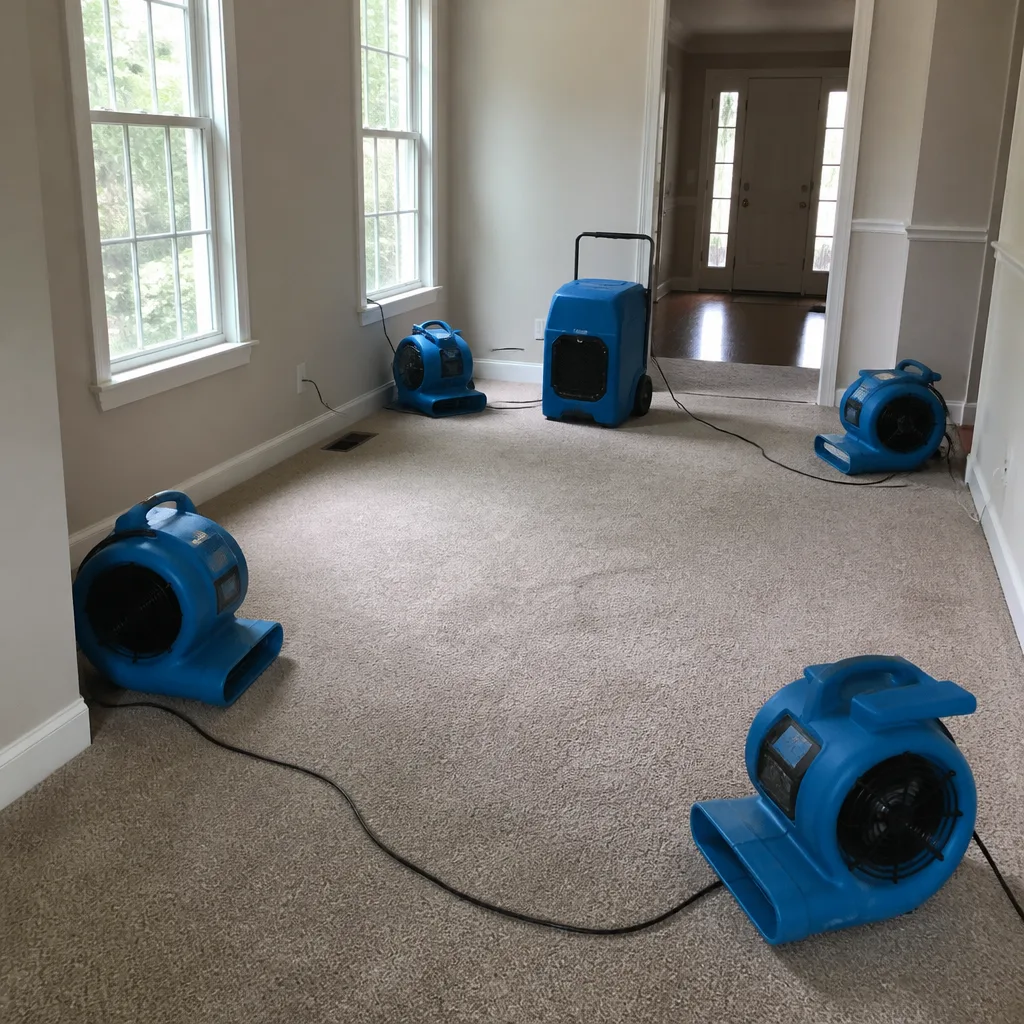
- Running a box fan on wet drywall and calling it dry. A box fan moves air, but it does not remove the water bound inside the drywall or the framing behind it. Surface drying creates a false sense of resolution. That’s how homes end up with hidden mold behind walls that look perfectly dry from the outside.
- Ignoring a small stain because “it hasn’t grown.” Some leaks are slow and steady. A stain that stays the same size for a month can still be actively saturating the wall cavity, especially in Long Beach homes where the ambient humidity slows the visible drying process but not the internal rot.
- Assuming slab leaks will surface on their own. In post-tension slab homes, water can travel for months beneath the slab before penetrating the surface. By the time it surfaces, the concrete erosion and the mold growth below the flooring are advanced. A slab leak detection is far cheaper than a slab repair.
- Opening walls to “let them dry” before calling a professional. Cutting into a wet wall without knowing where the water is coming from can spread contamination, sever hidden wires, or release mold spores into the living space. The right sequence is: stop the source, remove the standing water, then dry properly with controlled equipment. Our water damage restoration approach in Long Beach follows that order on every job.
- Treating all white powder on concrete as benign. As covered earlier, interior efflorescence is never normal. On exterior surfaces, recurring efflorescence after cleaning signals active water movement. The cost to investigate is minimal compared to the cost of ignoring it.
We take psychrometric readings (measuring the moisture in the air) throughout every drying job because the air inside a wall cavity is as important as the water in the wood. A wall can read 14% on the surface and 22% two inches deeper. That’s why our technicians use penetrating meters that read at depth through the surface, not just contact meters that only tell you about the outside face of the drywall.
If you don’t have a moisture meter, use the touch test as a rough guide. An interior wall that feels cool in a localized spot while the rest of the wall is room temperature is often in the 16% to 20% range. A wall that feels damp to the touch is almost certainly above 20%. Your hand can’t tell you the number, but it can tell you it’s time to call.
Warning Signs by Housing Era: Pre-1960 Bungalows, 1980s Post-Tension Slabs, and 1990s EIFS
Long Beach is a city of distinct housing generations, and each era brings its own specific water damage profile. Knowing what your home’s construction era is prone to gives you a head start on detection, as detailed in our Seasonal Damage Restoration Care for Long Beach: Year-Round Homeowner’s Guide.
Pre-1960 Bungalows: Original Hardwood Subfloors
Long Beach’s older neighborhoods, from Belmont Heights to Rose Park to California Heights, feature homes built when hardwood subfloors were standard. These pre-1960 bungalows have a specific vulnerability: the original hardwood sits directly over floor joists with a crawl space below. In Long Beach, those crawl spaces are often damp, especially in homes within a mile of the coast, where the water table is high and marine air infiltrates the crawl space year-round.
The warning sign specific to these homes is cupping and crowning of the finish floor. Cupping means the edges of each floorboard rise higher than the center, like a shallow U shape. That’s moisture from below. Crowning means the center rises higher than the edges, an inverted U. That’s moisture from above. In pre-1960 Long Beach homes, cupping almost always points to crawl space moisture, a leak in the plumbing below the floor, or a failed water heater in the basement or crawl space. By the time cupping is visible, the subfloor has been absorbing water for weeks, and the finish floor may or may not be salvageable.
Another bungalow-specific signal: crawl space smells. On warm afternoons, when the house heats up, air from the crawl space rises through the floor and into the living space. If you notice a musty, earthy smell that peaks in the late afternoon on warm days, the crawl space is the source, and the moisture problem is below you, not in the walls.
1980s Construction: Post-Tension Slab Behavior
Long Beach went through a significant building boom in the 1980s, and many of those homes sit on post-tension concrete slabs. Post-tension slabs contain steel cables inside the concrete that are tensioned after the slab cures, which makes them stronger and less prone to cracking than conventional slabs. But they have a distinct failure mode: water pipes embedded in or running under the slab.
The warning signs in post-tension slab homes are subtle and often misdiagnosed. In our experience, the three most common are:
1990s to 2000s Construction: EIFS and Synthetic Stucco Moisture Trapping
Exterior Insulation and Finish Systems, or EIFS, was widely installed on Long Beach homes built or re-clad in the 1990s and early 2000s. EIFS looks like stucco but is actually a foam insulation board covered with a thin, synthetic finish coat. When installed perfectly, it works well. When installed imperfectly, or when water finds its way behind the surface through failed caulk joints or flashing, EIFS traps moisture against the framing. Unlike traditional stucco, which can dry to the outside, EIFS is vapor-impermeable. Water that gets in stays in.
The warning sign specific to EIFS homes is softness or bubbling of the synthetic finish coat when pressed with a thumb. Press on the exterior walls of your home, especially around windows, doors, and the bottom few feet of the wall. A section that flexes, feels hollow, or crunches slightly when pressed has moisture behind the EIFS. By the time the finish coat bubbles, the underlying framing has been wet for a long time, and the repair involves removing the affected EIFS, drying the framing, and replacing the system properly.
Also watch for the EIFS-specific version of efflorescence: white streaks that appear below windows or at the bottom edge of exterior walls, where water has been trapped and is slowly leaching minerals out of the finish coat. These streaks are often dismissed as hard water staining, but on EIFS homes, they almost always indicate a drainage failure behind the system.
Common Mistakes to Avoid
When to Call a Professional
Call the moment you notice any two of the five structural warning signs listed above. Call if you see a water stain that feels cool or damp to the touch. Call if the musty smell returns within days of airing out a room. Call if you find softened cabinet floors, bubbling paint, or a ceiling that sags even slightly. These are not monitoring situations; they are assessment situations. The assessment is fast and, in most cases, free. Marsh Water Damage Long Beach offers free estimates in Long Beach, and our techs arrive with the proper diagnostics: penetrating moisture meters, thermal imaging when needed, and the training to interpret what they find. Call (562) 999-7643 and a live person answers. Every time. That’s a standing rule at Marsh Water Damage Long Beach home, and it has been since 2005.
Frequently Asked Questions
The most common early warning sign is a persistent musty or earthy smell in a specific area of the home, particularly in closets along exterior walls or in rooms adjacent to bathrooms. This odor usually indicates moisture has been present for at least two to three weeks. Call (562) 999-7643 for a free assessment if the smell does not clear with ventilation.
Normal coastal humidity is diffuse; it affects the whole house equally and responds to opening windows. A hidden leak is localized; it affects one wall, one corner, one closet, or one section of floor and does not improve with ventilation. If a small area feels different from the rest of the house, that’s a leak, not the climate.
A fan will not dry the inside of a wall cavity. Professional drying requires commercial air movers and dehumidifiers, like the Dri-Eaz and Phoenix units our crews use, placed to create a specific airflow pattern that draws moisture out of the structure. Without that controlled drying, the visible surface may feel dry while the framing behind stays wet, which is exactly where hidden mold begins. Most residential water extractions in Long Beach run between $2,000 and $6,000 before drying equipment is set up.
First, shut off the water source if you can identify it. Second, move valuables out of the way. Third, place a bucket under the leak. Fourth, call a restoration company immediately. A live person answers at (562) 999-7643, day or night. Do not puncture the ceiling to “release the water.” That releases water, but it also releases the structural tension holding your ceiling in place, and it can cause a larger collapse than the leak itself would have caused.
Under Long Beach’s warm, humid conditions, mold spores that land on a damp surface can germinate within 24 to 48 hours. Visible mold colonies typically become established within 7 to 14 days if the moisture source is not corrected. That’s why the remediation window matters: address the water within the first few days, and drying is often all that’s needed. Wait two weeks, and drywall replacement becomes the likely outcome.
Bleach does not penetrate porous materials like drywall, wood, or insulation, so it kills surface mold while the colony continues to grow beneath the surface. Mold remediation requires identifying the moisture source, containing the affected area to prevent spore spread, removing contaminated materials, and drying the structure to a verified standard. Our mold remediation service in Long Beach follows that sequence on every job, and every tech who enters your home is background-checked, identity-verified, and sent to you by name and photo before the visit.
Most homeowner’s policies cover sudden and accidental water damage, such as a burst pipe or a storm-driven roof leak. They generally do not cover gradual damage from a slow leak that has been ongoing for weeks or months. The distinction often comes down to documentation. Our storm damage restoration team in Long Beach, accessible through our storm damage restoration page, provides photo documentation and direct adjuster coordination to help you build an accurate claim. Call (562) 999-7643 and we’ll walk you through what your policy likely covers before any work begins.
The Bottom Line
Long Beach homes give off warning signs long before water damage becomes catastrophic, but only if you know how to read them. The sensory signals, the structural changes, the moisture levels, and the era-specific vulnerabilities all tell a story. The most important lesson in this guide is simple: act while the issue is still in the “13% to 15% moisture” range, not the “25% and rising” range. The difference between those two numbers is measured in thousands of dollars, days of disruption, and how much of your home has to be opened up and rebuilt. If you notice any of the signals described here, call Marsh Water Damage Long Beach at (562) 999-7643. We’ll tell you what’s happening, what it will cost to fix, and exactly who will be walking through your door. No surprises, no pressure, no uncertainty.
Written by Tobias Reyner, Owner at Marsh Water Damage Long Beach, serving Long Beach since 2005. Explore more guides & resources from our team.
See the difference
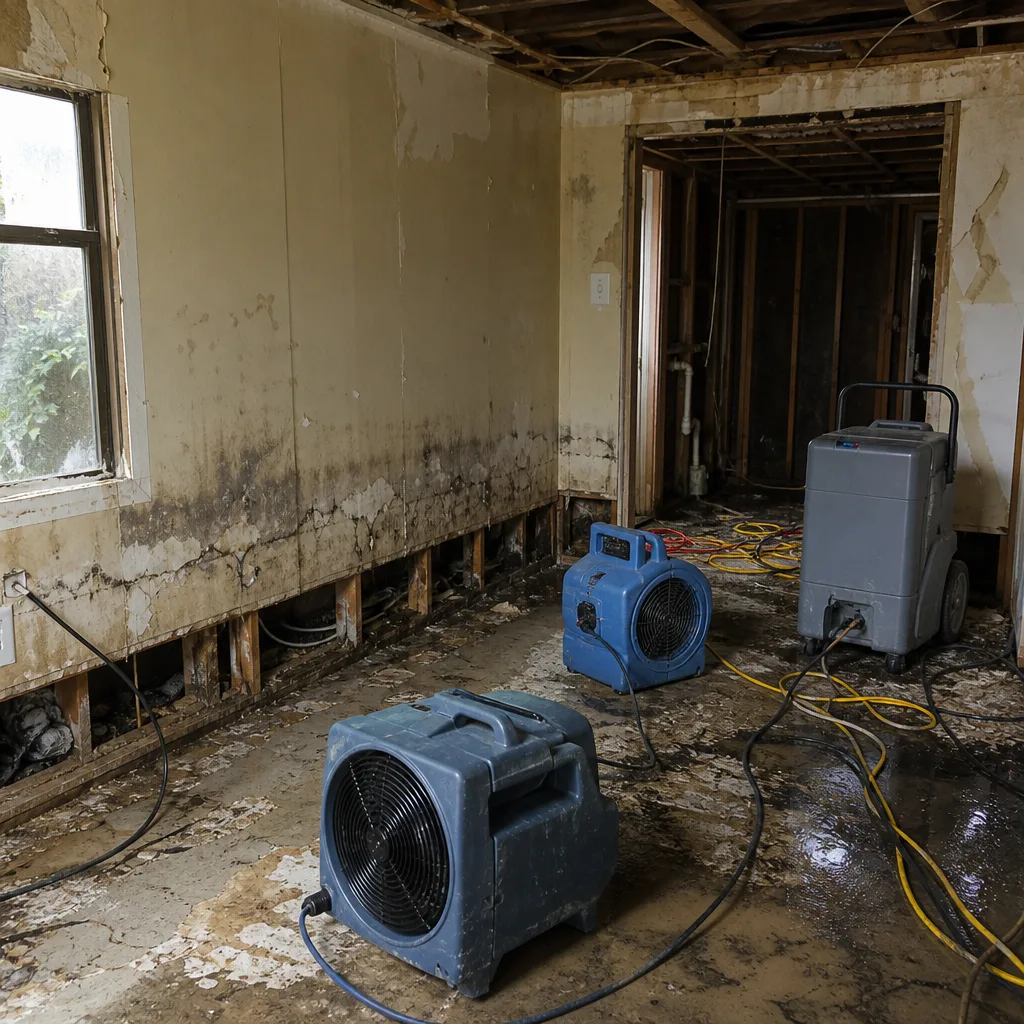 Before
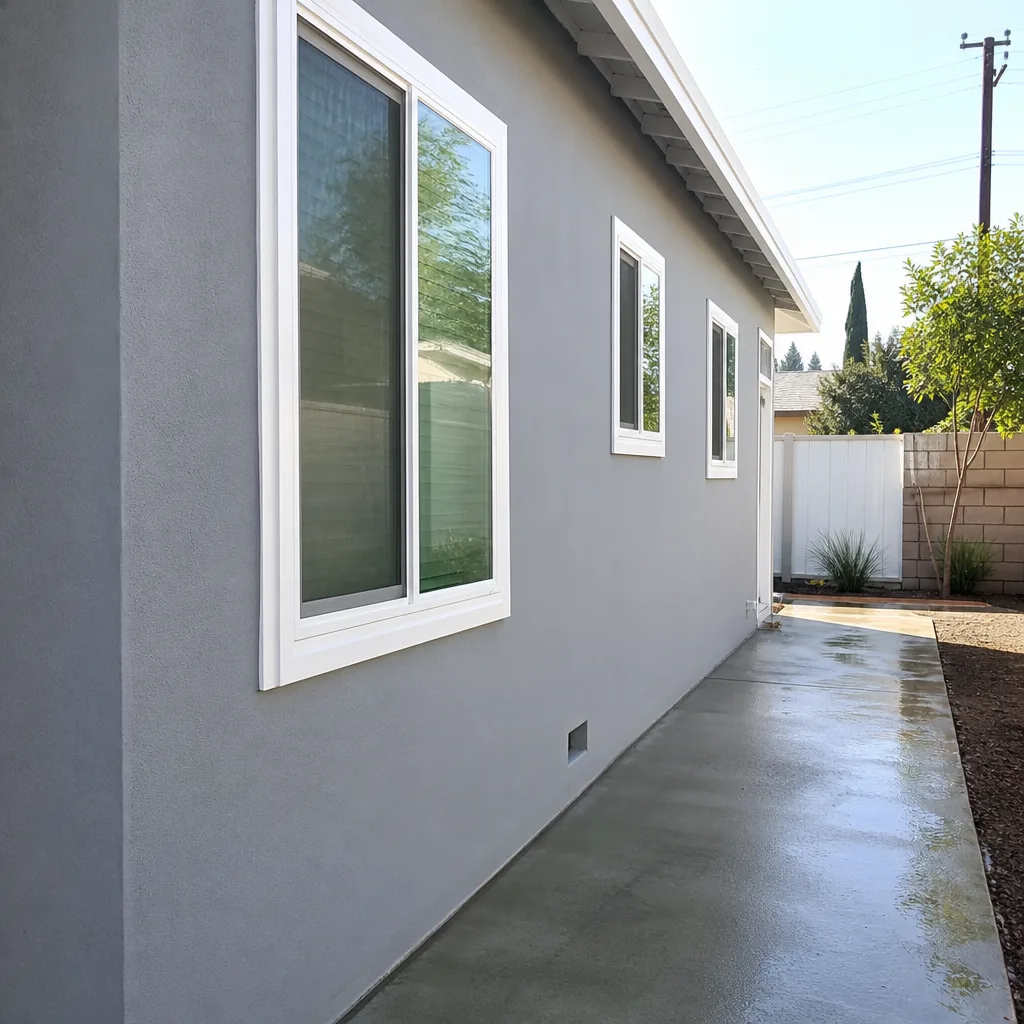 After
After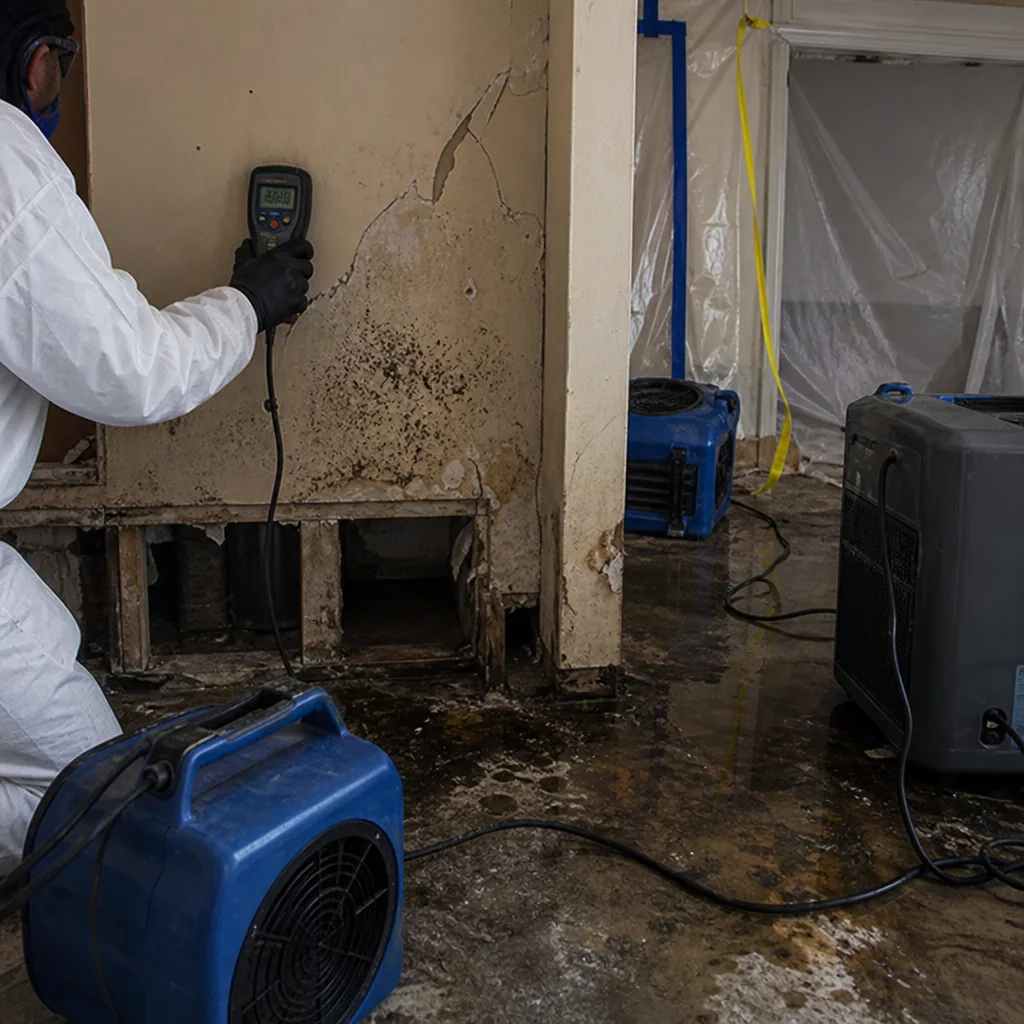 Before
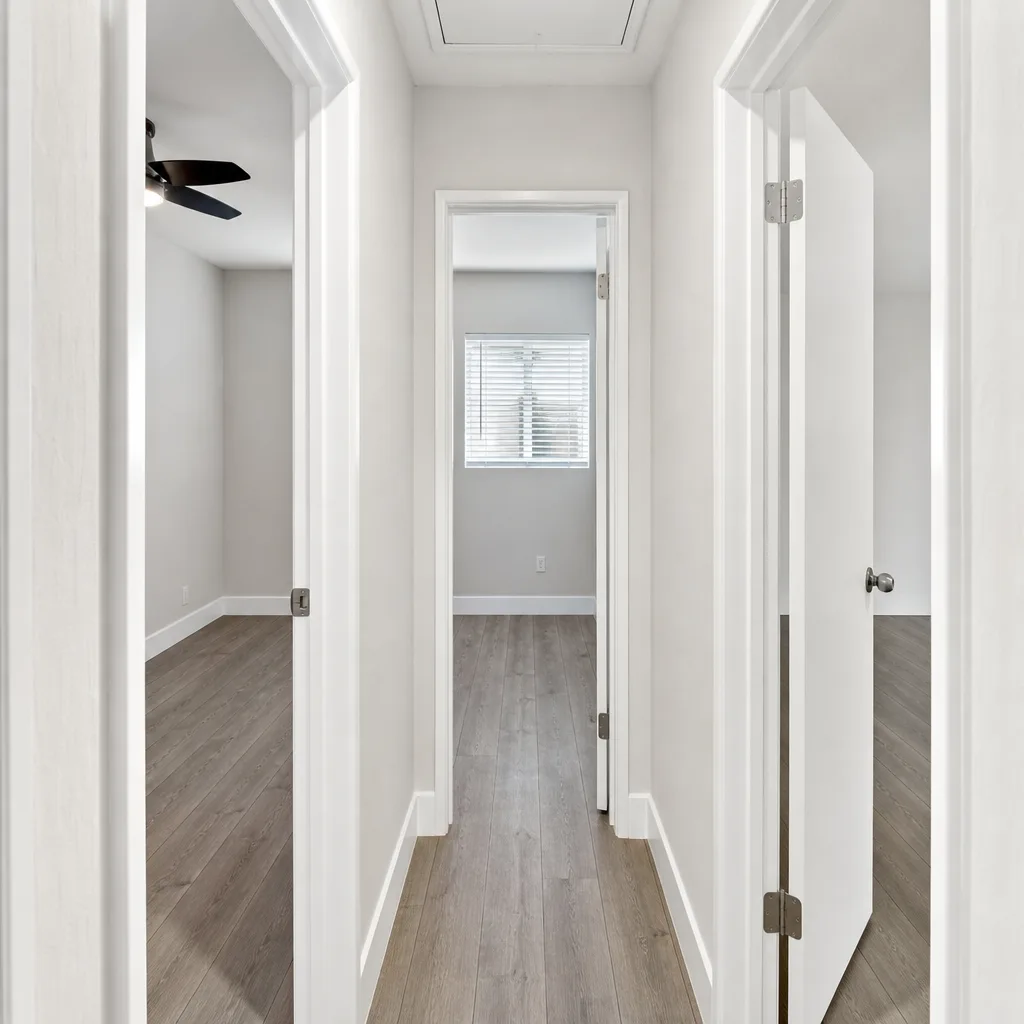 After
After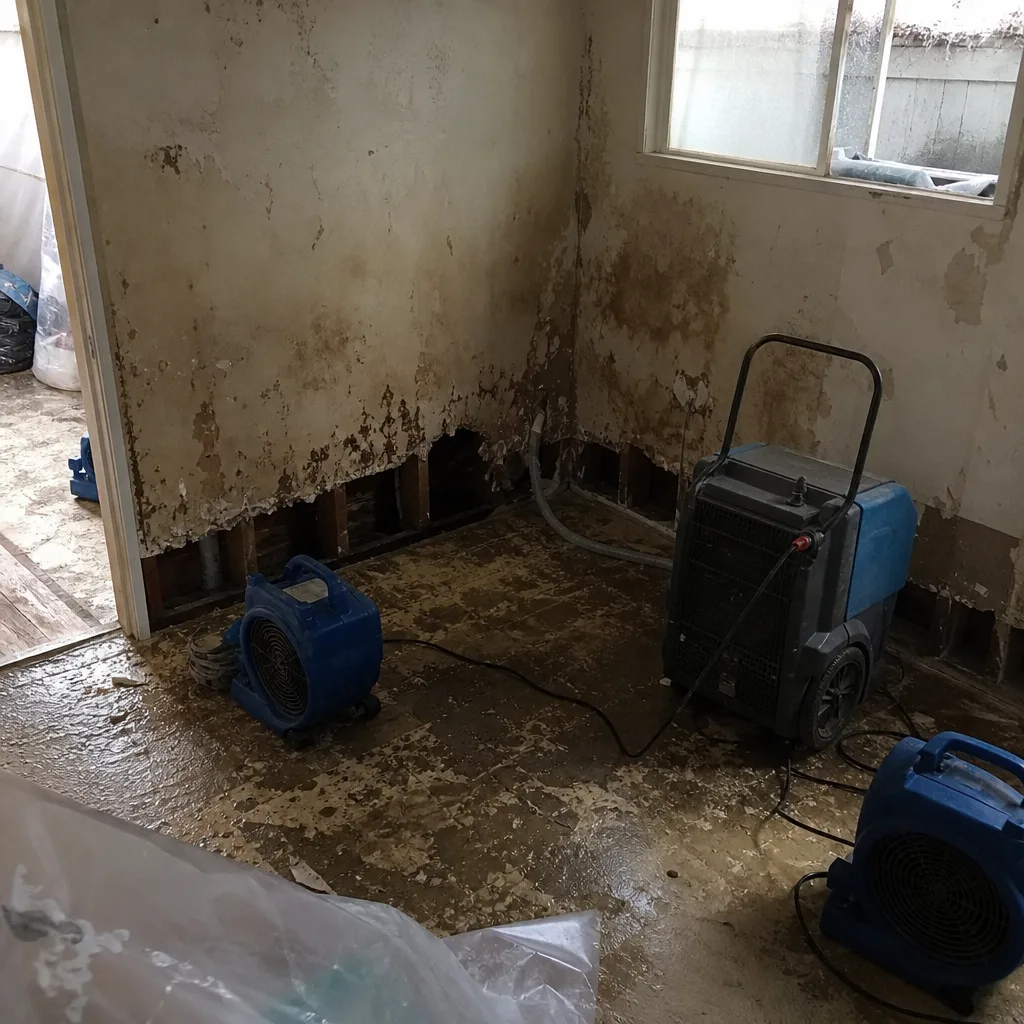 Before
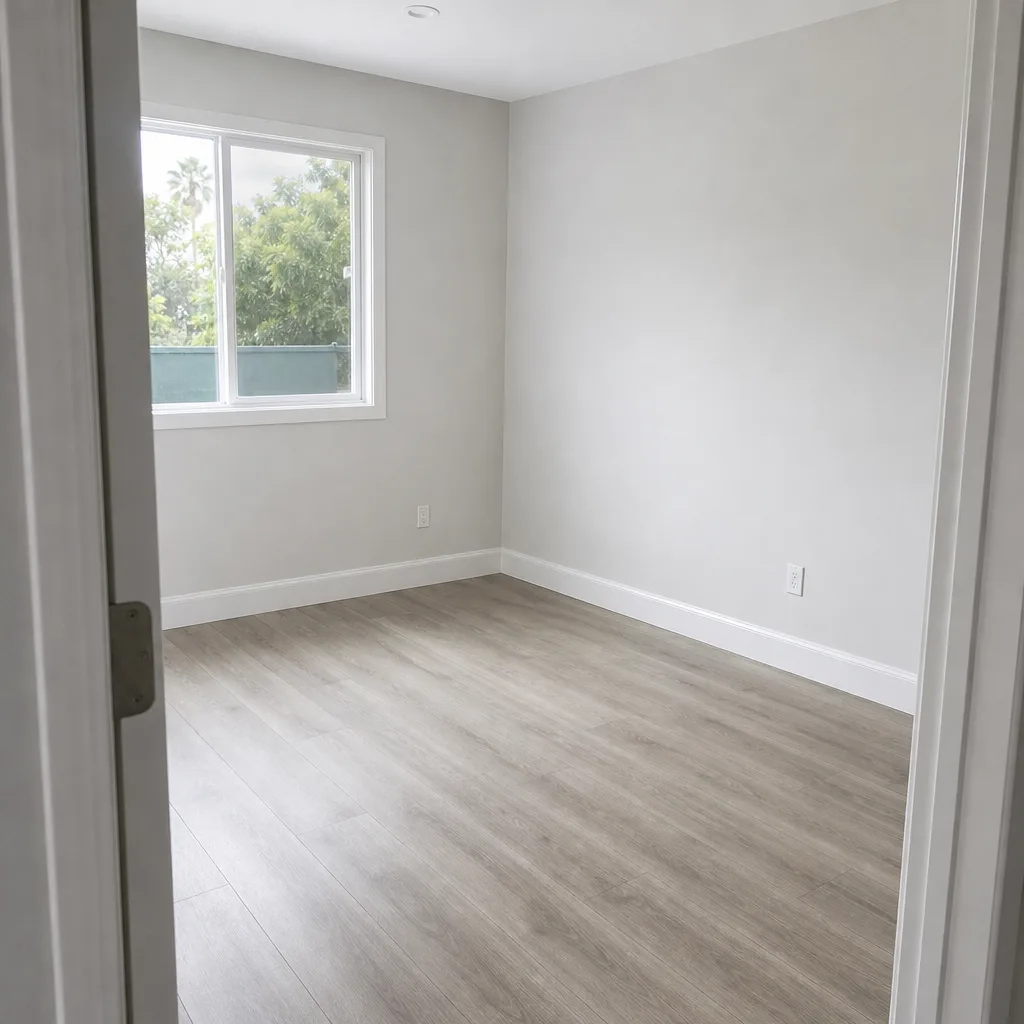 After
After