
Last updated October 16, 2026
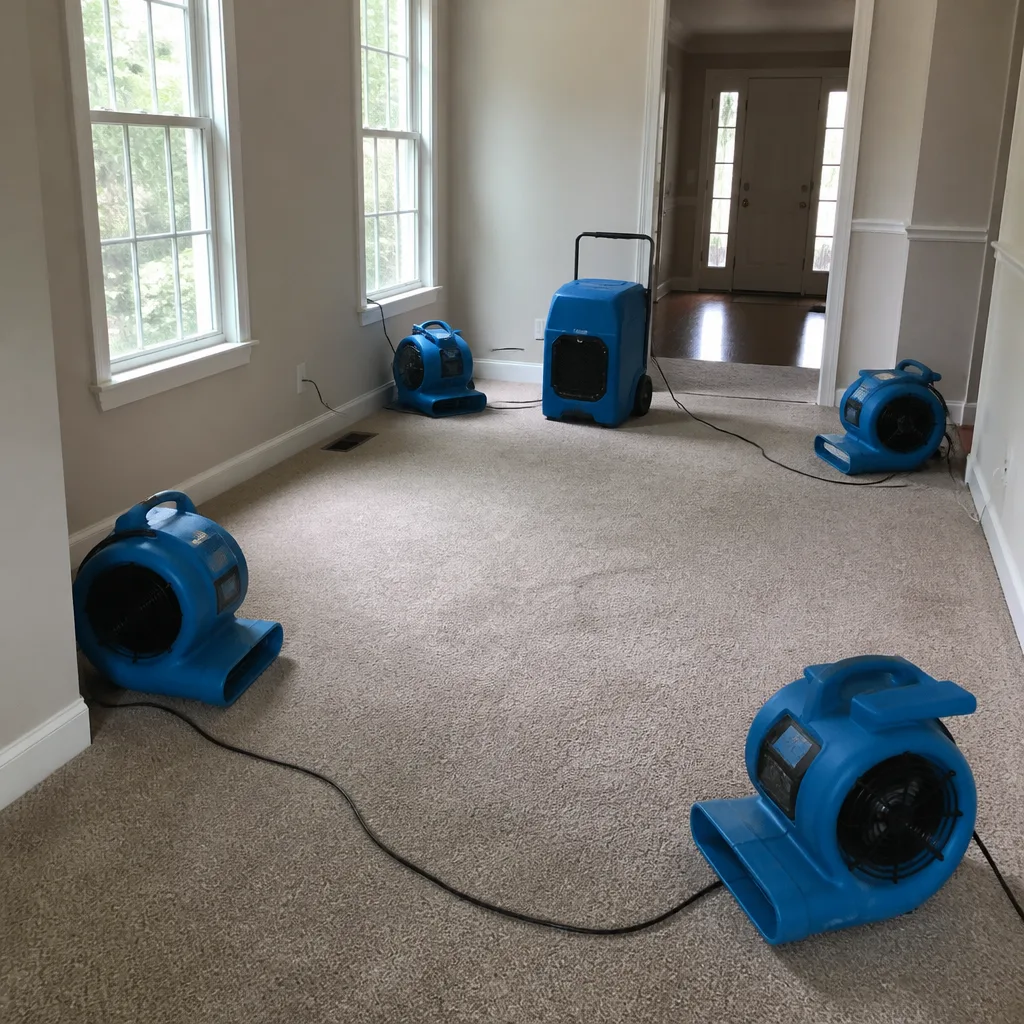 Water damage drying
 Fire & smoke cleanup
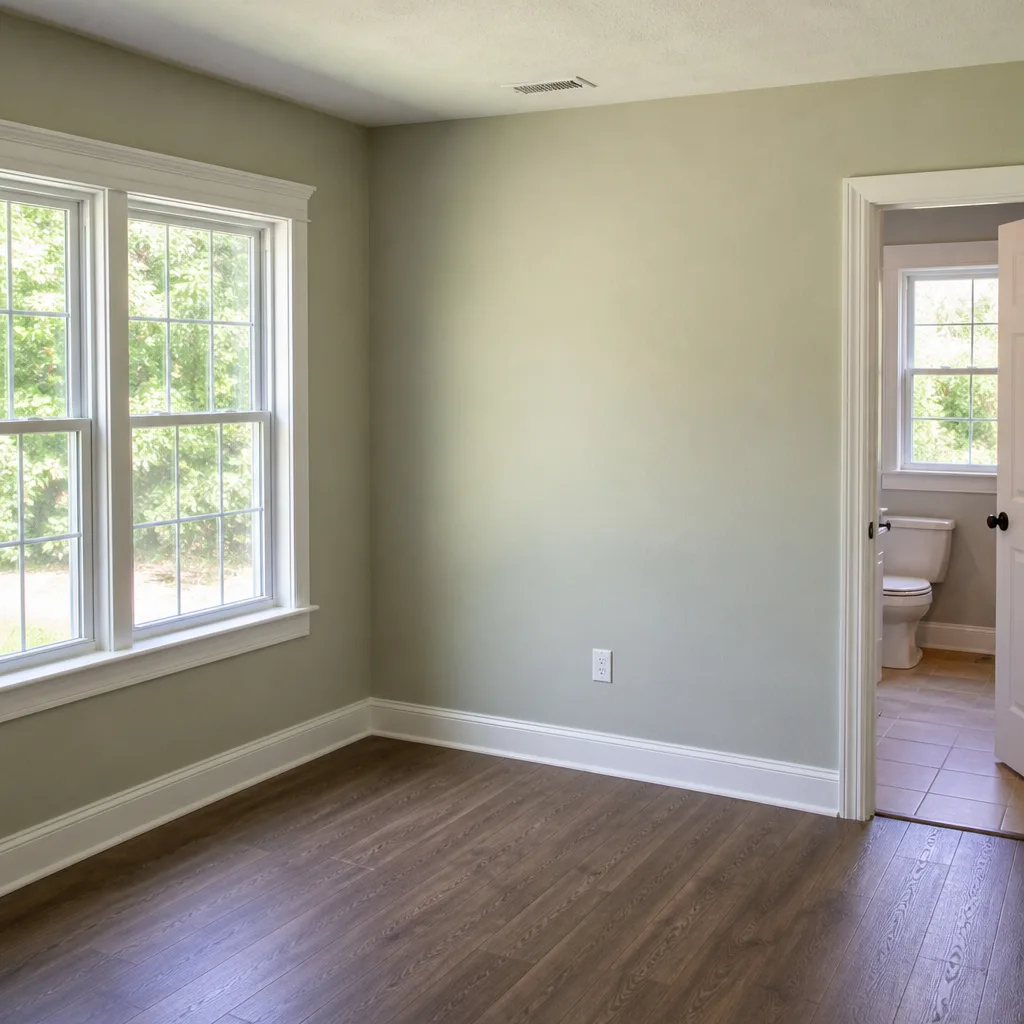 Mold remediation
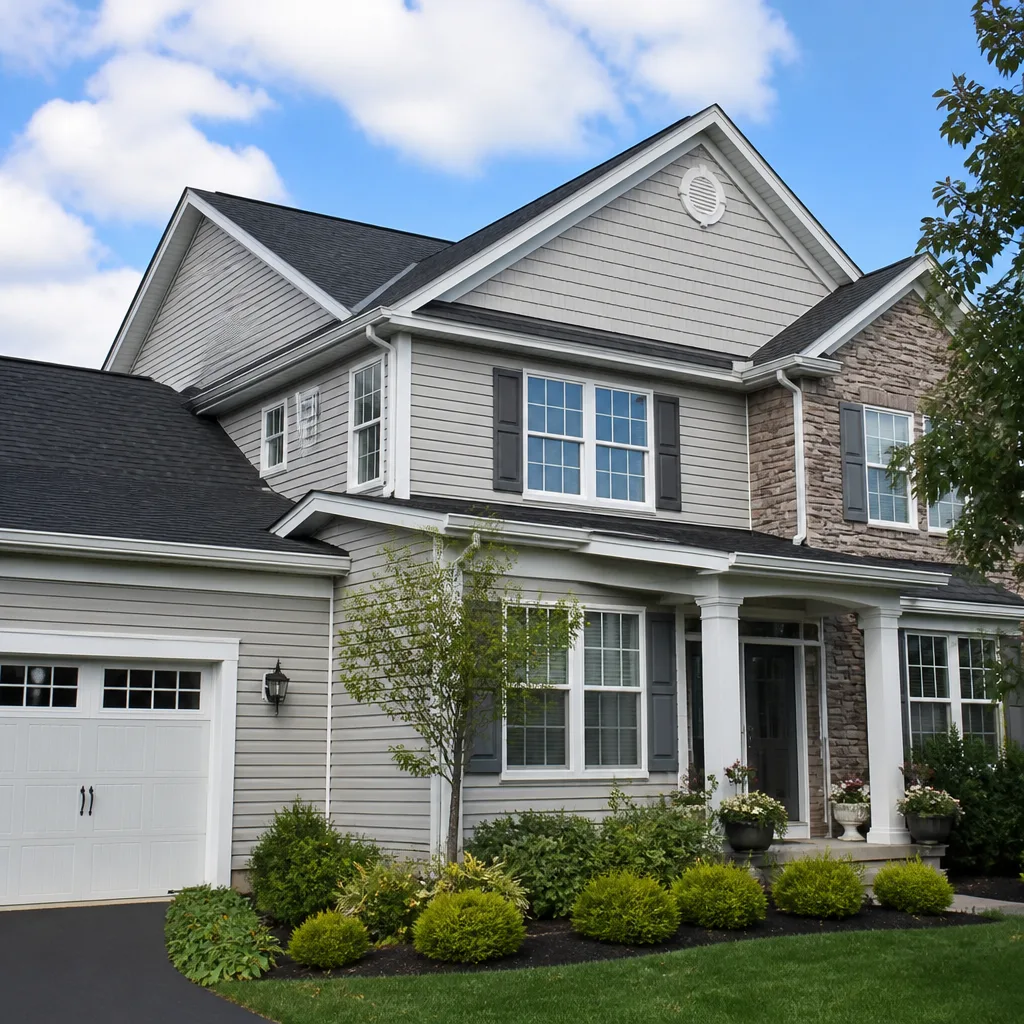 Storm response
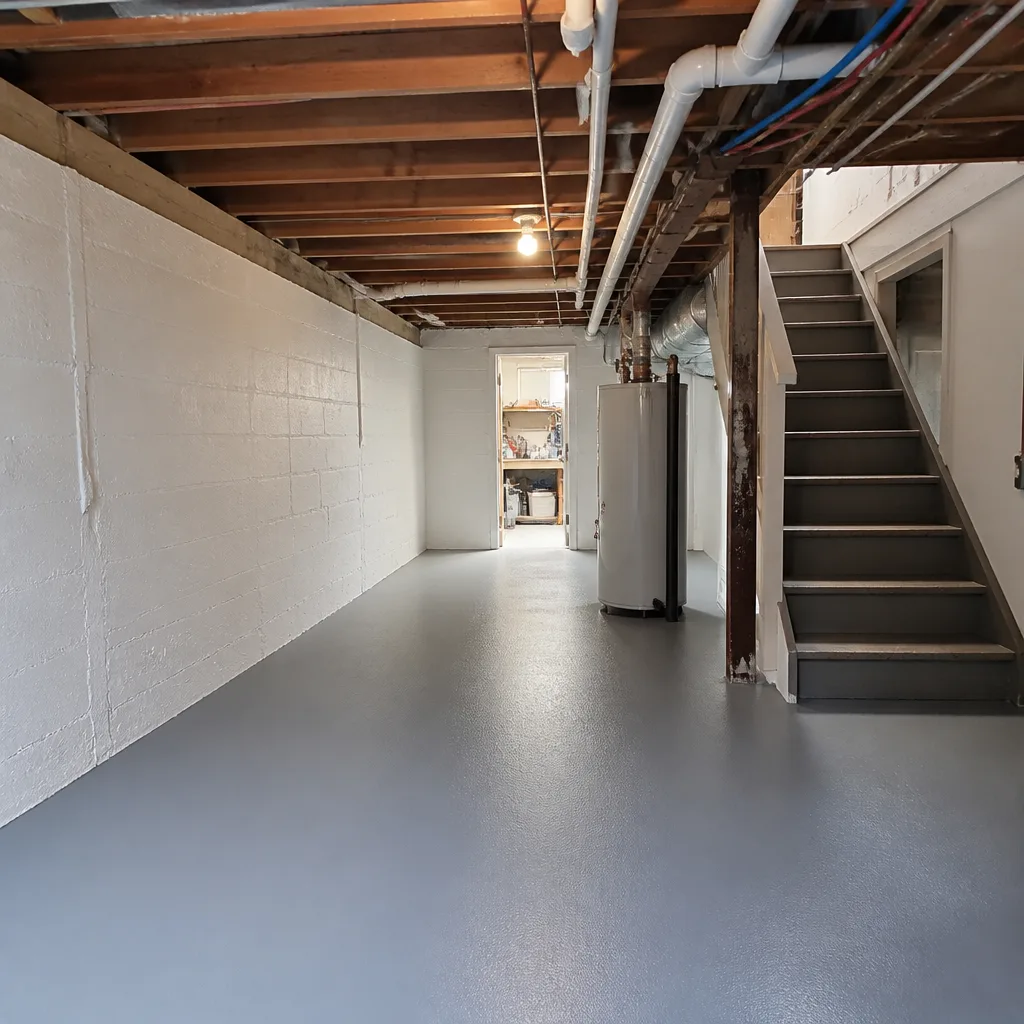 Sewage cleanup
 Reconstruction
Free visual inspection and a written scope of work before any mitigation begins - photos, moisture readings, and drying logs go in your claim file
The scope we write is the scope we bill. Anything new gets shown to you, in writing, before we touch it.
Get your free estimateDamage Restoration Permits, Codes & Inspections in CA: What You Need to Know
A Long Beach homeowner paid $34,000 for water-damage repairs after a supply line burst in a wall cavity. The contractor replaced drywall, rewired two outlets, and reconnected the HVAC. No permits were pulled. Three years later, the buyer’s inspector flagged the unpermitted electrical and drywall work during escrow. The sale collapsed. The contractor’s phone number had changed. The permits would have cost $380. This guide exists so that never happens to you. We’ll walk through exactly which restoration tasks trigger Long Beach permit requirements, which are legitimately exempt, what the inspection sequence looks like, and how to protect yourself from a contractor who tells you to skip permits. For Damage Restoration Warning Signs: A Long Beach Homeowner’s Reference Guide, see our companion post.
Restoration work we handle
Quick Answer
Most emergency water extraction, drying, and mold cleanup work does not require a permit in Long Beach. Permits are triggered when restoration crosses into reconstruction: drywall replacement above 32 square feet, any electrical work beyond like-for-like device swaps, HVAC reconnection, structural framing changes, or plumbing modifications to supply, drain, or waste lines. When permits are required, the contractor’s name on the permit determines who carries the legal liability, and unpermitted work can derail a future home sale.
Table of Contents
- Why Permits Matter More in California Than Anywhere Else
- What Requires a Permit in Long Beach: The Line-by-Line List
- What’s Legitimately Permit-Exempt: Where Contractors Get It Right
- The Inspection Sequence for Permitted Restoration Work
- Whose Name Goes on the Permit: Contractor vs. Homeowner
- Mold Remediation: Permits, Certifications, and Clearance Testing
- Substandard Conditions: What California Law Requires You to Disclose
- Common Mistakes to Avoid
- When to Call a Professional
- Frequently Asked Questions
- The Bottom Line
Why Permits Matter More in California Than Anywhere Else
California has one of the most aggressive disclosure regimes in the country for home sales. The California Civil Code requires sellers to disclose all material facts affecting the property’s value, and the Real Estate Transfer Disclosure Statement specifically asks about unpermitted work. If you answer “no” and the buyer later discovers unpermitted repairs, you’ve compounded the problem with a misrepresentation claim.
Long Beach adds its own layer. The city’s Code Enforcement Division actively tracks permit history through the building department’s database. When a property changes hands, buyers and their inspectors routinely pull that record. Work that never appeared on it becomes a negotiating weapon in escrow. We’ve watched sellers concede $10,000 to $25,000 in price reductions because they couldn’t prove electrical repairs were done to code.
There is a second reason this matters in coastal California specifically. Long Beach homes built before 1978 often contain lead paint and asbestos in textured ceilings, pipe insulation, and vinyl flooring. Restoration work that disturbs these materials triggers separate federal and state requirements: Cal/OSHA asbestos notification thresholds, lead-safe work practices under the EPA’s Renovation, Repair and Painting rule, and in some cases, a separate asbestos abatement permit from the South Coast Air Quality Management District. A contractor who skips the building permit has almost certainly skipped these too. The liability sits with the property owner, not the contractor who has moved on.
Finally, insurance. When you file a claim for water damage, your insurer expects a scope of work that matches building code. If code upgrades are required – arc fault breakers in bedrooms, hardwired smoke detectors, moisture-resistant drywall in wet areas – the permit documents those upgrades. Without permits, an insurer may dispute portions of the claim or reduce the payout on a future claim tied to the same area. The permit is your paper trail, and in a city where half the housing stock predates 1960, that trail matters.
If you’re at the beginning of this process and just need water out of the house, start with our Water Damage Restoration in Long Beach guide. The permitting conversation comes after the emergency phase, but you want a contractor who knows the line from day one.
What Requires a Permit in Long Beach: The Line-by-Line List
Long Beach operates under its own municipal code, and the relevant chapter is Title 18, “Buildings and Construction.” Long Beach has not adopted the California Residential Code wholesale; it administers its own amendments through the Development Services Department. Here is what Title 18, combined with the 2022 California Building Standards Code, requires for restoration work.
Drywall Replacement
Replacing drywall on a single wall section smaller than 32 square feet is treated as a repair and is exempt. Once the affected area crosses 32 square feet – roughly one full 4×8 sheet plus some – you need a building permit. In a water-loss scenario, this threshold is crossed quickly. A supply line failure in a ceiling that soaks a 10×12 room means replacing 120 square feet of drywall. That is a permitted job, no ambiguity.
Electrical Work
Any modification to wiring beyond swapping a like-for-like device is a permitted electrical job. Replacing a water-damaged outlet with an identical outlet: no permit. Replacing a water-damaged outlet and the damaged section of Romex feeding it: permit required. Replacing a breaker in the panel: permit required. Moving a light switch because the wall had to be rebuilt: permit required. In Long Beach, the city requires arc fault circuit interrupter protection when wiring is extended, and your restoration electrician must pull the permit through the city’s online portal, not just show up and work.
HVAC Reconnection
If water sat in a crawlspace or flooded a return air register, the HVAC system often needs cleaning, sanitizing, or duct replacement. Disconnecting and reconnecting the furnace to the electrical supply, or replacing sections of ducting, requires a mechanical permit in Long Beach. Duct replacement is the one that catches people. A restoration contractor will sometimes treat it as part of the drying scope and skip the permit. If the ducts are hard-piped metal, it’s a mechanical job with code requirements for sizing and sealing. If they’re flexible duct, the California Energy Code’s Title 24 standards apply. Either way, permit.
Plumbing Modifications
Replacing a section of copper supply line, altering a drain, or moving a water heater requires a plumbing permit. Water damage restoration often exposes corroded or failed plumbing. When the plumber cuts out the bad section and sweats in new pipe, that alteration is beyond a “repair” in the city’s eyes and needs a permit. The line in Title 18 is whether the work modifies the system or merely restores it. Modifying means permit.
Structural Work
Flood damage or prolonged leaks can rot framing members: sill plates, floor joists, wall studs, subfloor sections. Splicing a joist, replacing a sill plate, or any work that alters the structural load path requires a permit and often engineered calculations. Long Beach is in Seismic Design Category D. The city’s plan checkers look carefully at structural repairs because a compromised sill plate on a raised foundation is a seismic hazard, not just a water-damage issue.
Here’s the quick reference list:
- Permit required: drywall over 32 sq ft, any new electrical wiring, breaker replacement, HVAC reconnection, duct replacement, plumbing alterations, structural framing repairs, water heater replacement, window replacement if framing is altered
- No permit: water extraction, drying, dehumidification, drywall patches under 32 sq ft, paint, flooring replacement (unless subfloor is structural), like-for-like outlet and switch swaps
What’s Legitimately Permit-Exempt: Where Contractors Get It Right
The emergency phase of damage restoration is almost entirely permit-exempt, and that’s by design. California and Long Beach both recognize that when water is actively migrating through a house, the priority is extraction and drying. The code exemptions are meant to let restoration crews move fast.
Here is what you can do without any permit in Long Beach, and no contractor should tell you otherwise:
- Water extraction and structural drying. Running truck-mounted extractors, air movers, and dehumidifiers requires no city sign-off. This is mitigation, not construction. We run equipment from XPOWER and B-Air on drying jobs because industrial-grade air movement and low-grain refrigerant dehumidification get structures dry faster, but the city doesn’t regulate which machines you use.
- Antimicrobial application and mold fogging. Treating exposed framing with antimicrobial agents during remediation is permit-exempt. The products are EPA-registered and applied by credentialed technicians, but Long Beach doesn’t require a permit for the application itself.
- Controlled demolition for access. Cutting out wet drywall to expose a wall cavity, removing wet insulation, and pulling wet carpet are all exempt as long as the structure remains intact. The permit question arises when you start putting materials back.
- Like-for-like replacements. A flooded bathroom where you replace a vanity, a toilet, and tile flooring with equivalent materials does not need a permit, provided you don’t touch the plumbing rough-in or the subfloor.
- Paint and finish work. Priming and painting new drywall, replacing baseboards, and retexturing ceilings are all exempt.
In our work throughout Long Beach neighborhoods, from Naples to Bixby Knolls to the Wrigley area, we find that the legitimate exemptions cover roughly the first 5 to 7 days of a typical water loss. For DIY vs Professional Damage Restoration: The Long Beach Homeowner’s Decision Guide, see our analysis of when to call in experts. The trigger for permits comes when the job shifts from removing damaged material to installing new material. A contractor who understands this line is protecting you. One who ignores it is protecting only their own timeline.
The Inspection Sequence for Permitted Restoration Work
When a permit is pulled in Long Beach, the inspection sequence is predictable, and knowing it helps you plan around the drying timeline. Here’s the step-by-step, based on what we see on permitted restoration jobs in the city in 2025 and 2026.
- Permit application and plan check. The contractor files through the Development Services Department’s online portal. For water-damage repairs that don’t involve structural changes, plan check is often over-the-counter or same-week. Long Beach has moved many simple permits to electronic review, which has reduced wait times. A straightforward drywall and electrical permit typically clears within 3 to 5 business days.
- Rough inspection. After the damaged material is removed and before the new drywall goes up, the building inspector checks the framing, the electrical rough-in, and any plumbing modifications. In Long Beach, rough electrical and rough building inspections are typically combined on a single visit if requested. Wait times for a rough inspection run 24 to 48 hours in 2025-2026, depending on inspector load on the west side versus the east side.
- Insulation and drywall. Once the rough passes, insulation goes in and drywall goes up. No inspection needed between these two steps for standard water-damage repairs.
- Final inspection. After the patch is finished, textured, and primed, the inspector returns for the final. For a water-damage repair, this is usually a single visit covering building, electrical, and mechanical if all three were on the permit. Final inspection wait times in Long Beach run 48 to 72 hours in peak season.
- Permit sign-off. The permit is finaled and entered into the city’s database. This is the document you keep. It is your proof of compliance when you sell.
One thing that surprises people: the city does not slow down the drying timeline. The emergency work happens first – extraction, drying, demolition for access. The permit is filed while the equipment is still running. By the time the structure is dry and ready for rebuild, the permit has cleared plan check and the rough inspection is scheduled. A contractor who understands the Long Beach process sequences it this way every time. For storm-related damage, the sequence is similar but the scope is often larger. Our Storm Damage Restoration in Long Beach page covers what changes when wind, rain, and debris are involved.
If you have existing mold contamination alongside water damage, the mitigation scope changes before any rebuild happens. Our Mold Remediation in Long Beach guide explains the containment and clearance process that precedes permit work on contaminated structures.
Whose Name Goes on the Permit: Contractor vs. Homeowner
This is the question almost nobody asks until something goes wrong, and the answer matters more than any dollar amount on the estimate.
When a general contractor pulls a permit for your restoration work, they are the “permit holder” and the “party of record.” The city’s enforcement correspondence, the inspection scheduling, and most importantly, the legal responsibility for code compliance, all run through the contractor. If the work fails inspection, the contractor is the one who must resolve it. If the work is done wrong and causes damage, the contractor’s name is on the permit that documented it.
When the homeowner pulls the permit, the roles reverse. The homeowner is the party of record. They are legally responsible for scheduling inspections, resolving failures, and ultimately certifying that the work meets code. If the homeowner hires a subcontractor who does substandard work under a homeowner-pulled permit, the homeowner carries the liability and the enforcement risk.
Here’s why the distinction matters for insurance claims. When your insurer reviews a claim for water damage, they look at who performed the work and whether permits were pulled properly. A contractor who pulls the permit demonstrates that they were the general contractor of record – the party controlling the scope, the subs, and the workmanship. A homeowner-pulled permit on a restoration job can signal to an adjuster that the homeowner was acting as their own general contractor, which changes how depreciation is calculated and can reduce the labor portion of the payout.
There is a related problem we see repeatedly in Long Beach: an unlicensed individual who tells the homeowner to pull the permit “to save time and money.” For help vetting contractors, read How to Hire a Damage Restoration Contractor in Long Beach: A Step-by-Step Guide. What is really happening is the unlicensed person cannot pull the permit because Long Beach requires a California contractor’s license to act as the permit holder on residential construction. The homeowner pulling the permit is the workaround. It exposes the homeowner to financial liability for worker injuries, code failures, and future disclosure problems. Do not do this. Any contractor doing restoration work that requires permits should be willing and able to pull the permit in their own name, show you proof of the filing, and put their contractor’s license number on the application.
One note: there is a legitimate version of homeowner-pulled permits for small, simple owner-occupied repairs where the homeowner is genuinely doing the work themselves. That’s not the restoration scenario, where professionals are running the job.
Mold Remediation: Permits, Certifications, and Clearance Testing
This is the area with the most confusion in California, and specifically in Long Beach, because the regulatory framework is not as clean as building permits.
First, the direct answer: mold remediation itself does not require a building permit in Long Beach. Removing mold-contaminated drywall, treating framing, HEPA vacuuming surfaces, and fogging antimicrobial agents are all permit-exempt mitigation activities. The permit trigger comes if the remediation exposes building systems that then need rebuilding – the same drywall, electrical, plumbing, and HVAC thresholds covered above.
Second, California does not license “mold remediators” as a standalone trade. There is no California mold remediation license. What exists is a regulatory framework under the California Department of Public Health’s Indoor Air Quality Program, which requires disclosure language in residential transactions and sets standards for mold in rental housing. The contractor certification comes from industry bodies: the IICRC (Institute of Inspection, Cleaning and Restoration Certification) is the recognized standard-setter for mold remediation, and its Applied Microbial Remediation Technician credential is the one serious restoration companies hold. The IICRC’s S520 standard is the reference document for how remediation should be performed in California.
Third, the question of third-party clearance testing. Neither California nor Long Beach requires a third-party clearance test after mold remediation in residential properties. A credentialed remediation company can perform its own post-remediation verification using moisture meters, visual inspection, and air sampling if the scope warrants it. However, many Long Beach homeowners choose to hire an independent indoor environmental professional to run a final spore count before rebuild. It’s not legally required, but it is often smart, especially if you’re planning to sell, dealing with a renter, or have a family member with respiratory sensitivities. In our experience, independent clearance testing costs between $300 and $700 in Long Beach and is worth it when the mold-affected area exceeded 10 square feet or when the mold contamination was caused by sewage or Category 3 water.
Fourth, worker and occupant safety during mold remediation is regulated by Cal/OSHA for the workers, and by the same Department of Public Health disclosure rules for occupants. A remediation crew should be running containment and negative air during active mold disturbance, and they should be wearing appropriate PPE. The IICRC-certified technicians on our team run containment on every mold job because disturbing mold without it aerosolizes spores into the rest of the house.
Here’s the quick reference for mold in Long Beach:
- Building permit required? No, unless the remediation leads to rebuild work that exceeds the standard thresholds.
- California mold license required? No such license exists. Look for IICRC certification.
- Clearance testing legally required? No. Recommended for large or contaminated losses.
- Disclosure required when selling? Yes, California Civil Code requires disclosure of known mold and past water damage.
Substandard Conditions: What California Law Requires You to Disclose
California Health and Safety Code Section 17920.3 defines what constitutes a “substandard building” in the state, and water damage features prominently in the definition. This matters to Long Beach homeowners because it creates a legal threshold, not just a repair threshold.
Under the statute, a building is substandard if it has “dampness of habitable rooms,” “visible mold growth,” “deteriorated or ineffective waterproofing of exterior walls, roofs, foundations, or floors,” or “unsanitary conditions” caused by water intrusion. The code applies to rental housing and owner-occupied homes alike, and Long Beach’s Code Enforcement Division uses it as the basis for habitability citations.
Here is the part homeowners miss: the substandard condition exists until the underlying cause is fixed, even if you dry the surface. If a wall cavity had prolonged dampness due to a slow plumbing leak, and you dry the visible surface without fixing the leak and removing the wet insulation, the dwelling is arguably still substandard under 17920.3. A code enforcement officer can cite it. A tenant can withhold rent over it. And when you sell, the transfer disclosure statement specifically asks about water intrusion, leaks, and mold. You are legally obligated to disclose a known substandard condition, even if you believe you fixed it.
This is why proper drying matters, not just visible drying. Restoration professionals measure the moisture content of structural materials – studs, sill plates, subfloor – because surface dryness does not mean structural dryness. The trade term for this is psychrometric readings, which simply means measuring the moisture in the air and in the materials to determine when the structure is genuinely dry, not just dry to the touch. A properly dried structure removes the underlying condition that triggers 17920.3. A superficially dried one does not.
For Long Beach specifically, the marine layer and the city’s proximity to the Pacific mean elevated ambient humidity for much of the year. A structure that is “almost dry” can reabsorb moisture from the air in a Long Beach crawlspace. This is why the drying standard matters differently here than in, say, Phoenix. The target moisture content has to be lower to account for the ambient humidity, and the drying equipment has to run a little longer. It’s a local condition that affects code compliance.
If you’re dealing with a current water loss, start with the basics of getting the water out. Our Marsh Water Damage Long Beach home page has our full story and what to expect when you call.
Common Mistakes to Avoid
- Trusting the contractor who says “you don’t need a permit for that.” Some contractors say it because they’re unlicensed and can’t pull one. Others say it to skip inspections. Either way, the liability lands on you. Ask for it in writing: an email or text saying permits are not required for the specific scope.
- Letting the permit lapse. A permit that was pulled but never finaled is worse in some ways than no permit at all. It sits in the city’s database as open, and open permits are a standard escrow flag. Before you pay the final invoice, confirm the permit has been finaled.
- Confusing mitigation with rebuild. Extraction, drying, and demolition are exempt. Rebuild is not. The moment the job crosses from taking out damaged material to putting in new material above the thresholds, permits are required. It’s not a gray area.
- Not asking whose name goes on the permit. This one question tells you a lot about the contractor. A licensed, insured restoration company will put their name and license number on the permit. An individual who balks at that is telling you something important.
- Skipping documentation of the pre-existing condition. Take photos before, during, and after. Document the water source, the affected materials, and the drying process. This is your record if an insurance dispute or a disclosure question comes up later.
- Treating mold as a permit problem instead of a health problem. Mold doesn’t need a building permit, but it does need proper containment and remediation by credentialed technicians. The IICRC’s S520 standard is the reference. Hiring a painter with bleach and a spray bottle is not remediation.
- Waiting until escrow to check permit history. Long Beach’s building records are public. Pull your property’s permit history before you list. If you find unpermitted work from a previous owner, deal with it proactively rather than during negotiation.
When to Call a Professional
You should call a restoration professional the moment you discover water damage that extends beyond a single wet spot you can see. Water migrates. A visible stain on a ceiling in Long Beach usually means the water traveled along a joist, through insulation, and into wall cavities before it showed itself. The professional has the tools to map that migration – thermal imaging, moisture meters, and the drying equipment to actually resolve it.
You should also call when you know the damage touches electrical, HVAC, or plumbing systems. Those are exactly the systems that trigger code requirements, and a restoration company that understands the Long Beach permitting sequence will handle the permit correctly from the beginning. If you’re dealing with mold, a call is warranted when the visible growth exceeds the size of a standard bath towel, or when anyone in the home has respiratory issues. Small, isolated mold on a non-porous surface can often be cleaned with household products. Mold in wall cavities, on drywall, or in ducts is a professional job.
Marsh Water Damage Long Beach offers free estimates in Long Beach – call (562) 999-7643. We’ll tell you whether the job needs permits, what the likely scope is, and what it will cost before any work begins. Browse more guides & resources on protecting your home. Every call is answered by a live person, 24 hours a day.
Frequently Asked Questions
If the repair involves drywall replacement over 32 square feet, any new electrical wiring, HVAC reconnection, duct replacement, plumbing alterations, or structural framing work, you need a permit through the Long Beach Development Services Department. Extraction, drying, and demolition for access are exempt. Call (562) 999-7643 and we’ll tell you where your scope falls.
You can sell it, but you must disclose the unpermitted work on the Transfer Disclosure Statement, and the buyer’s inspector will likely flag it during escrow. Unpermitted work routinely reduces sale prices by $10,000 to $25,000 in negotiation, and concealing it creates legal exposure. The safer path is retroactive permitting or a full permitted redo of the affected areas.
The permit holder is legally responsible. If the contractor pulled the permit, the contractor must resolve inspection failures. If the homeowner pulled the permit, the homeowner carries that responsibility, even if a paid contractor did the actual work. This is why the name on the permit matters.
Mold remediation itself does not require a building permit. The rebuild that follows – drywall, electrical, or HVAC work – may require one. California has no mold remediation license; look for IICRC-certified technicians performing the work to the S520 standard.
Simple water-damage repair permits typically clear plan check in 3 to 5 business days through the online portal. Rough inspection wait times run 24 to 48 hours, and finals take 48 to 72 hours. Emergency mitigation work proceeds during this window, so the timeline rarely delays drying or rebuild.
Most homeowners policies cover permit fees as part of the “reasonable and necessary” repair costs when the work is required by building code. The key is documentation: the permit must be pulled, the work must be inspected, and the fees must be itemized. An insurer may deny permit coverage if the work was done without permits and later needs to be retroactively permitted.
The Threshold Standard is a safety and verification protocol: every technician is background-checked, identity-verified, and sent to the customer by name and photo before the visit, then shows a photo ID badge at the door. Marsh Water Damage Long Beach has applied this standard to every job since 2005 as part of the Threshold Group family of restoration companies.
The Bottom Line
The permitting line in Long Beach is clear, but the people who cross it incorrectly are almost always working in your house, not their own. Drywall over 32 square feet, electrical, HVAC, plumbing alterations, and structural work need permits. Mitigation – extraction, drying, demolition, mold remediation – does not. The name on the permit determines who carries legal liability, and unpermitted work is a mortgage on your future sale price. Pull the permit, keep the documentation, and work with a contractor who understands the Long Beach Development Services process from permit application to final inspection. The $380 saved by skipping permits is never worth the $34,000 lesson.
Written by Tobias Reyner, Owner at Marsh Water Damage Long Beach, serving Long Beach since 2005.
See the difference
 Before
 After
After Before
 After
After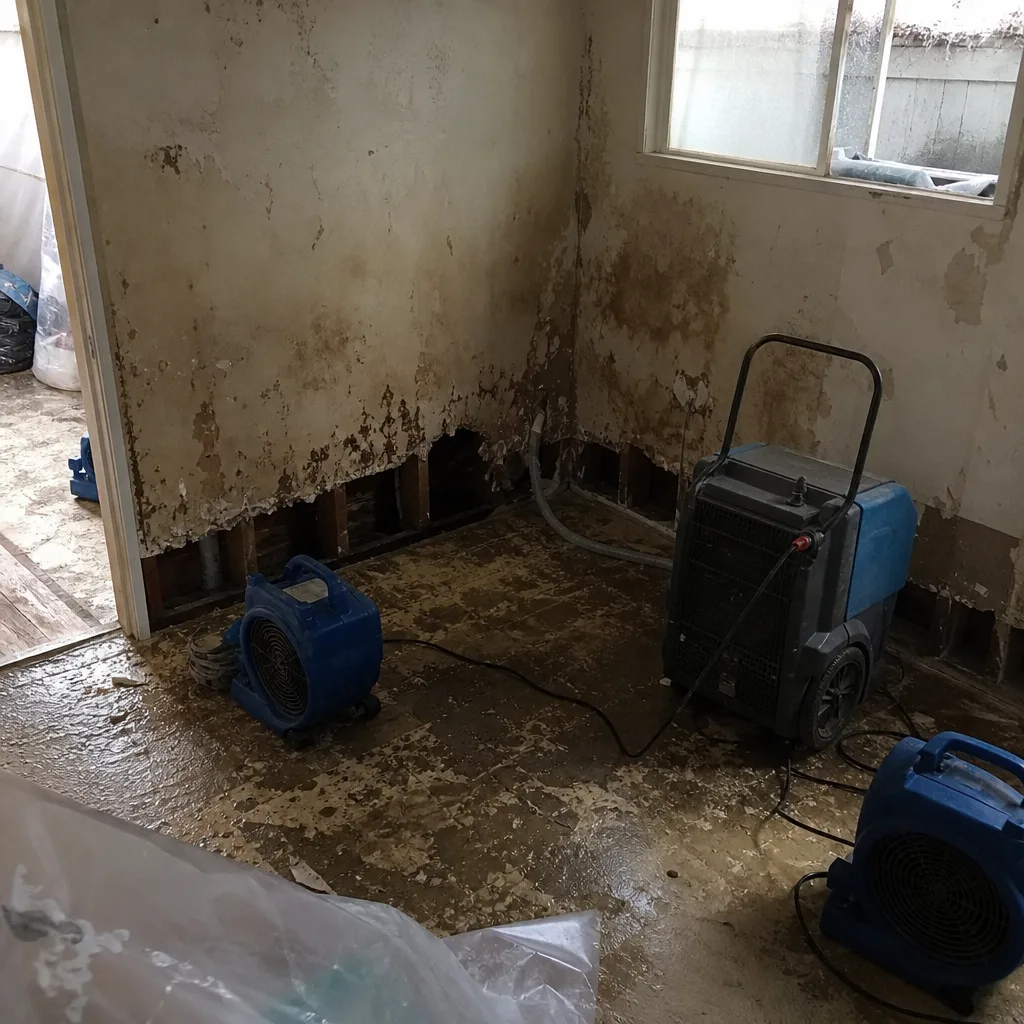 Before
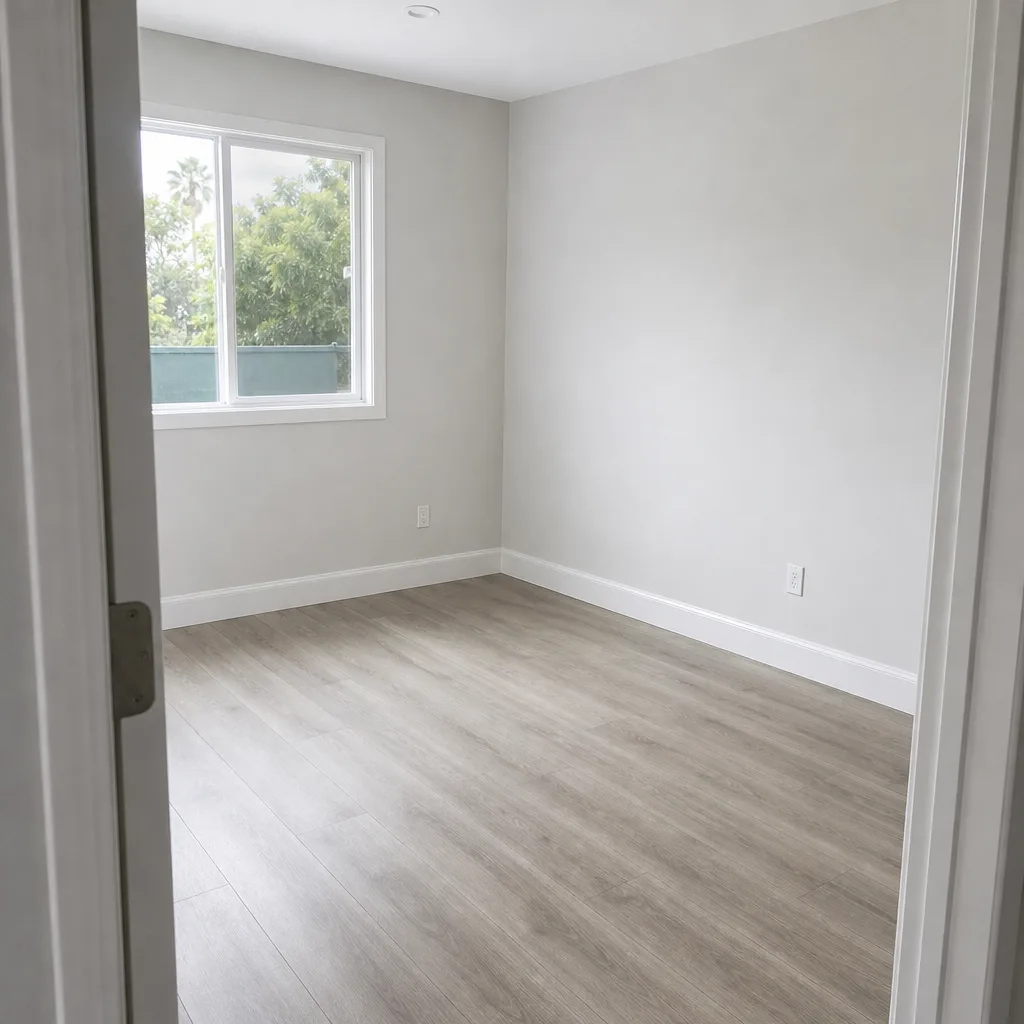 After
After