
Last updated October 16, 2026
 Water damage drying
 Fire & smoke cleanup
 Mold remediation
 Storm response
 Sewage cleanup
 Reconstruction
Free visual inspection and a written scope of work before any mitigation begins - photos, moisture readings, and drying logs go in your claim file
The scope we write is the scope we bill. Anything new gets shown to you, in writing, before we touch it.
Get your free estimateDamage Restoration Cost Breakdown: The Long Beach Homeowner’s Reference for 2026
The national average for water damage restoration sits around $3,300. In Long Beach, that number runs roughly 22% higher. Before you assume local contractors are simply charging more, consider this: our coastal humidity stretches drying time by three to five days compared to inland California, and every extra equipment-day costs money that most initial estimates conveniently leave out. This guide-along with our Damage Restoration Warning Signs: A Long Beach Homeowner’s Reference Guide-shows you exactly what those costs are, why they exist, and the four variables that determine whether your Long Beach restoration quote holds or quietly doubles by week two. You’ll learn what a real invoice looks like line by line, which charges to question, and how to protect yourself before anyone starts tearing out drywall.
Quick Answer
Water damage restoration in Long Beach typically costs between $4,000 and $9,000 for a standard residential water loss in 2026, with mold remediation adding $1,200 to $5,000 depending on square footage, and storm damage repairs ranging from $3,500 to $15,000. The final number depends on four variables: water category, drying duration (which coastal humidity extends), equipment count, and whether your contractor uses fixed-price or time-and-materials billing.
Restoration work we handle
Table of Contents
- Line-by-Line: A Real Long Beach Restoration Invoice
- Why Long Beach Drying Takes Longer (and Costs More)
- Fixed-Price vs. Time-and-Materials Contracts
- How Insurance Actually Calculates Your Restoration Costs
- Three Invoice Line Items to Question
- What You Can Safely Handle Yourself
- Common Mistakes to Avoid
- When to Call a Professional
Line-by-Line: A Real Long Beach Restoration Invoice
Most homeowners never see a restoration invoice broken down before they sign a work order. That’s a problem, because understanding the component costs is the only way to evaluate whether a Long Beach contractor’s quote is fair. Here’s what a typical mid-sized water loss invoice looks like in 2026, based on a 400-square-foot kitchen and living room affected by a burst supply line, Category 1 water (clean water from a broken pipe).
Typical 2026 Long Beach Residential Water Loss Invoice – 400 sq ft, Category 1
- Emergency response and dispatch: $150-$350 (flat fee, includes after-hours mobilization if applicable)
- Water extraction: $400-$800 (truck-mounted extraction unit, 2-3 hours on site)
- Containment setup: $200-$400 (plastic barriers to isolate affected area and prevent cross-contamination)
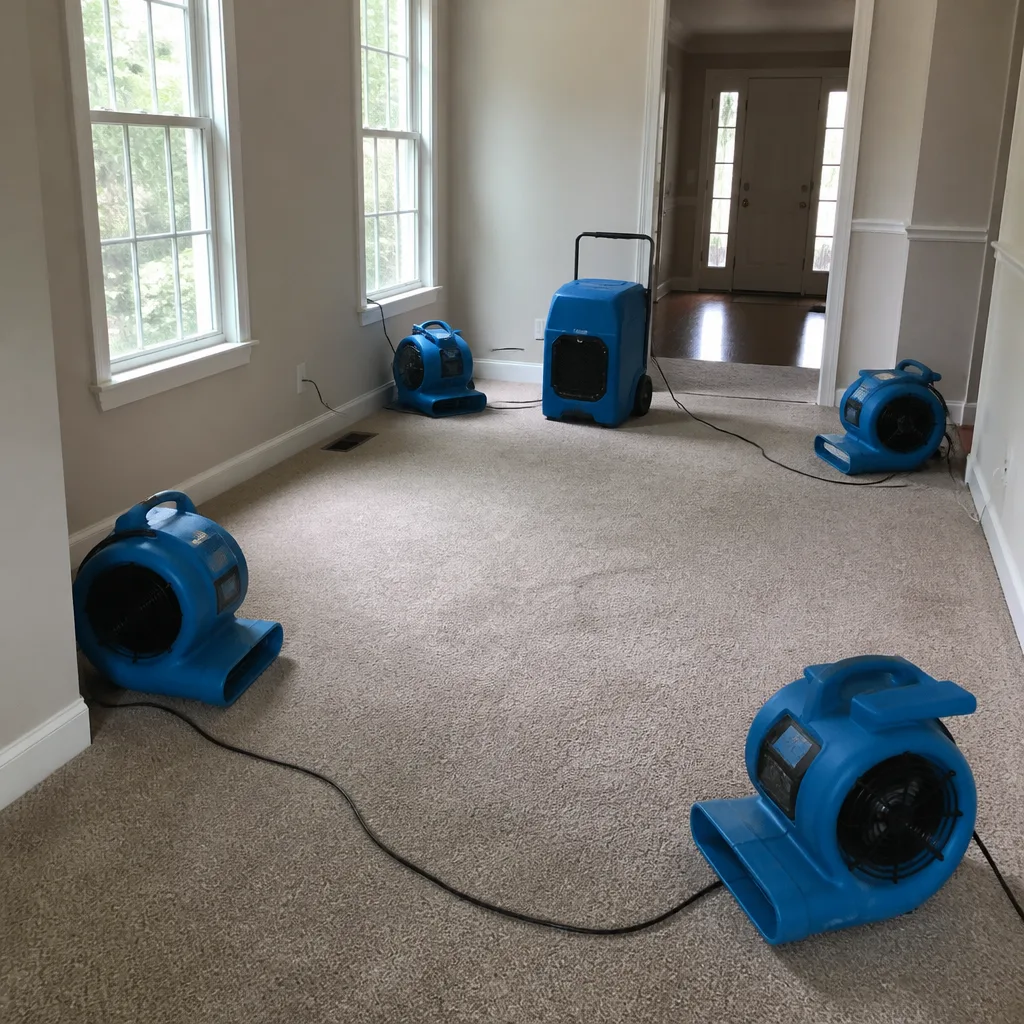
- Air mover rental: $25-$45 per unit, per day (a 400 sq ft loss needs 6-10 movers, running 4-7 days: $600-$3,150 total)
- Industrial dehumidifier rental: $125-$225 per unit, per day (this loss needs 1-2 units: $500-$3,150 total depending on drying duration)
- Moisture monitoring visits: $75-$150 per visit (typically 2-4 visits: $150-$600 total)
- Antimicrobial/anti-microbial treatment: $150-$400 (applied to affected surfaces to prevent mold growth during drying)
- Baseboard and trim removal: $3-$6 per linear foot (400 sq ft room typically has 80-100 linear feet: $240-$600)
- Drywall demolition and disposal: $2-$4 per square foot of affected area ($800-$1,600 for a full 400 sq ft removal)
- Rebuild/reconstruction: $4-$8 per square foot for drywall, texture, and paint ($1,600-$3,200 for 400 sq ft)
- Flooring removal and replacement: $3-$12 per square foot depending on material (hardwood costs more to demo but can sometimes be salvaged: $1,200-$4,800 for 400 sq ft)
Total realistic range for this scenario: $4,900 to $9,300. That’s the number most Long Beach homeowners should expect for a moderate kitchen water loss in 2026, before insurance depreciation is applied. If your quote comes in under $3,500 for this same scenario, someone is cutting corners somewhere, typically on equipment count or drying verification.
Why Long Beach Drying Takes Longer (and Costs More)
Long Beach sits in USDA Plant Hardiness Zone 10b, with an average annual relative humidity of 71%. Inland cities like Riverside or Ontario run closer to 45-55% ambient humidity year-round. Here’s why that matters for restoration costs: dehumidifiers must work harder and run longer to pull moisture out of structure materials when the surrounding air is already saturated. A wall cavity that dries in three days in Riverside may take six to eight days in Long Beach, particularly in neighborhoods like Naples, Belmont Shore, or the Peninsula where salt air and ocean proximity push humidity even higher.
Here’s the honest math on drying time and cost:
- Inland California baseline: 2-4 days of active drying for a Category 1 loss. Typical equipment package: 4-6 air movers, 1 dehumidifier.
- Long Beach coastal baseline: 5-8 days of active drying for the same Category 1 loss. Typical equipment package: 6-10 air movers, 1-2 dehumidifiers.
- Cost difference: roughly $900-$2,300 more in equipment rental days alone, depending on duration.
Before you accept any Long Beach restoration quote, ask this question: “What is your target drying time, and how many equipment days are we pricing?” A contractor who can’t answer that with a specific number of days and a specific air mover count may be sizing your job blind. You want to hear something like, “We’re targeting six days with eight air movers and two Dri-Eaz dehumidifiers.” If you hear, “We’ll dry it as long as it takes, we bill per day,” you’re looking at a time-and-materials scenario with no ceiling. We’ll get to that risk shortly.
Moisture readings matter here. The trade standard is to document starting moisture content of affected materials using a moisture meter, then take similar readings every 24-48 hours until materials reach their dry standard (typically 8-12% moisture content for wood in coastal climates). A contractor who doesn’t show you these readings or can’t explain how they determine “dry” is guessing. Our own Water Damage Restoration in Long Beach service includes photo-documented moisture readings at every visit, because you should see the drying curve, not take someone’s word for it.
Fixed-Price vs. Time-and-Materials Contracts
This is the single biggest financial decision in your restoration project, and most Long Beach homeowners don’t realize they have a choice. Here’s how each works and which one protects you.
Fixed-price contracts: You agree on a total cost before work begins. The contractor absorbs the risk of slower drying or unexpected complications. For a homeowner in Long Beach, where coastal humidity routinely extends drying time, a fixed-price contract is almost always the safer financial choice, provided the contractor has priced in realistic drying duration. The catch: fixed-price contracts tend to run higher upfront because the contractor is taking on risk. You’re paying for certainty.
Time-and-materials contracts: You pay for actual hours worked and materials used, billed at published rates. This feels transparent, but in a Long Beach coastal-humidity loss, it creates specific risk. If drying runs longer than estimated, every additional day adds cost. If more equipment is needed, that adds cost. If the adjuster takes three days to visit, that extends the timeline and adds cost. The financial risk shifts almost entirely to you.
Here’s when each makes sense:
- Choose fixed-price when: the loss is Category 1 or 2, the affected area is fully accessible, and the contractor has a documented drying plan with a specific day count. In Long Beach, this covers most burst pipe and appliance leak scenarios.
- Choose time-and-materials when: the loss is Category 3 (sewage or floodwater), hidden moisture is suspected behind multiple wall cavities, or demolition reveals additional damage that couldn’t be scoped upfront. Even then, insist on a written “not-to-exceed” cap before work starts.
- Never sign a time-and-materials contract without a not-to-exceed number. If your contractor won’t commit to a ceiling, that’s your signal to get another quote, regardless of how long you’ve been waiting.
If you’re not sure which contract structure you’re being offered, ask directly: “Is this a fixed price or am I paying by the day?” Every legitimate restoration contractor should answer that question without hesitation. If the answer is vague, walk.
How Insurance Actually Calculates Your Restoration Costs
Your insurance adjuster and your restoration contractor are looking at the same water damage through different lenses. Understanding how the adjuster thinks will help you understand what you’ll actually pay out of pocket.
Insurance companies classify water damage into three categories, and the category directly affects what gets covered and how much the payout will be:
- Category 1 – Clean water: from a broken supply line, sink overflow, or tub faucet. This is the easiest claim. Standard homeowners policies typically cover the full scope of restoration and repair, minus your deductible.
- Category 2 – Gray water: from a washing machine discharge, dishwasher overflow, or sump pump failure. Slightly contaminated, typically still covered under standard policies, but your adjuster may audit drying time more closely because the water carried detergents or organic matter.
- Category 3 – Black water: sewage backups, storm surge, or floodwater from outside. This is where coverage gets complicated. Standard homeowners policies often exclude flood damage entirely, unless you hold a separate flood policy through NFIP or a private carrier. Sewage backup may require a specific endorsement. If your Long Beach home took on Category 3 water, expect your adjuster to scrutinize every line item, and expect pushback on equipment rental duration.
Depreciation holdbacks: Most homeowners policies pay out restoration costs on an Actual Cash Value basis first, then release the depreciation once repairs are complete. Here’s how that works in practice: if your drywall has a 20-year useful life and it’s 10 years old, the adjuster may initially pay 50% of the replacement cost, then release the remaining 50% after you provide proof that the work was completed. That means you may need to front a portion of the rebuild cost and get reimbursed later. This catches many Long Beach homeowners off guard, especially in older neighborhoods like Bluff Heights or Rose Park where homes were built in the 1940s and 1950s and depreciation is substantial.
Supplement claims: A supplement is an additional claim filed by your restoration contractor after work begins, documenting damage that wasn’t visible during the initial inspection. This is legitimate and common. When a contractor pulls baseboards and finds water had wicked up behind the drywall into the insulation, that’s a supplement. When a contractor pulls flooring and finds subfloor rot, that’s a supplement. The key is that supplements should be documented with photos, moisture readings, and a scope change description before additional work proceeds. If your contractor is filing supplements without showing you documentation, that’s a red flag.
A restoration company that works directly with your adjuster and provides photo documentation at every stage makes this process significantly easier. Our team at Marsh Water Damage Long Beach home handles adjuster coordination on every project because we’ve seen too many homeowners get stuck in the middle of a claim they didn’t understand.
Three Invoice Line Items to Question
Restoration invoicing is not standardized. That means line items vary from company to company, and some of them deserve scrutiny. Here are three specific charges to review carefully before you sign off on payment, along with the language to use when disputing them.
1. “Equipment setup and breakdown fee” as a separate charge
Some contractors charge a flat $150-$400 fee for “equipment setup” in addition to daily rental rates. Setting up air movers and dehumidifiers is standard labor that should already be reflected in either your hourly labor rates or your initial scope charge. If you see this as a standalone line item, ask: “Can you show me where this setup labor is not already covered in the extraction and drying labor charges?” If the contractor can’t provide a coherent explanation, request it be removed or credited.
2. “Emergency service charge” on top of normal dispatch during business hours
A legitimate after-hours dispatch fee is common, usually $150-$350 for a 2am pipe burst. That’s reasonable and expected. But if you called at 10am on a Tuesday and your invoice includes an “emergency service charge,” that’s double-dipping on standard labor. The language to use: “I called during normal business hours. Can you explain what this emergency charge covers that standard dispatch doesn’t?” If the answer references “priority scheduling” or “expedited response,” that should have been disclosed before you agreed to the service.
3. “Antimicrobial fogging” for Category 1 water losses
Antimicrobial application is legitimate and necessary for Category 2 and Category 3 water losses, where the water carried contaminants. For Category 1 clean water losses, full-room fogging is often unnecessary. Surface treatment of affected areas is appropriate, but whole-home fogging of unaffected rooms is overselling. The language to use: “This was a clean water loss from a supply line. Can you explain why fogging was needed beyond the affected area?” If the contractor can’t provide a specific reason, ask for that portion of the charge to be removed. You are not voiding your restoration warranty by questioning an unnecessary line item. You are doing what any careful Long Beach homeowner should do.
What You Can Safely Handle Yourself
Not every water issue requires a full restoration crew. See our DIY vs Professional Damage Restoration: The Long Beach Homeowner’s Decision Guide for a practical breakdown of when to act on your own and when to call someone in Long Beach.
Potentially DIY:
- Small, contained spills (a tipped bucket, a minor sink overflow) that are cleaned up within 30 minutes and where water never reached drywall or flooring joints. If you can dry it with towels and a fan in under an hour, you’re fine.
- Visible condensation on windows or pipes. This is a humidity issue, not a water loss. Fix the source (ventilation, insulation) and you’re done.
- Documentation. Take photos of everything before any contractor arrives. Your insurance claim will go faster with timestamps and wide shots.
Call a professional immediately:
- Water has penetrated behind baseboards, under flooring, or into wall cavities. You cannot dry what you cannot see, and trapped moisture in Long Beach’s humidity becomes mold within 48-72 hours.
- The water source is a sewage line, sump pump, or any outside flooding. Category 3 water carries pathogens that require professional containment and disposal.
- The loss covers more than 100 square feet of flooring or more than one room. Professional extraction equipment moves 100-150 gallons per hour. A shop vac moves maybe 10.
- You see any signs of mold growth or smell musty odors. That’s a separate issue requiring Mold Remediation in Long Beach, not just drying.
Common Mistakes to Avoid
- Signing a time-and-materials contract with no cap. In Long Beach, where humidity extends drying time, this is the single most expensive mistake a homeowner can make. Always demand a not-to-exceed number in writing.
- Waiting to call because “it’s not that bad.” Water moves through drywall and under flooring fast. What looks like a small puddle at 8am is wicking into the wall cavity by noon. By day three in Long Beach’s climate, you likely have mold forming in the stud bays.
- Trusting a contractor who won’t show moisture readings. “Feels dry to the touch” is not a drying standard. The industry standard for structural wood in coastal climates is 8-12% moisture content, measured with a moisture meter. If your contractor isn’t showing you numbers, you’re paying for someone else’s guess.
- Turning off the equipment early to save money. Dehumidifiers and air movers seem like they’re running forever partially because they’re doing their job. Pulling equipment before materials hit dry standard means mold grows behind your new drywall, and now you’re paying for mold remediation plus another round of demolition. The equipment is cheaper than the remediation that follows cutting it short.
- Assuming your standard homeowners policy covers flooding. Most don’t. Flood insurance is separate. Long Beach sits at sea level with storm surge risk in neighborhoods like Belmont Shore, the Peninsula, and Alamitos Bay. If your loss came from outside water entering your home, check your policy language before assuming coverage.
- Not documenting everything before, during, and after. Your adjuster wasn’t there when the pipe burst. Photos, videos, and written timelines are your leverage. A restoration company that photo-documents every stage, from pre-existing conditions through final drying readings, is doing you a favor even if you never look at the photos.
When to Call a Professional
If water has entered wall cavities, soaked through flooring, or come from any source other than a clean supply line, you need professional equipment and professional judgment. The extraction units, industrial dehumidifiers, and moisture monitoring that a certified team brings cannot be matched by anything available at a hardware store. More importantly, a wrong guess about drying completion sets up a mold problem you won’t see until it’s already established. If you’re not sure whether your situation needs professional attention, call and ask. It costs nothing to find out. Marsh Water Damage Long Beach offers free estimates in Long Beach and the surrounding areas. Call (562) 999-7643 and a live person will answer, day or night.
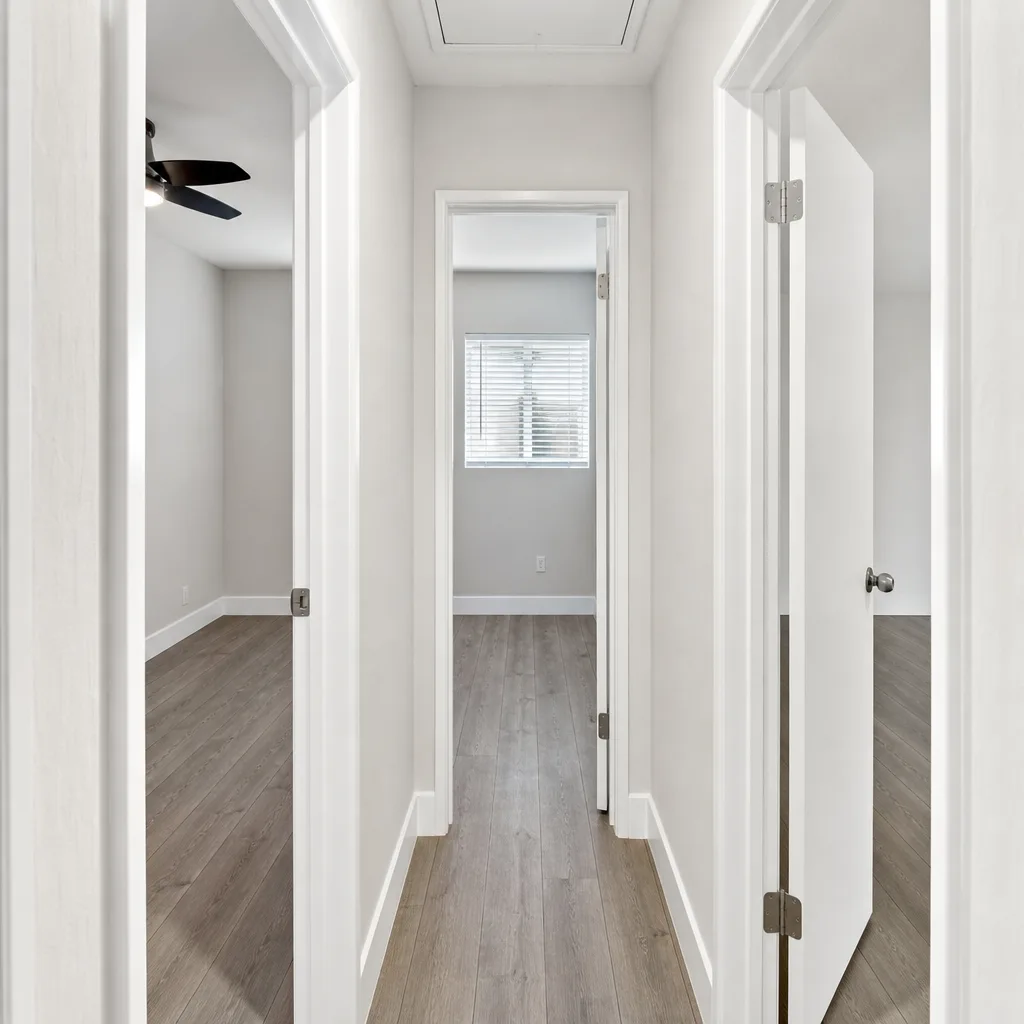
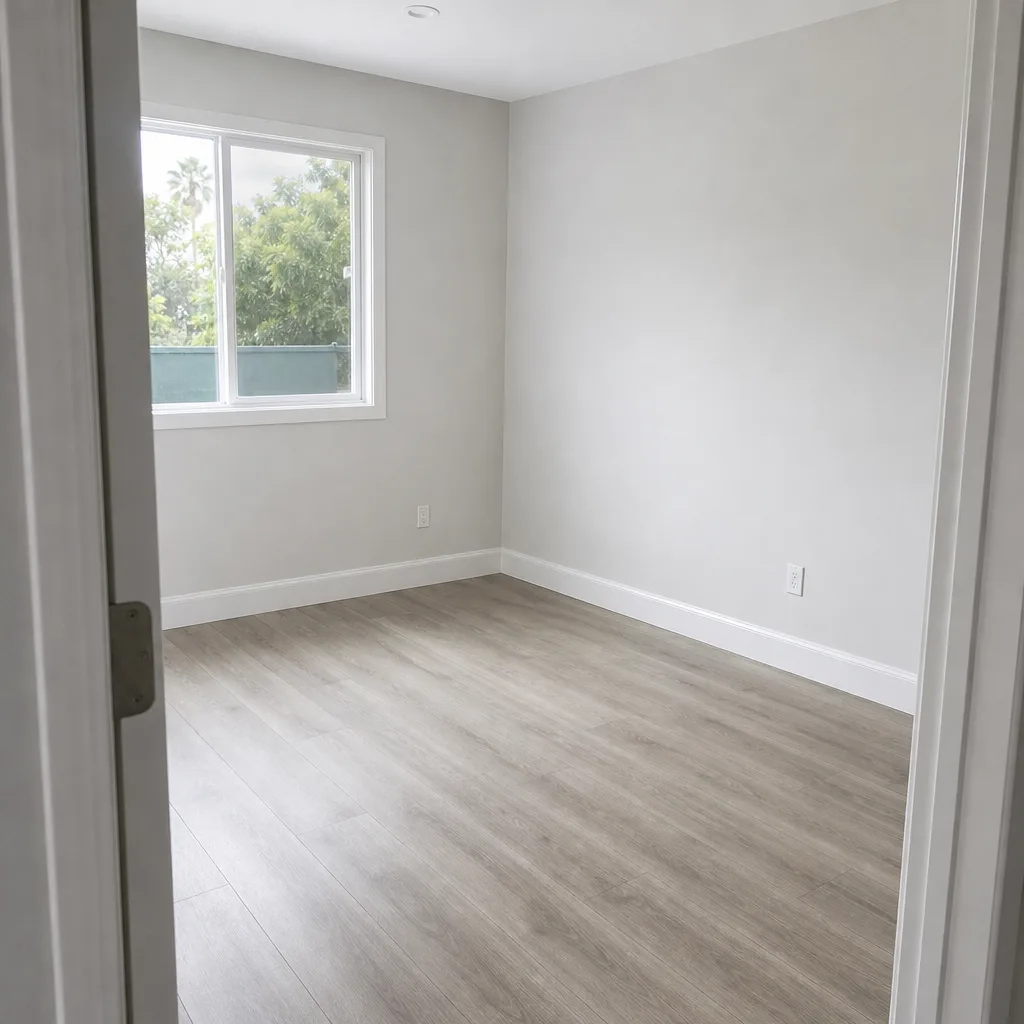
See the difference
 Before
 After
After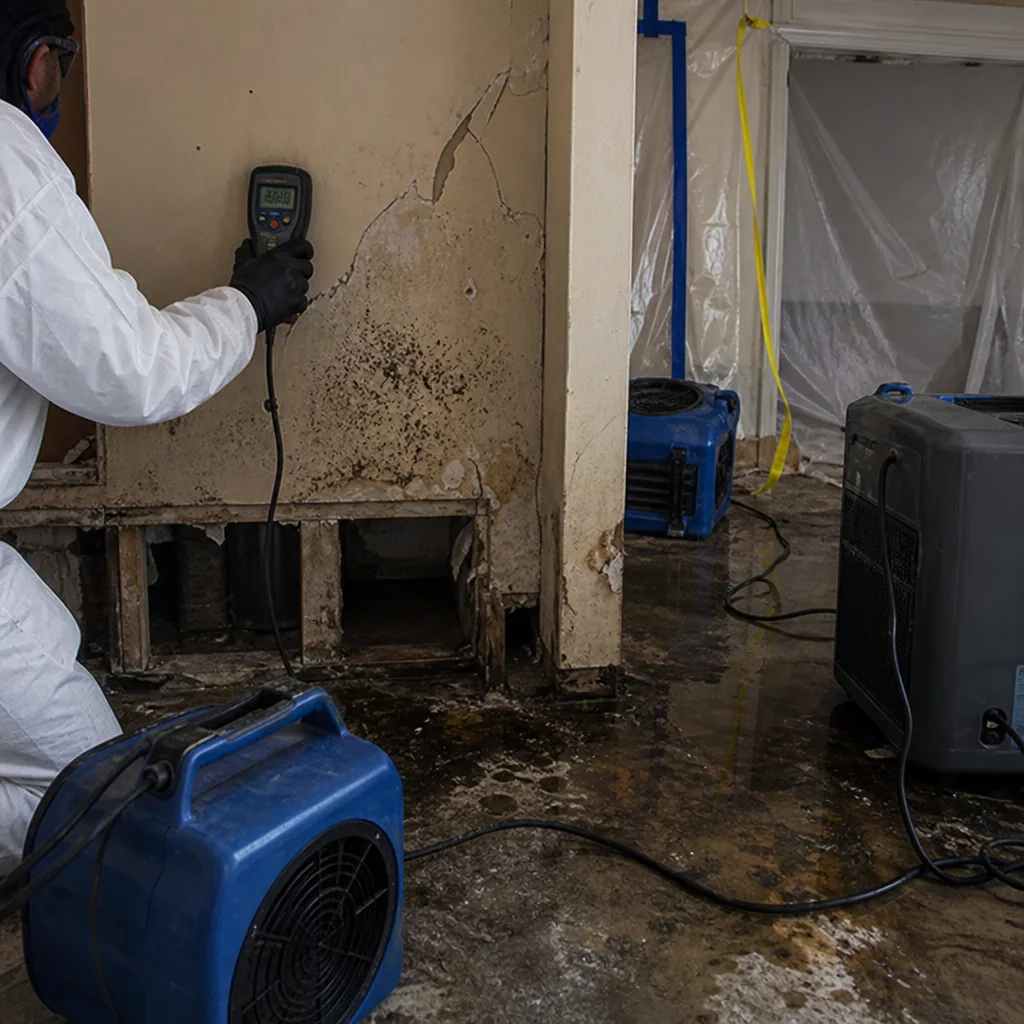 Before
 After
After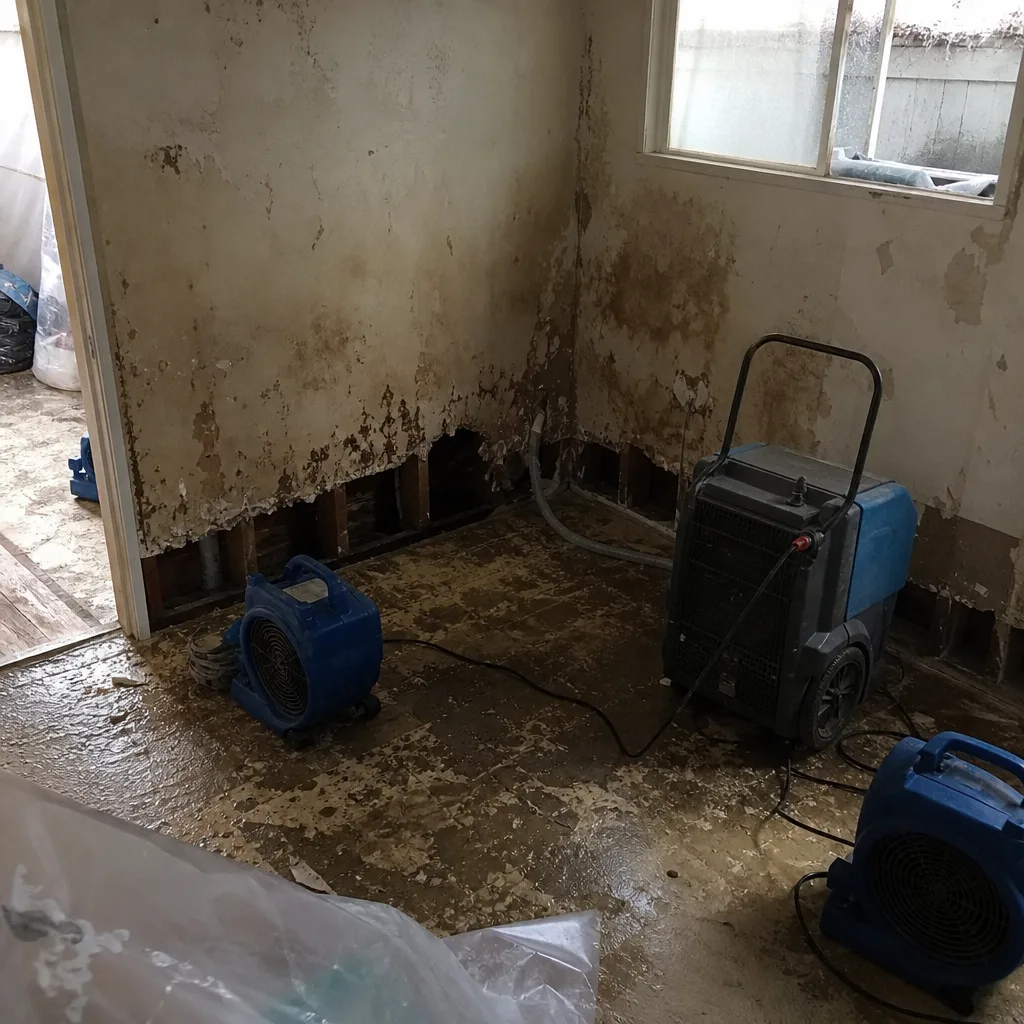 Before
 After
AfterFrequently Asked Questions
Most residential water damage restoration projects in Long Beach run between $4,000 and $9,000 for a standard Category 1 water loss of a few hundred square feet, with the final number driven primarily by drying duration, equipment count, and demolition scope. Call (562) 999-7643 for an exact quote. Estimates are free and each one includes a written scope before any work begins.
Standard homeowners policies cover sudden and accidental water damage from internal sources like burst pipes, supply line failures, and appliance overflows, subject to your deductible and depreciation schedule. Flood damage from storms or storm surge requires separate flood insurance, which many Long Beach homeowners in coastal neighborhoods don’t have. Your restoration contractor should coordinate directly with your adjuster and provide photo documentation at every stage to support your claim.
Expect 5 to 8 days for a typical Category 1 water loss in Long Beach, compared to 2 to 4 days in inland California cities. The difference is ambient humidity: Long Beach averages 71% relative humidity year-round, which slows evaporation from structural materials. Your contractor should provide you with a target drying day count and regular moisture readings showing progress toward dry standard.
Water damage restoration focuses on removing water, drying the structure, and preventing mold from forming, typically initiated within hours of the loss. Mold remediation addresses existing mold growth through containment, removal of affected materials, and treatment of surfaces, often after a water loss went unaddressed. In Long Beach, where humidity accelerates mold growth, the two services frequently overlap. Learn more about our Mold Remediation in Long Beach for cases where mold has already established.
Only for small, contained spills that never reached drywall, baseboards, or flooring joints and are fully cleaned within 30 minutes. Once water penetrates building materials, household equipment cannot achieve the airflow and dehumidification needed to dry those materials in a coastal-humidity climate like Long Beach’s. Incomplete drying leads to mold within 48-72 hours, and mold remediation costs far more than prompt professional drying.
Compare line items, not just bottom lines. Ask for the daily rate on dehumidifiers and air movers, the target drying day count, and whether moisture monitoring visits are included. A contractor who provides a written scope with specific equipment counts and a specific drying target is being transparent. A contractor who says “we’ll dry it as long as it takes” is setting you up for an open-ended bill in Long Beach’s humidity. Request a fixed-price contract or a not-to-exceed cap on any time-and-materials arrangement.
Storm damage restoration in Long Beach varies widely depending on whether the damage comes from wind-driven rain, roof leaks, or storm surge, with typical residential projects ranging from $3,500 for localized roof and drywall repairs to $15,000 or more for extensive flooding or structural damage. Coastal neighborhoods like Belmont Shore and Naples have higher exposure to storm surge, which requires Category 3 water protocols. See Storm Damage Restoration in Long Beach for a full breakdown of storm-specific costs and processes.
The Bottom Line
Long Beach homeowners pay more for water damage restoration than inland California homeowners, and the reason is measurable: ambient humidity extends drying time, and extended drying time extends equipment rental. The four variables that determine your final bill are water category, drying duration, equipment count, and contract structure. Understand those four things, demand a written scope with specific equipment counts and a drying target, and you’ll be in a position to evaluate any Long Beach restoration quote with confidence. For related reading, see our guide to Damage Restoration Permits, Codes & Inspections in CA: What You Need to Know. When you’re standing in water, the cheapest quote is rarely the one that protects you. The quote that protects you is the one with real numbers, real drying targets, and a real person who can explain both.
Written by Tobias Reyner, Owner at Marsh Water Damage Long Beach, serving Long Beach since 2005. Browse more guides & resources.